THE ADVENTURE COLLECTIVE® · Independent discovery and booking for outdoor travel

Walk the Runnymede Air Forces Memorial at your own pace with a GPS audio guide. Experience a compact, powerful memorial landscape that pairs panoramic Thames-valley views with detailed wartime histories.
Walk the Runnymede Air Forces Memorial at your own pace with a GPS audio guide. Experience a compact, powerful memorial landscape that pairs panoramic Thames-valley views with detailed wartime histories.
Stand on the broad stone terrace and the valley opens: Windsor to the west, the river Thames threading low and patient below. The Runnymede Air Forces Memorial rewards slow footsteps—clean lines of Portland stone, cloisters that split sunlight over long lists of names, and a quiet that asks you to listen.
Verified experiences and guided adventures in the surrounding area.
Operated by VoiceMap Audio Tours · Englefield Green, Surrey
Stand on the broad stone terrace and the valley opens: Windsor to the west, the river Thames threading low and patient below. The Runnymede Air Forces Memorial rewards slow footsteps—clean lines of Portland stone, cloisters that split sunlight over long lists of names, and a quiet that asks you to listen.
The memorial was designed by Sir Edward Maufe and unveiled in the early 1950s to commemorate the 20,455 airmen and women of the Commonwealth who have no known grave. Set on the Thames gravel terrace, the site’s simple geometry and carved capitals map a narrative of loss and service. Nearby Ankerwycke and the Magna Carta meadow anchor the place in a deeper historical landscape: a flat, river-shaped plain used and reshaped for centuries.
Culturally the memorial functions as both archive and outlook—inscriptions read like coordinates of story while the Visitor Room lets you trace names and units. Geologically the view owes its sweep to river gravels and the gentle slope down to the floodplain; the mood changes quickly with weather and light.
Practical guidance: allow 45–75 minutes for the self-guided audio path, bring headphones and offline maps, and wear supportive footwear for short gravel paths. The site is reachable by public transport from Windsor or Egham; expect open exposure—carry a waterproof layer and water. Photography is welcome, but observe quiet reflection zones. The tour’s GPS-driven app gives lifetime offline access so you can move at your own pace while learning the symbolism carved into the stone and the stories behind the names.
easy.
45–75 minutes.
Suitable for most fitness levels; requires short, gentle walks over gravel and paved paths
The audio-guided route is designed for 45–75 minutes, depending on how much time you spend at panels and in the Visitor Room.
There are paved routes and a Visitor Room, but some sections include gravel and slight changes in grade—contact local site information for the best access advice.
No admission fee is charged; the audio tour provides lifetime access via the app once booked.
Yes—the Visitor Room houses directories and the cloister panels are organized so you can locate names; use the audio app and on-site directories for research.
Designed by Sir Edward Maufe and unveiled in the early 1950s, the memorial commemorates Commonwealth aircrew lost in WWII who have no known grave.
The site is maintained to preserve its memorial lawns and stonework; visitors are asked to stick to paths, avoid litter, and treat the inscriptions and planting with respect.
VoiceMap Audio Tours operates guided outdoor trips and adventures with an emphasis on safety, stewardship, and memorable experiences.
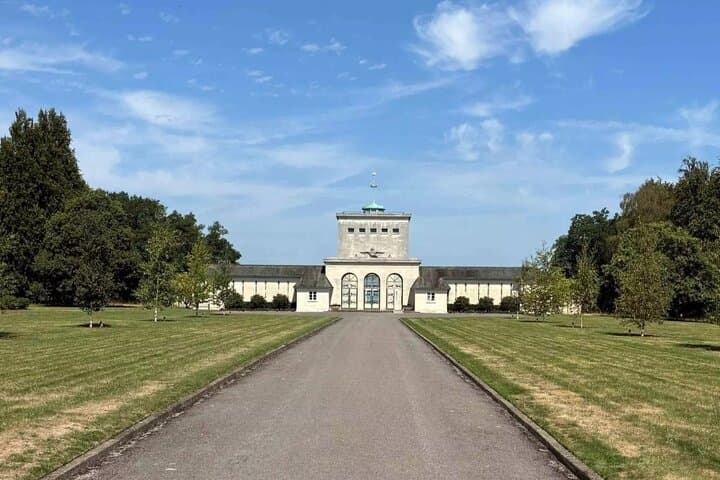
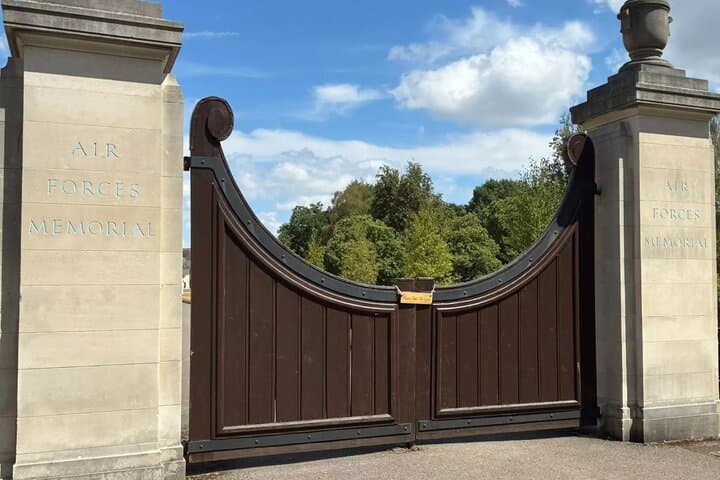
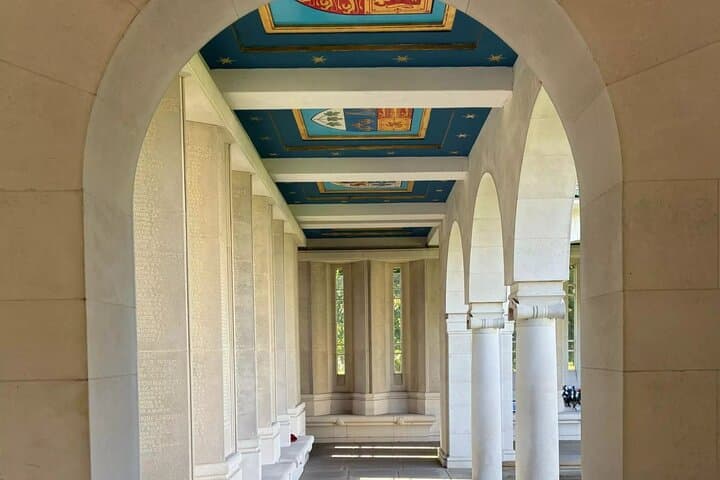
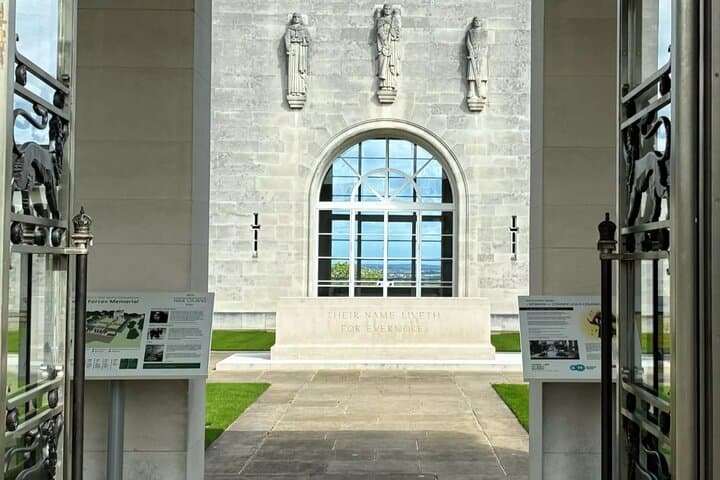
Stand on the broad stone terrace and the valley opens: Windsor to the west, the river Thames threading low and patient below. The Runnymede Air Forces Memorial rewards slow footsteps—clean lines of Portland stone, cloisters that split sunlight over long lists of names, and a quiet that asks you to listen.
Stand on the broad stone terrace and the valley opens: Windsor to the west, the river Thames threading low and patient below. The Runnymede Air Forces Memorial rewards slow footsteps—clean lines of Portland stone, cloisters that split sunlight over long lists of names, and a quiet that asks you to listen.
The memorial was designed by Sir Edward Maufe and unveiled in the early 1950s to commemorate the 20,455 airmen and women of the Commonwealth who have no known grave. Set on the Thames gravel terrace, the site’s simple geometry and carved capitals map a narrative of loss and service. Nearby Ankerwycke and the Magna Carta meadow anchor the place in a deeper historical landscape: a flat, river-shaped plain used and reshaped for centuries.
Culturally the memorial functions as both archive and outlook—inscriptions read like coordinates of story while the Visitor Room lets you trace names and units. Geologically the view owes its sweep to river gravels and the gentle slope down to the floodplain; the mood changes quickly with weather and light.
Practical guidance: allow 45–75 minutes for the self-guided audio path, bring headphones and offline maps, and wear supportive footwear for short gravel paths. The site is reachable by public transport from Windsor or Egham; expect open exposure—carry a waterproof layer and water. Photography is welcome, but observe quiet reflection zones. The tour’s GPS-driven app gives lifetime offline access so you can move at your own pace while learning the symbolism carved into the stone and the stories behind the names.