THE ADVENTURE COLLECTIVE® · Independent discovery and booking for outdoor travel

Explore Rundu on a private two-hour walking tour along the Okavango’s Namibian bank. This guided stroll threads markets, riverfront views and local eateries into a compact cultural introduction to Kavango-East.
Explore Rundu on a private two-hour walking tour along the Okavango’s Namibian bank. This guided stroll threads markets, riverfront views and local eateries into a compact cultural introduction to Kavango-East.
A humid wind from the Okavango nudges palms and tugs at market tarps as a small group steps off the shaded pavement into Rundu’s streets. The guide points out a weathered façade, then a hand-painted sign for smoked fish; the city opens as a compact, human-scale place where the river’s presence is audible more than visible.
Verified experiences and guided adventures in the surrounding area.
Operated by Opatrip.com Namibia · Rundu, Kavango East
A humid wind from the Okavango nudges palms and tugs at market tarps as a small group steps off the shaded pavement into Rundu’s streets. The guide points out a weathered façade, then a hand-painted sign for smoked fish; the city opens as a compact, human-scale place where the river’s presence is audible more than visible.
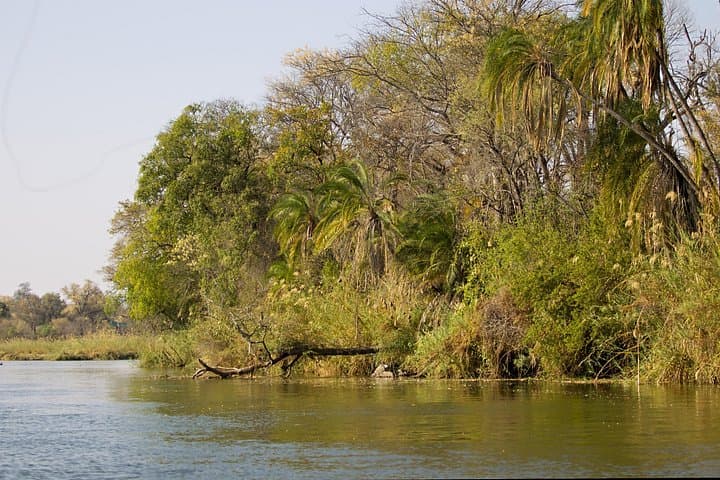
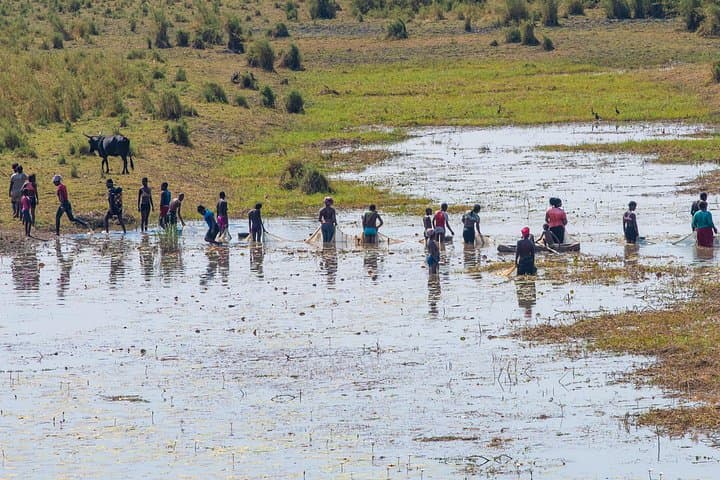
Rundu sits on the banks of the Okavango and serves as the regional hub for Kavango-East. Its soil and settlement patterns reflect a hot semi-arid climate and the slow, patient shaping of riverine terraces rather than dramatic geology. Colonial trading posts, mission stations and local Kavango communities all left marks on the built environment — low-rise concrete shops, simple markets and reed-and-thatch craft stalls. Food is a clear expression of place: mahangu porridge, roasted groundnuts and Okavango fish are common, often prepared at small family-run eateries.
On this private, two-hour walking tour visitors can expect a steady, easy-paced stroll through market lanes, riverfront viewpoints and residential corners, with frequent stops to hear local stories and sample dishes. Practical notes: carry at least 1 liter of water, wear closed-toe walking shoes for uneven sidewalks, and schedule walks in early morning or late afternoon to avoid peak heat. The guide will handle introductions and translate; tipping is discretionary but appreciated.
For travelers wanting a concentrated, culturally rich encounter with Rundu, the tour delivers local color, edible discoveries and an accessible pace that reveals the rhythms of life along one of southern Africa’s defiant rivers.
easy.
2 hours.
Suitable for most fitness levels; mostly flat urban walking with frequent stops.
Tours typically begin at a central meeting point in Rundu—confirm the exact pickup location with your booking and aim to arrive 10 minutes early.
Yes; the pace is easy with frequent stops, making it appropriate for families and older travelers who can walk short distances.
Yes; the guide often points out small restaurants and stalls serving mahangu-based dishes, groundnuts and Okavango fish—sampling is optional and at your expense.
Guides typically speak English and one or more local languages; check with the operator if you require a specific language.
Rundu developed as a riverine trading and mission hub; the Okavango’s seasonal pulse shaped settlement and local livelihoods.
Upstream water use and fishing pressure affect river health; support local guides and markets that practice sustainable fishing and waste reduction.
Opatrip.com Namibia operates guided outdoor trips and adventures with an emphasis on safety, stewardship, and memorable experiences.
A humid wind from the Okavango nudges palms and tugs at market tarps as a small group steps off the shaded pavement into Rundu’s streets. The guide points out a weathered façade, then a hand-painted sign for smoked fish; the city opens as a compact, human-scale place where the river’s presence is audible more than visible.
A humid wind from the Okavango nudges palms and tugs at market tarps as a small group steps off the shaded pavement into Rundu’s streets. The guide points out a weathered façade, then a hand-painted sign for smoked fish; the city opens as a compact, human-scale place where the river’s presence is audible more than visible.
Rundu sits on the banks of the Okavango and serves as the regional hub for Kavango-East. Its soil and settlement patterns reflect a hot semi-arid climate and the slow, patient shaping of riverine terraces rather than dramatic geology. Colonial trading posts, mission stations and local Kavango communities all left marks on the built environment — low-rise concrete shops, simple markets and reed-and-thatch craft stalls. Food is a clear expression of place: mahangu porridge, roasted groundnuts and Okavango fish are common, often prepared at small family-run eateries.
On this private, two-hour walking tour visitors can expect a steady, easy-paced stroll through market lanes, riverfront viewpoints and residential corners, with frequent stops to hear local stories and sample dishes. Practical notes: carry at least 1 liter of water, wear closed-toe walking shoes for uneven sidewalks, and schedule walks in early morning or late afternoon to avoid peak heat. The guide will handle introductions and translate; tipping is discretionary but appreciated.
For travelers wanting a concentrated, culturally rich encounter with Rundu, the tour delivers local color, edible discoveries and an accessible pace that reveals the rhythms of life along one of southern Africa’s defiant rivers.