THE ADVENTURE COLLECTIVE® · Independent discovery and booking for outdoor travel

Cover Lisbon’s most important viewpoints and neighborhoods by foot on a guided 1–2 hour running tour. Expect cobbles, short climbs, a pasteis de nata tasting, and stops at panoramic miradouros with historical context.
Cover Lisbon’s most important viewpoints and neighborhoods by foot on a guided 1–2 hour running tour. Expect cobbles, short climbs, a pasteis de nata tasting, and stops at panoramic miradouros with historical context.
The cobblestones click beneath your shoes as you move from the wide sweep of Praça do Comércio into the narrower, uphill alleys of Alfama. Morning light finds the Tagus bright and open; trams clatter, laundry flutters, and the guide sets a measured pace that keeps the group together while letting you drink in views from small miradouros.
Verified experiences and guided adventures in the surrounding area.
Operated by Run Tourism · Lisbon, Lisbon
The cobblestones click beneath your shoes as you move from the wide sweep of Praça do Comércio into the narrower, uphill alleys of Alfama. Morning light finds the Tagus bright and open; trams clatter, laundry flutters, and the guide sets a measured pace that keeps the group together while letting you drink in views from small miradouros.
Lisbon wears its history on its facades: Moorish street patterns in Alfama, the Manueline flourishes at the Jerónimos doorstep, and the grid of the Baixa rebuilt after the 1755 earthquake. Geologically the city rides a steep, river-cut slope onto the Atlantic plain—expect short, sharp climbs and stone steps rather than long steady gradients. Culturally you’ll pass cafés and pastelerias where pasteis de nata are a living tradition; the route often includes a tasting stop to punctuate the run.
Practically, this is a guided urban run designed for people with moderate fitness who want orientation and history without planning. Routes typically last 60–120 minutes and cover roughly 5–8 km depending on stops. Terrain is mixed: cobbles, pavement, stairs and occasional tram tracks—good traction matters. Hydration is provided but carry a small bottle if you prefer a personal rhythm. Run early for cooler temperatures and quieter streets; late afternoons can be crowded and warmer. Expect brief photo stops, a local snack, and commentary about Lisbon’s role in the Age of Discovery and its modern, lived-in neighborhoods.
This tour suits travelers who want active sightseeing: it’s efficient, social, and rooted in local context. Wear supportive shoes, plan for hills, and leave room in your day to explore neighborhoods the guide highlights after the run.
moderate.
1–2 hours.
You should have a moderate level of cardio fitness and be comfortable running short climbs and stairs.
Tours run 60–120 minutes and typically cover 5–8 km depending on the route and number of stops.
A moderate fitness level is recommended—participants should be comfortable running uphill and using stairs at a steady pace.
Start/finish is usually at a central meeting point near Praça do Comércio or a nearby landmark; exact location is confirmed at booking.
The tour usually includes bottled water, an isotonic drink and a pastel de nata tasting; personal preferences should be brought along if needed.
Lisbon’s compact historic core reflects medieval street patterns and a Baixa reconstruction after the 1755 earthquake; many viewpoints were strategic lookout points for the Age of Discovery.
Stick to paved routes and private property, avoid disturbing residential areas early in the morning, and carry out any waste to reduce impacts on busy urban neighborhoods.
Run Tourism operates guided outdoor trips and adventures with an emphasis on safety, stewardship, and memorable experiences.
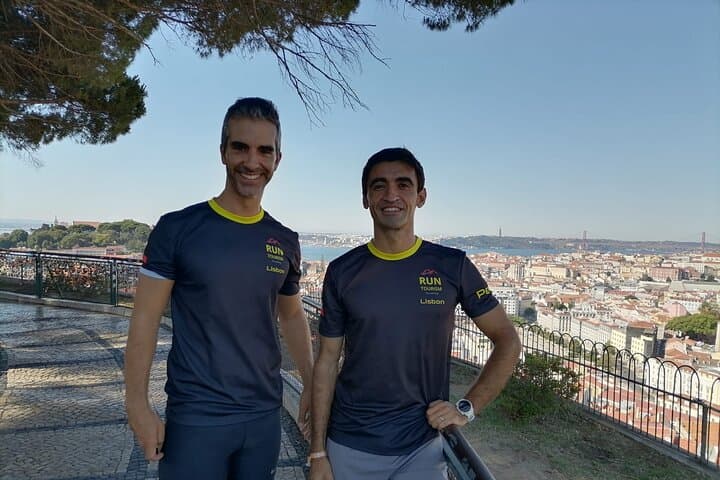
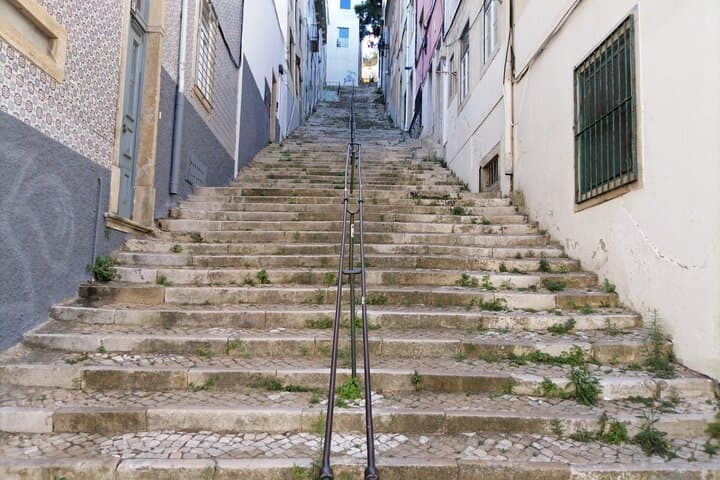
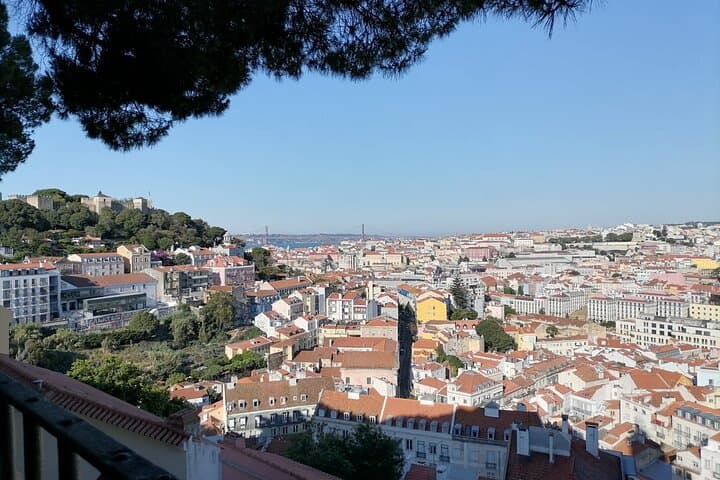
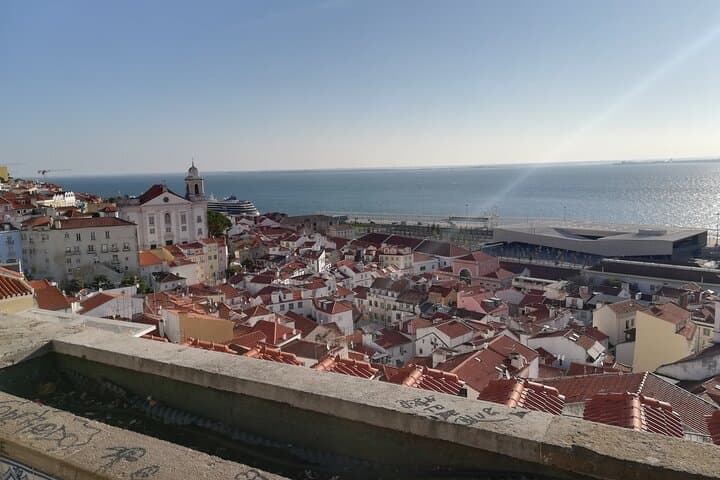
The cobblestones click beneath your shoes as you move from the wide sweep of Praça do Comércio into the narrower, uphill alleys of Alfama. Morning light finds the Tagus bright and open; trams clatter, laundry flutters, and the guide sets a measured pace that keeps the group together while letting you drink in views from small miradouros.
The cobblestones click beneath your shoes as you move from the wide sweep of Praça do Comércio into the narrower, uphill alleys of Alfama. Morning light finds the Tagus bright and open; trams clatter, laundry flutters, and the guide sets a measured pace that keeps the group together while letting you drink in views from small miradouros.
Lisbon wears its history on its facades: Moorish street patterns in Alfama, the Manueline flourishes at the Jerónimos doorstep, and the grid of the Baixa rebuilt after the 1755 earthquake. Geologically the city rides a steep, river-cut slope onto the Atlantic plain—expect short, sharp climbs and stone steps rather than long steady gradients. Culturally you’ll pass cafés and pastelerias where pasteis de nata are a living tradition; the route often includes a tasting stop to punctuate the run.
Practically, this is a guided urban run designed for people with moderate fitness who want orientation and history without planning. Routes typically last 60–120 minutes and cover roughly 5–8 km depending on stops. Terrain is mixed: cobbles, pavement, stairs and occasional tram tracks—good traction matters. Hydration is provided but carry a small bottle if you prefer a personal rhythm. Run early for cooler temperatures and quieter streets; late afternoons can be crowded and warmer. Expect brief photo stops, a local snack, and commentary about Lisbon’s role in the Age of Discovery and its modern, lived-in neighborhoods.
This tour suits travelers who want active sightseeing: it’s efficient, social, and rooted in local context. Wear supportive shoes, plan for hills, and leave room in your day to explore neighborhoods the guide highlights after the run.