THE ADVENTURE COLLECTIVE® · Independent discovery and booking for outdoor travel

Cover more ground than a walking tour and learn Centro’s layered history on the move. This guided running tour blends steady mileage with short historical stops through Rio’s downtown landmarks.
Cover more ground than a walking tour and learn Centro’s layered history on the move. This guided running tour blends steady mileage with short historical stops through Rio’s downtown landmarks.
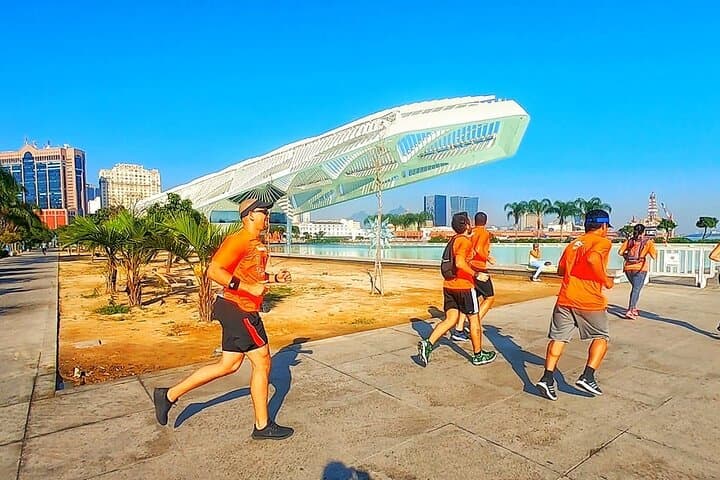
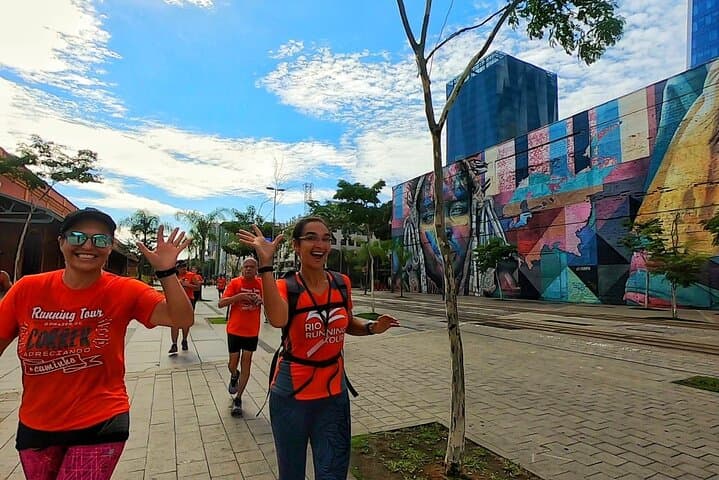
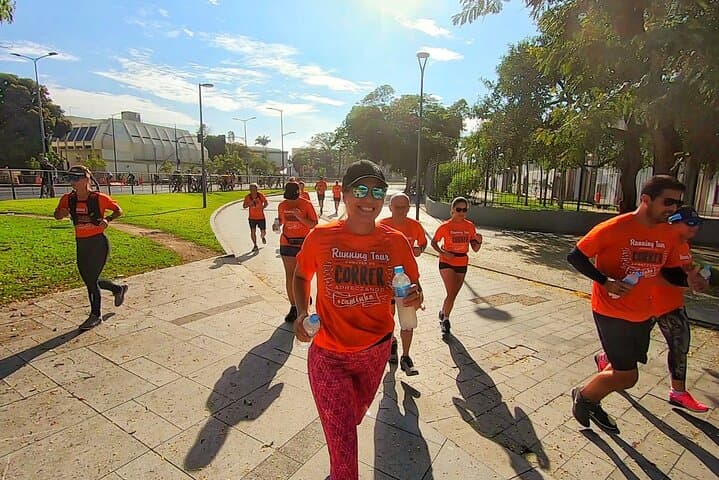
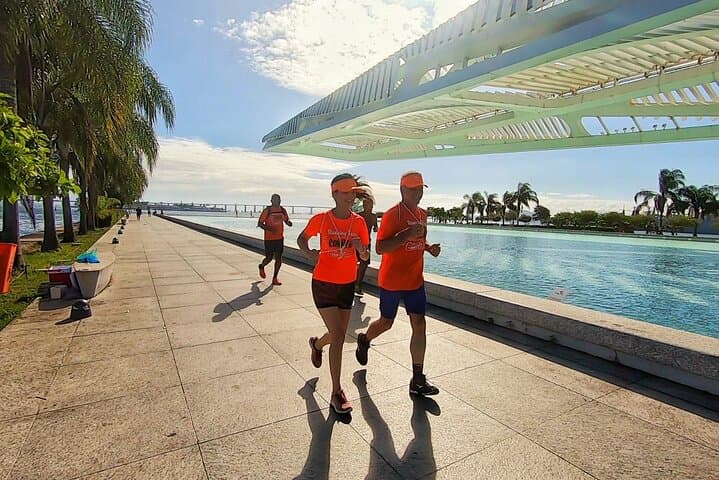
You step off the curb and the city rearranges itself into a running route: broad sidewalks, colonial facades, and the Atlantic breeze pushing you forward along Avenida Marechal Floriano.
Verified experiences and guided adventures in the surrounding area.
Operated by Rio Running Tour · Rio de Janeiro, Rio de Janeiro
You step off the curb and the city rearranges itself into a running route: broad sidewalks, colonial facades, and the Atlantic breeze pushing you forward along Avenida Marechal Floriano.
This guided run threads through Rio’s Centro — the old commercial heart born of Portuguese trade, 19th‑century coffee wealth and an architectural mix of Baroque churches and early skyscrapers. Runners pass landmarks that trace the city’s growth from a fortified colonial port to Brazil’s financial core: ornate theaters, austere banks, and mosaic sidewalks that mark a changing skyline.
The geology is city geology — granite outcrops and reclaimed waterfronts — but the sensory map is vivid: the clack of shoes on stone, the tang of salt air drifting from Guanabara Bay, and the occasional drizzle that cools the asphalt. Cultural notes come fast from the guide: the role of Praça Quinze in independence-era politics, the story behind Confeitaria Colombo’s mirrored walls, and how the port shaped Brazil’s immigrant communities.
Transitioning from narrative to practical: expect 1–2 hours of steady paced running on pavement with frequent stops for short historical talks. Moderate fitness is required; urban obstacles include uneven sidewalks and traffic lights. Bring a small, fast‑access water bottle, wear supportive road shoes, and time runs for early morning to avoid heat and crowds. The tour is private and guided, ideal for travelers who prefer moving history over a walking pace and want a more aerobic way to read Rio’s layered downtown streets.
moderate.
1–2 hours.
Good cardiovascular fitness for continuous running with frequent short stops; able to handle 5–8 km at conversational pace.
Meeting details are provided at booking, typically in a central plaza in Centro such as Praça Mauá or near the Municipal Theater; confirm exact pickup in advance.
The guide maintains a steady, conversational pace with short walking stops for commentary; it’s tailored to moderate fitness levels.
Guides choose well‑trafficked streets and use crossings to minimize risk, but runners should remain alert to vehicles and uneven sidewalks.
Beginners with basic jogging ability can join, but the tour is not recommended for those with serious spinal, heart, or pregnancy-related restrictions.
Centro grew around Rio’s colonial port; 19th‑century coffee profits and later financial expansion shaped its ornate theaters and bank buildings.
Many historic facades are under preservation efforts; visitors should avoid touching frescoes and help reduce litter to protect fragile urban heritage.
Rio Running Tour operates guided outdoor trips and adventures with an emphasis on safety, stewardship, and memorable experiences.
You step off the curb and the city rearranges itself into a running route: broad sidewalks, colonial facades, and the Atlantic breeze pushing you forward along Avenida Marechal Floriano.
You step off the curb and the city rearranges itself into a running route: broad sidewalks, colonial facades, and the Atlantic breeze pushing you forward along Avenida Marechal Floriano.
This guided run threads through Rio’s Centro — the old commercial heart born of Portuguese trade, 19th‑century coffee wealth and an architectural mix of Baroque churches and early skyscrapers. Runners pass landmarks that trace the city’s growth from a fortified colonial port to Brazil’s financial core: ornate theaters, austere banks, and mosaic sidewalks that mark a changing skyline.
The geology is city geology — granite outcrops and reclaimed waterfronts — but the sensory map is vivid: the clack of shoes on stone, the tang of salt air drifting from Guanabara Bay, and the occasional drizzle that cools the asphalt. Cultural notes come fast from the guide: the role of Praça Quinze in independence-era politics, the story behind Confeitaria Colombo’s mirrored walls, and how the port shaped Brazil’s immigrant communities.
Transitioning from narrative to practical: expect 1–2 hours of steady paced running on pavement with frequent stops for short historical talks. Moderate fitness is required; urban obstacles include uneven sidewalks and traffic lights. Bring a small, fast‑access water bottle, wear supportive road shoes, and time runs for early morning to avoid heat and crowds. The tour is private and guided, ideal for travelers who prefer moving history over a walking pace and want a more aerobic way to read Rio’s layered downtown streets.