THE ADVENTURE COLLECTIVE® · Independent discovery and booking for outdoor travel

Cycle from Ruifang to Houtong along an old mining road that follows the railway, passing coal-era relics and the village’s famous cats. This 2–3 hour ride mixes gentle climbs, coastal breeze, and guided local history.
Cycle from Ruifang to Houtong along an old mining road that follows the railway, passing coal-era relics and the village’s famous cats. This 2–3 hour ride mixes gentle climbs, coastal breeze, and guided local history.
Morning light slices across corrugated roofs as you clip into a rented bike in Ruifang and follow the old railway toward Houtong. The track runs close enough to hear distant whistles; terraces and concrete platforms mark where miners once moved coal and people. Cats weave between stone steps and alleys, daring you to slow down.
Verified experiences and guided adventures in the surrounding area.
Operated by Stunning Taiwan · Ruifang, New Taipei City
Morning light slices across corrugated roofs as you clip into a rented bike in Ruifang and follow the old railway toward Houtong. The track runs close enough to hear distant whistles; terraces and concrete platforms mark where miners once moved coal and people. Cats weave between stone steps and alleys, daring you to slow down.
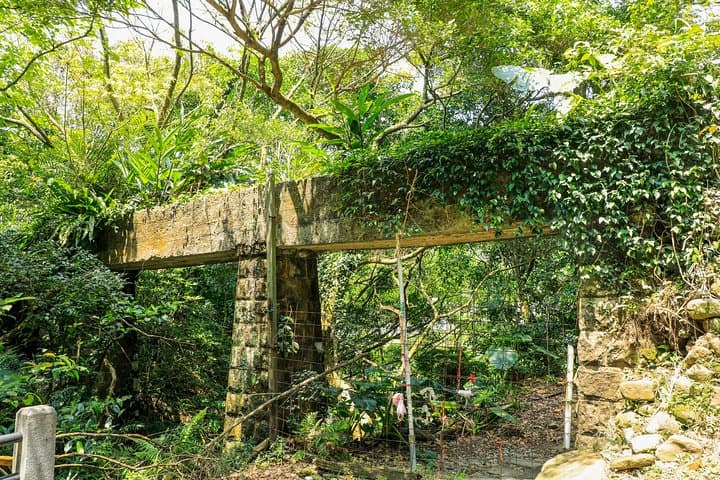
This short route threads mining-era infrastructure, Japanese-period rail works, and river-cut valleys. The geology here is sedimentary and volcanic—soft shale and tuff sculpted by rivers and coastal weather—so slopes are gentle but occasionally steep where roads climb past switchbacks into small ridgelines. Houtong’s recent fame comes from its feral-cat community, but the village’s bones are coal: shafts, processing platforms and a station that kept the town alive through the 20th century.
Locals still tell mining stories at small teahouses; you’ll pass memorial plaques and rusted winches repurposed as public art. The guide will point out where trains once loaded wagons and where river channels were redirected for mining works.
Practical side: expect 2–3 hours total including stops, roughly 8–12 km of mixed paved road and compacted rail-adjacent paths, and minimal elevation gain aside from short climbs. Wear a helmet, carry water, and plan for sun or sudden showers—the microclimate can change fast near the coast.
Timing matters: early morning or late afternoon light is best for photos and quieter streets. Respect private property, avoid feeding wildlife, and bring small change for snacks and the train ticket included with most local tours.
moderate.
2–3 hours.
Good for riders with moderate fitness—short climbs and repeated stops require steady pedaling and balance
Tours run about 2–3 hours total including stops; expect 8–12 km of riding depending on detours and exploration.
Riders with basic cycling skills and moderate fitness will be fine; guides keep pace and point out trickier sections.
Yes—most operators include bicycle rental and a guide; confirm bike size and condition when booking.
Yes—local trains serve both Ruifang and Houtong; many tours include a train ticket for return transit.
Houtong grew as a coal-mining town during Japanese rule and the mid-20th century; many surviving structures are relics of that industrial era.
The village balances tourism and preservation—avoid entering abandoned mine shafts, follow posted signs, and pack out trash to protect fragile sites.
Stunning Taiwan operates guided outdoor trips and adventures with an emphasis on safety, stewardship, and memorable experiences.
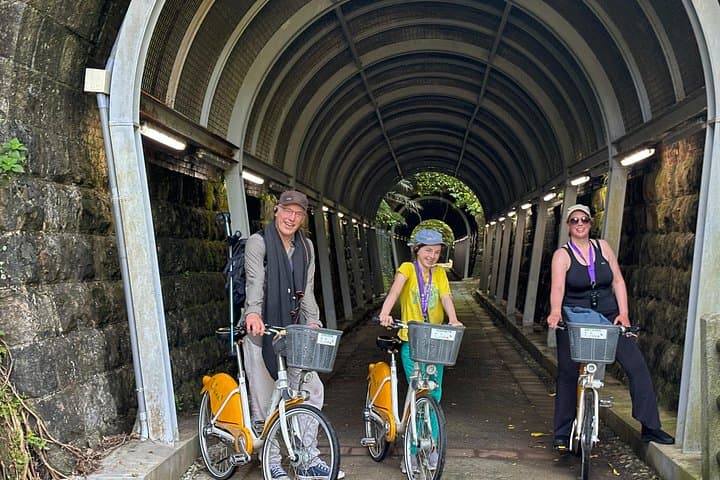
Morning light slices across corrugated roofs as you clip into a rented bike in Ruifang and follow the old railway toward Houtong. The track runs close enough to hear distant whistles; terraces and concrete platforms mark where miners once moved coal and people. Cats weave between stone steps and alleys, daring you to slow down.
Morning light slices across corrugated roofs as you clip into a rented bike in Ruifang and follow the old railway toward Houtong. The track runs close enough to hear distant whistles; terraces and concrete platforms mark where miners once moved coal and people. Cats weave between stone steps and alleys, daring you to slow down.
This short route threads mining-era infrastructure, Japanese-period rail works, and river-cut valleys. The geology here is sedimentary and volcanic—soft shale and tuff sculpted by rivers and coastal weather—so slopes are gentle but occasionally steep where roads climb past switchbacks into small ridgelines. Houtong’s recent fame comes from its feral-cat community, but the village’s bones are coal: shafts, processing platforms and a station that kept the town alive through the 20th century.
Locals still tell mining stories at small teahouses; you’ll pass memorial plaques and rusted winches repurposed as public art. The guide will point out where trains once loaded wagons and where river channels were redirected for mining works.
Practical side: expect 2–3 hours total including stops, roughly 8–12 km of mixed paved road and compacted rail-adjacent paths, and minimal elevation gain aside from short climbs. Wear a helmet, carry water, and plan for sun or sudden showers—the microclimate can change fast near the coast.
Timing matters: early morning or late afternoon light is best for photos and quieter streets. Respect private property, avoid feeding wildlife, and bring small change for snacks and the train ticket included with most local tours.