THE ADVENTURE COLLECTIVE® · Independent discovery and booking for outdoor travel

Spend two hours learning porcelain-painting techniques from a former Royal Worcester factory artist in an intimate museum studio. The session pairs practical instruction with historic context and tea served on original Royal Worcester china.
Spend two hours learning porcelain-painting techniques from a former Royal Worcester factory artist in an intimate museum studio. The session pairs practical instruction with historic context and tea served on original Royal Worcester china.
A morning at the Royal Worcester Museum begins in a sunlit studio where porcelain waits like blank pages. Participants settle around a table scattered with brushes and pigments; the instructor, a former factory artist, talks quietly as steam rises from fresh tea and a slice of cake rests on bone-white china.
Verified experiences and guided adventures in the surrounding area.
Operated by Museum of Royal Worcester · Worcester, Worcestershire
A morning at the Royal Worcester Museum begins in a sunlit studio where porcelain waits like blank pages. Participants settle around a table scattered with brushes and pigments; the instructor, a former factory artist, talks quietly as steam rises from fresh tea and a slice of cake rests on bone-white china.
Worcester’s ceramic story goes back to the mid-18th century when local manufacturers began firing soft-paste porcelain that would become Royal Worcester. The city’s position on the River Severn supplied transport and local clays that helped turn small workshops into an internationally known factory. The museum houses factory records, patterns and historic pieces that place the two-hour workshop in a larger industrial and cultural context.
In practical terms the session is hands-on and beginner-friendly: guests learn brush control, glazing basics and composition as they paint an English scene on a plate or canvas. The pace is relaxed but focused—technique demonstrations alternate with time to work and individual feedback. With groups capped at eight, the setting feels intimate and personal, and stories about factory life give projects a sense of place.
Plan for a short arrival window for check-in, and allow extra time to browse the exhibits afterward. Comfortable clothes that tolerate a splash of paint, steady hands and curiosity are all that’s required. Whether someone is painting for the first time or refining a skill, this workshop is a practical, tactile way to take home a custom piece of Worcester’s heritage.
easy.
2 hours.
Suitable for all physical fitness levels; requires only seated fine-motor activity
No — the workshop is designed for all skill levels and the instructor provides step-by-step guidance.
Yes — the museum and workshop spaces are wheelchair accessible and staff can assist on arrival.
Some projects may be left to dry and returned to the workshop for firing depending on materials; confirm with the provider at booking.
Yes — freshly brewed tea or coffee and cake served on Royal Worcester porcelain are included in the experience.
Royal Worcester porcelain production began in the mid-18th century and the museum preserves examples and documents from the factory’s centuries-long output.
The museum practices object conservation and careful handling—visitors are asked to respect display protocols and avoid flash photography where indicated.
Museum of Royal Worcester operates guided outdoor trips and adventures with an emphasis on safety, stewardship, and memorable experiences.
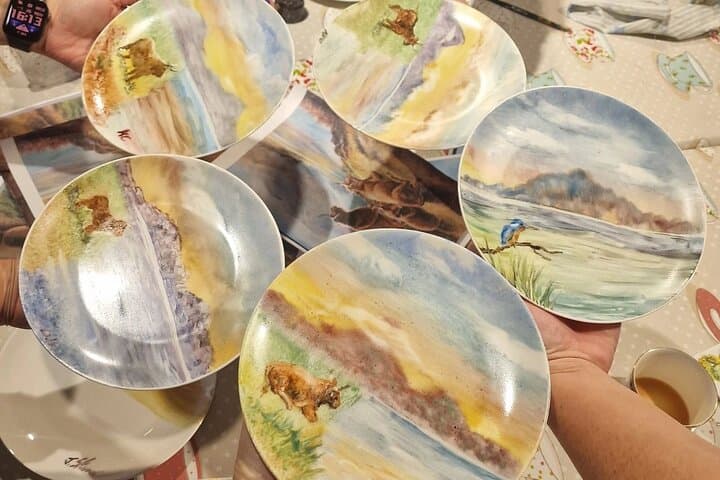


A morning at the Royal Worcester Museum begins in a sunlit studio where porcelain waits like blank pages. Participants settle around a table scattered with brushes and pigments; the instructor, a former factory artist, talks quietly as steam rises from fresh tea and a slice of cake rests on bone-white china.
A morning at the Royal Worcester Museum begins in a sunlit studio where porcelain waits like blank pages. Participants settle around a table scattered with brushes and pigments; the instructor, a former factory artist, talks quietly as steam rises from fresh tea and a slice of cake rests on bone-white china.
Worcester’s ceramic story goes back to the mid-18th century when local manufacturers began firing soft-paste porcelain that would become Royal Worcester. The city’s position on the River Severn supplied transport and local clays that helped turn small workshops into an internationally known factory. The museum houses factory records, patterns and historic pieces that place the two-hour workshop in a larger industrial and cultural context.
In practical terms the session is hands-on and beginner-friendly: guests learn brush control, glazing basics and composition as they paint an English scene on a plate or canvas. The pace is relaxed but focused—technique demonstrations alternate with time to work and individual feedback. With groups capped at eight, the setting feels intimate and personal, and stories about factory life give projects a sense of place.
Plan for a short arrival window for check-in, and allow extra time to browse the exhibits afterward. Comfortable clothes that tolerate a splash of paint, steady hands and curiosity are all that’s required. Whether someone is painting for the first time or refining a skill, this workshop is a practical, tactile way to take home a custom piece of Worcester’s heritage.