THE ADVENTURE COLLECTIVE® · Independent discovery and booking for outdoor travel

Explore a compact but rich walking tour that connects Stirling’s royal past with the real Macbeth, Edward I’s campaigns, and the remains of a medieval hunting lodge. Expect accessible paths, a knowledgeable guide, and layered stories told against a windswept hilltop skyline.
Explore a compact but rich walking tour that connects Stirling’s royal past with the real Macbeth, Edward I’s campaigns, and the remains of a medieval hunting lodge. Expect accessible paths, a knowledgeable guide, and layered stories told against a windswept hilltop skyline.
A cool breeze cuts across the low hill as the group gathers at the base, stone steps creaking underfoot and a monument outlined against a pale Scottish sky. The Royal West End Tour moves deliberately uphill—an accessible walk that places visitors at the junction of power, story, and landscape where royal men once hunted, ruled, and rewrote the map.
Verified experiences and guided adventures in the surrounding area.
Operated by Elgin Ghost Tours · Stirling, Scotland
A cool breeze cuts across the low hill as the group gathers at the base, stone steps creaking underfoot and a monument outlined against a pale Scottish sky. The Royal West End Tour moves deliberately uphill—an accessible walk that places visitors at the junction of power, story, and landscape where royal men once hunted, ruled, and rewrote the map.
This compact route highlights layers of history: the real Macbeth—an 11th-century Scottish king whose recorded deeds are quieter than Shakespeare’s drama; Longshanks (Edward I), whose campaigns left a mark on Scottish fortifications; and the remains of a royal hunting lodge and nearby chapel that speak to medieval court life. Geologically, the hill is a glacial remnant—hard volcanic and sedimentary outcrops that give short, sharp rises and broad views back toward the city.
Culturally, the walk is part urban history and part landscape encounter: locals will point to monuments and masonry that register political change, while the trees and wind seem to hold the stories between stones. Guides clarify myth from record and interpret small features—carved stones, foundations, and a sculpture whose symbolism anchors modern memory.
Practical guidance: plan for 1–2 hours; wear sturdy shoes for uneven paths, bring a waterproof layer, and allow extra time for photos and questions. The tour is wheelchair and stroller accessible on prepared surfaces, but wet weather can make sloped sections slick. Mid-morning or late afternoon visits dodge peak crowds and give the best light for views back across the valley.
easy.
1–2 hours.
Suitable for most fitness levels; includes short uphill stretches but is accessible on prepared paths.
The tour runs approximately 1–2 hours with stops to discuss monuments, buildings, and the hillside views.
Yes—the route is described as wheelchair and stroller accessible on prepared surfaces; confirm with the operator for specific needs.
Yes—guides contrast the historical Macbeth with the Shakespearean character and explain local connections to the real figure.
Full refunds are available if you cancel at least 24 hours before the scheduled departure time, per the operator’s standard policy.
The walk ties to medieval royal activity in the region—hunting lodges served as seasonal retreats for nobility, while 13th-century campaigns by Edward I affected many Scottish strongholds.
Visitors are asked to stick to paths and avoid climbing on ruins to protect fragile masonry; local trusts manage interpretation and care for the site.
Elgin Ghost Tours operates guided outdoor trips and adventures with an emphasis on safety, stewardship, and memorable experiences.

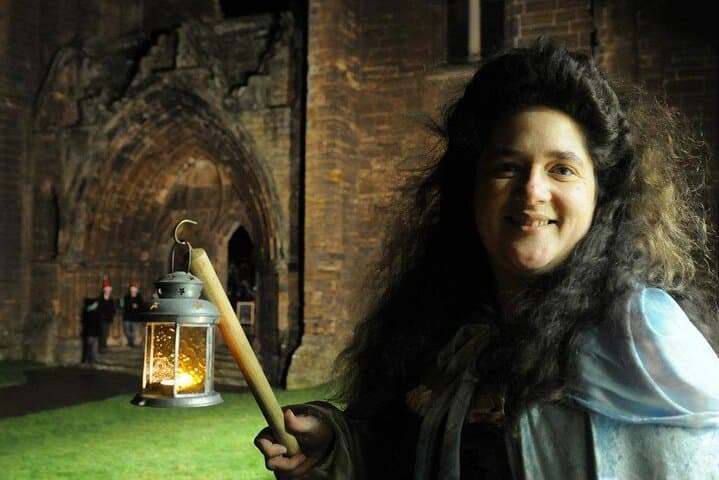
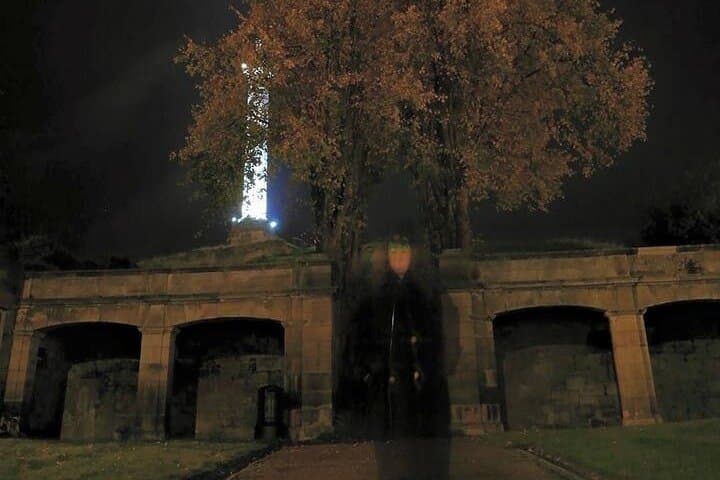
A cool breeze cuts across the low hill as the group gathers at the base, stone steps creaking underfoot and a monument outlined against a pale Scottish sky. The Royal West End Tour moves deliberately uphill—an accessible walk that places visitors at the junction of power, story, and landscape where royal men once hunted, ruled, and rewrote the map.
A cool breeze cuts across the low hill as the group gathers at the base, stone steps creaking underfoot and a monument outlined against a pale Scottish sky. The Royal West End Tour moves deliberately uphill—an accessible walk that places visitors at the junction of power, story, and landscape where royal men once hunted, ruled, and rewrote the map.
This compact route highlights layers of history: the real Macbeth—an 11th-century Scottish king whose recorded deeds are quieter than Shakespeare’s drama; Longshanks (Edward I), whose campaigns left a mark on Scottish fortifications; and the remains of a royal hunting lodge and nearby chapel that speak to medieval court life. Geologically, the hill is a glacial remnant—hard volcanic and sedimentary outcrops that give short, sharp rises and broad views back toward the city.
Culturally, the walk is part urban history and part landscape encounter: locals will point to monuments and masonry that register political change, while the trees and wind seem to hold the stories between stones. Guides clarify myth from record and interpret small features—carved stones, foundations, and a sculpture whose symbolism anchors modern memory.
Practical guidance: plan for 1–2 hours; wear sturdy shoes for uneven paths, bring a waterproof layer, and allow extra time for photos and questions. The tour is wheelchair and stroller accessible on prepared surfaces, but wet weather can make sloped sections slick. Mid-morning or late afternoon visits dodge peak crowds and give the best light for views back across the valley.