THE ADVENTURE COLLECTIVE® · Independent discovery and booking for outdoor travel

A gentle, culturally rich trek from Pokhara that delivers Himalayan panoramas without high-altitude strain. Walk terraced fields, rhododendron forests and ridge viewpoints across five relaxed days of trekking.
A gentle, culturally rich trek from Pokhara that delivers Himalayan panoramas without high-altitude strain. Walk terraced fields, rhododendron forests and ridge viewpoints across five relaxed days of trekking.
Dawn breaks over Phewa Lake and the first light slices the Annapurna skyline into pale gold; the city noise of Pokhara fades, replaced by the steady crunch of pack straps and the river’s voice that will accompany much of the route.
Verified experiences and guided adventures in the surrounding area.
Operated by Asian Heritage Treks and Travels · Pokhara, Gandaki Province
Dawn breaks over Phewa Lake and the first light slices the Annapurna skyline into pale gold; the city noise of Pokhara fades, replaced by the steady crunch of pack straps and the river’s voice that will accompany much of the route.
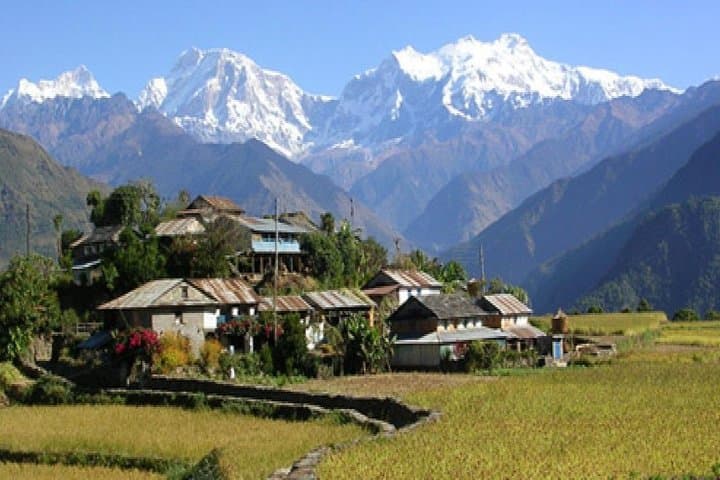
The Royal Trek follows low ridges and terraced fields once walked by visiting dignitaries in the 1980s and threads through Gurung and Magar villages where traditional stone houses and prayer flags mark daily life. Geologically, the trail runs along the foothills of the Lesser Himalaya: rounded ridges of weathered shale and sandstone, carved by monsoon-fed streams that push uphill toward higher snow-capped summits.
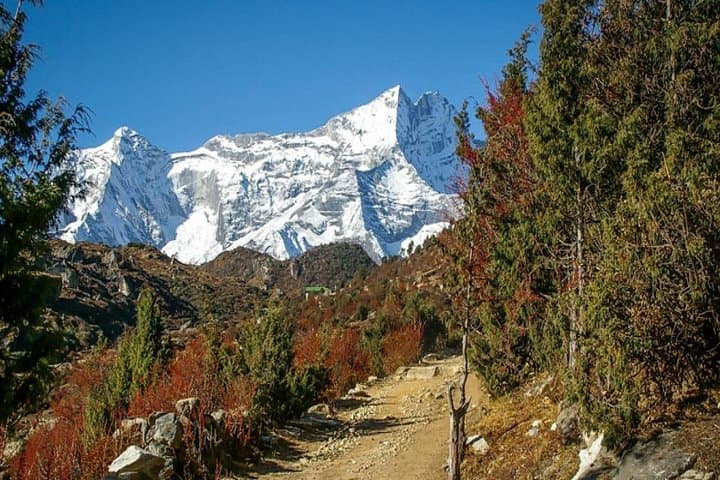
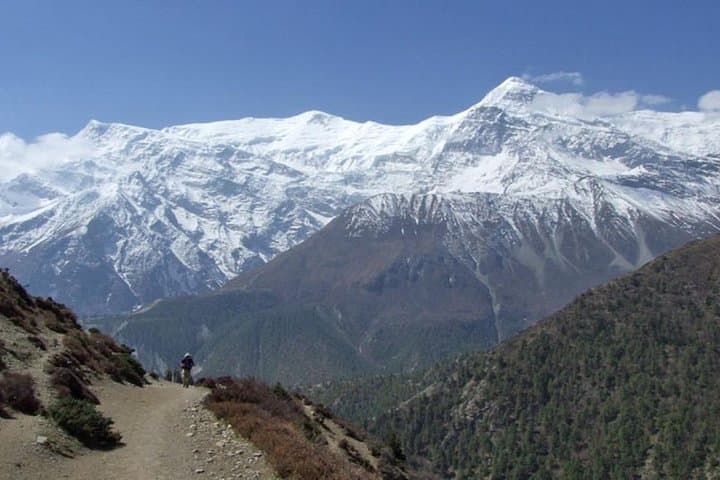
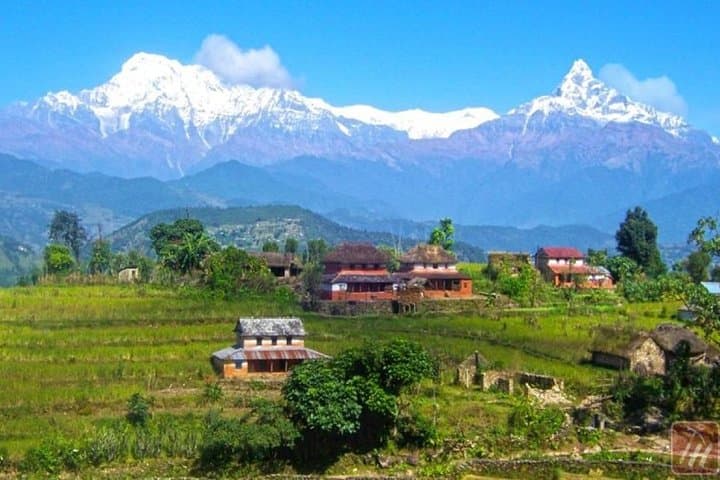
Culturally the route is intimate—tea shops, farm tracks and homestays open a window into local customs, seasonal farming rhythms and hospitality. Expect rhododendron forests that assert themselves in spring, and broad ridge viewpoints (Naudanda, Chisapani) that deliver panoramic frames of Annapurna, Dhaulagiri and Machapuchare (Fishtail).
Practical guidance: the itinerary spans 5–6 days of walking with daily stages of 3–6 hours on stone steps, dirt tracks and short steep pitches; elevation ranges roughly 800–1,750 m so acute altitude effects are unlikely but basic fitness is required. Bring sturdy boots for slippery steps, layered insulation for chilly mornings, and a lightweight rain shell for monsoon clouds. Lodges provide full board; tips for guides and porters are customary. Start early for the best light and to avoid afternoon storms, hydrate on the trail, and carry cash—the villages have limited card options. The Royal Trek rewards with easy walking, cultural contact and reliable Himalayan panoramas without the high-altitude strain of longer Annapurna treks.
moderate.
6 days.
Suitable for someone with regular aerobic activity; able to walk 3–6 hours on hilly terrain for several consecutive days.
Yes—TIMS and ACAP permits are required; this itinerary includes necessary permits.
Unlikely—highest points are below 1,800 m, but monitor for symptoms and communicate with your guide if you feel unwell.
Local lodges and teahouses on a full-board basis; two nights at a mid-range hotel in Pokhara are included.
Spring and fall offer the clearest mountain views and comfortable trekking conditions.
The route earned the ‘Royal’ name after visits by dignitaries in the 1980s and passes long-established Gurung and Magar villages with deep agricultural traditions.
Trails sit near ACAP-managed zones—respect local waste rules, minimize single-use plastics and follow leave-no-trace practices to protect fragile foothill ecosystems.
Asian Heritage Treks and Travels operates guided outdoor trips and adventures with an emphasis on safety, stewardship, and memorable experiences.
Dawn breaks over Phewa Lake and the first light slices the Annapurna skyline into pale gold; the city noise of Pokhara fades, replaced by the steady crunch of pack straps and the river’s voice that will accompany much of the route.
Dawn breaks over Phewa Lake and the first light slices the Annapurna skyline into pale gold; the city noise of Pokhara fades, replaced by the steady crunch of pack straps and the river’s voice that will accompany much of the route.
The Royal Trek follows low ridges and terraced fields once walked by visiting dignitaries in the 1980s and threads through Gurung and Magar villages where traditional stone houses and prayer flags mark daily life. Geologically, the trail runs along the foothills of the Lesser Himalaya: rounded ridges of weathered shale and sandstone, carved by monsoon-fed streams that push uphill toward higher snow-capped summits.
Culturally the route is intimate—tea shops, farm tracks and homestays open a window into local customs, seasonal farming rhythms and hospitality. Expect rhododendron forests that assert themselves in spring, and broad ridge viewpoints (Naudanda, Chisapani) that deliver panoramic frames of Annapurna, Dhaulagiri and Machapuchare (Fishtail).
Practical guidance: the itinerary spans 5–6 days of walking with daily stages of 3–6 hours on stone steps, dirt tracks and short steep pitches; elevation ranges roughly 800–1,750 m so acute altitude effects are unlikely but basic fitness is required. Bring sturdy boots for slippery steps, layered insulation for chilly mornings, and a lightweight rain shell for monsoon clouds. Lodges provide full board; tips for guides and porters are customary. Start early for the best light and to avoid afternoon storms, hydrate on the trail, and carry cash—the villages have limited card options. The Royal Trek rewards with easy walking, cultural contact and reliable Himalayan panoramas without the high-altitude strain of longer Annapurna treks.