THE ADVENTURE COLLECTIVE® · Independent discovery and booking for outdoor travel

Trace 4,000 years of Egyptian history with a private Egyptologist at the National Museum of Egyptian Civilization, then unwind on a traditional felucca glide along the Nile. This half-day private tour pairs concentrated museum time with a calm river ride.
Trace 4,000 years of Egyptian history with a private Egyptologist at the National Museum of Egyptian Civilization, then unwind on a traditional felucca glide along the Nile. This half-day private tour pairs concentrated museum time with a calm river ride.
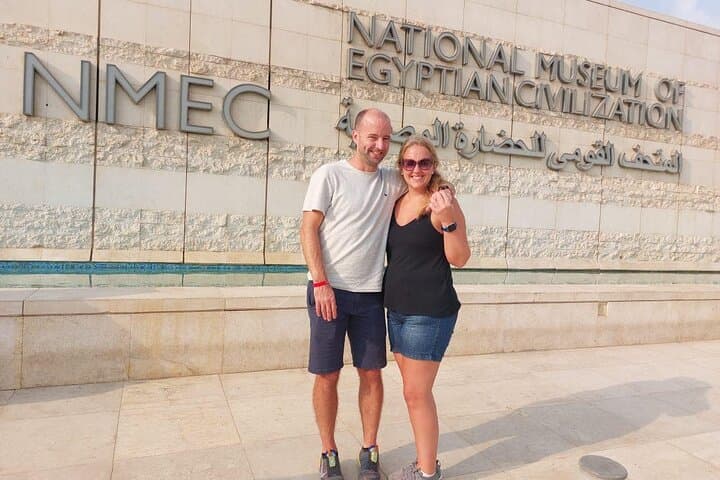
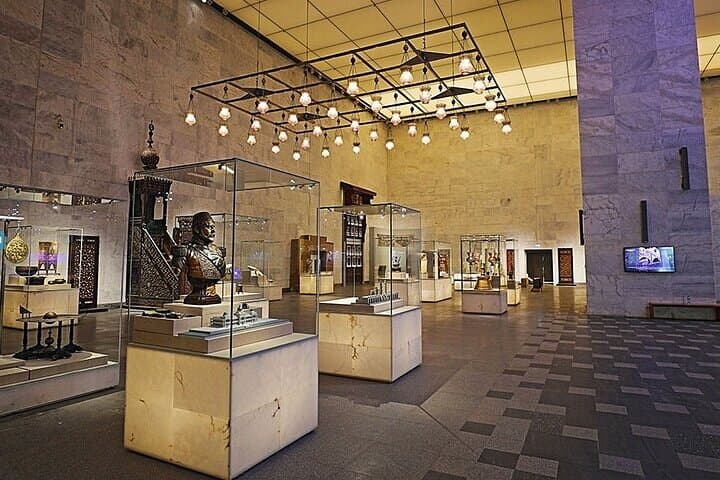
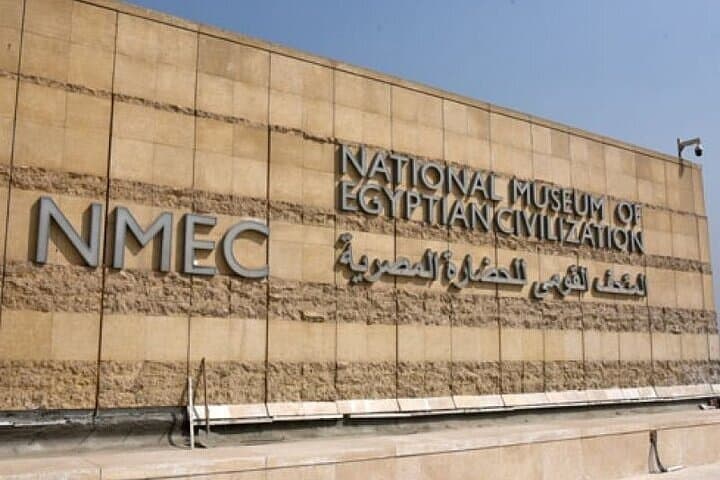
You step out of an air-conditioned car into the wide plaza in front of the National Museum of Egyptian Civilization; stone and glass meet the Nile-side light, and a private Egyptologist waits to lead you through layers of time. Inside, halls unfold chronologically—prehistoric tools, Pharaonic statuary, Coptic icons—each room a measured pace through 50,000 artifacts. The Royal Mummies Hall is the spine of the visit: climate-controlled, lit to show bandages and cartonnage, where pharaohs like Ramses and Hatshepsut seem paused between epochs.
Verified experiences and guided adventures in the surrounding area.
Operated by Book My Egypt Tours · Cairo, Cairo Governorate
You step out of an air-conditioned car into the wide plaza in front of the National Museum of Egyptian Civilization; stone and glass meet the Nile-side light, and a private Egyptologist waits to lead you through layers of time. Inside, halls unfold chronologically—prehistoric tools, Pharaonic statuary, Coptic icons—each room a measured pace through 50,000 artifacts. The Royal Mummies Hall is the spine of the visit: climate-controlled, lit to show bandages and cartonnage, where pharaohs like Ramses and Hatshepsut seem paused between epochs.
The area around Fustat has been a continuous human stage since Roman and early Islamic Cairo; the museum itself re-centers Egyptian story-telling beyond the Tahrir exhibits, emphasizing continuity from predynastic pottery to modern life. Geologically the Nile plain here is alluvium—soft sediment deposited over millennia—what made the valley fertile and called people to settle and build.
After two hours immersed in curated time, you trade museum echo for the breeze of a felucca. These lateen-sailed wooden boats have glided this river since the age of Tutankhamun; a 60-minute clockwise spin gives you low-angle views of modern Cairo, fishermen hauling nets, and the current nudging the boat.
Practical guidance: allow about four hours total; museum security and the mummies hall have strict climate controls—carry a light layer. Wear comfortable walking shoes and bring a hat and sunscreen for the felucca. Bring local currency for market stops and expect a private transfer to pick up and return you to your hotel within Cairo’s city limits.
easy.
4 hours.
Suitable for most fitness levels; involves museum walking and short, gentle boat seating.
The tour includes guided access to the National Museum of Egyptian Civilization, but official admission policies can vary—confirm whether tickets are covered when you book.
The felucca segment is approximately 60 minutes and departs from a Nile dock near the museum or a short transfer away.
Yes—this private tour is marked easy and suitable for all fitness levels; note that museum walkways and boarding a felucca require basic mobility.
A qualified Egyptologist lead is provided; language availability depends on booking options—request your preferred language when reserving.
The museum presents continuous material from predynastic villages through Pharaonic, Greco-Roman, Coptic, and Islamic periods, reframing Egyptian civilisation as an evolving story rather than isolated eras.
The Royal Mummies Hall is climate-controlled to preserve fragile remains; visitors are asked to follow museum guidelines to minimize light and humidity impact.
Book My Egypt Tours operates guided outdoor trips and adventures with an emphasis on safety, stewardship, and memorable experiences.

You step out of an air-conditioned car into the wide plaza in front of the National Museum of Egyptian Civilization; stone and glass meet the Nile-side light, and a private Egyptologist waits to lead you through layers of time. Inside, halls unfold chronologically—prehistoric tools, Pharaonic statuary, Coptic icons—each room a measured pace through 50,000 artifacts. The Royal Mummies Hall is the spine of the visit: climate-controlled, lit to show bandages and cartonnage, where pharaohs like Ramses and Hatshepsut seem paused between epochs.
You step out of an air-conditioned car into the wide plaza in front of the National Museum of Egyptian Civilization; stone and glass meet the Nile-side light, and a private Egyptologist waits to lead you through layers of time. Inside, halls unfold chronologically—prehistoric tools, Pharaonic statuary, Coptic icons—each room a measured pace through 50,000 artifacts. The Royal Mummies Hall is the spine of the visit: climate-controlled, lit to show bandages and cartonnage, where pharaohs like Ramses and Hatshepsut seem paused between epochs.
The area around Fustat has been a continuous human stage since Roman and early Islamic Cairo; the museum itself re-centers Egyptian story-telling beyond the Tahrir exhibits, emphasizing continuity from predynastic pottery to modern life. Geologically the Nile plain here is alluvium—soft sediment deposited over millennia—what made the valley fertile and called people to settle and build.
After two hours immersed in curated time, you trade museum echo for the breeze of a felucca. These lateen-sailed wooden boats have glided this river since the age of Tutankhamun; a 60-minute clockwise spin gives you low-angle views of modern Cairo, fishermen hauling nets, and the current nudging the boat.
Practical guidance: allow about four hours total; museum security and the mummies hall have strict climate controls—carry a light layer. Wear comfortable walking shoes and bring a hat and sunscreen for the felucca. Bring local currency for market stops and expect a private transfer to pick up and return you to your hotel within Cairo’s city limits.