THE ADVENTURE COLLECTIVE® · Independent discovery and booking for outdoor travel

A seven-day circuit from Delhi to Jaipur that pairs UNESCO sites and royal palaces with Ranthambhore tiger safaris and a tranquil stop in Bundi. Read on for what to expect, when to go and practical tips for safaris and sightseeing.
A seven-day circuit from Delhi to Jaipur that pairs UNESCO sites and royal palaces with Ranthambhore tiger safaris and a tranquil stop in Bundi. Read on for what to expect, when to go and practical tips for safaris and sightseeing.
Morning light on white marble, rickshaw dust in Chandni Chowk and the low, expectant silhouettes of sal trees at Ranthambhore — this seven-day circuit moves from metropolitan Delhi through Mughal Agra to the royal pink of Jaipur, with a wildlife detour into Ranthambhore's tiger country and a quieter stop in Bundi.
Verified experiences and guided adventures in the surrounding area.
Operated by Travocation Group · New Delhi, Delhi
Morning light on white marble, rickshaw dust in Chandni Chowk and the low, expectant silhouettes of sal trees at Ranthambhore — this seven-day circuit moves from metropolitan Delhi through Mughal Agra to the royal pink of Jaipur, with a wildlife detour into Ranthambhore's tiger country and a quieter stop in Bundi.
The route threads together eras: Mughal mausoleums of the 17th century, Fatehpur Sikri’s red-sandstone compounds, Rajput forts and ornate stepwells in Bundi. Geologically the region is part of the Indo-Gangetic plains meeting the Aravalli outcrops; forests around Ranthambhore are dry deciduous, where monsoon-fed pools mark tiger scent-lines and support herbivore herds.
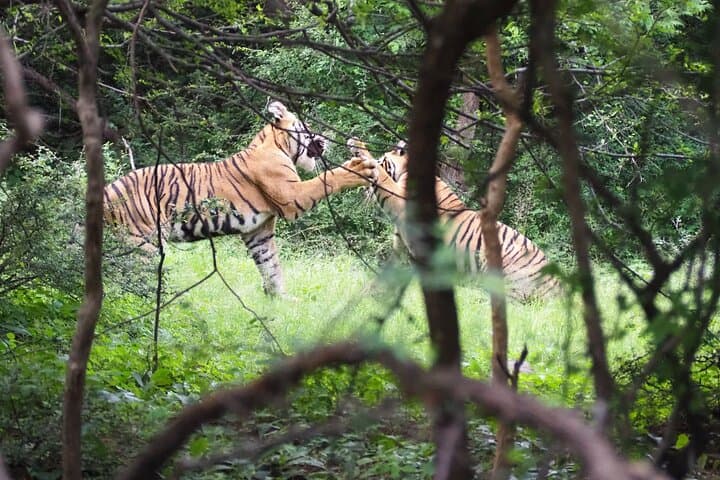
Culturally, expect layered experiences — guided tours of UNESCO and imperial sites, bazaars where spices and textiles set the pace, and Rajasthani townscapes that reward slow exploration. In Ranthambhore, mornings and evenings are when wildlife moves; safaris are on open jeeps or canters and are largely observational rather than strenuous.
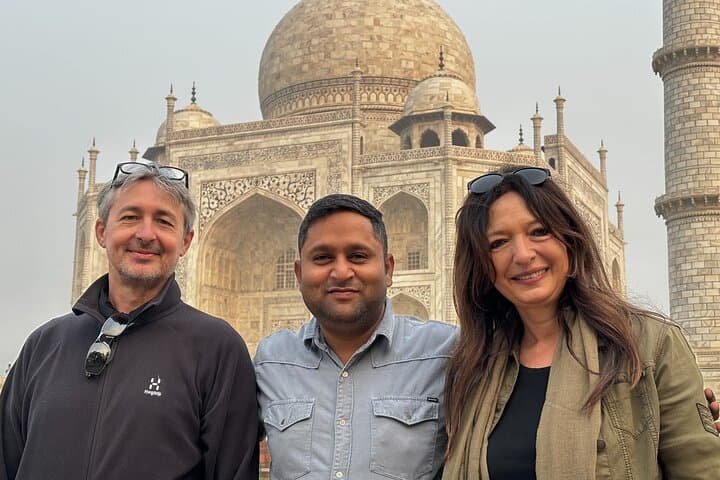
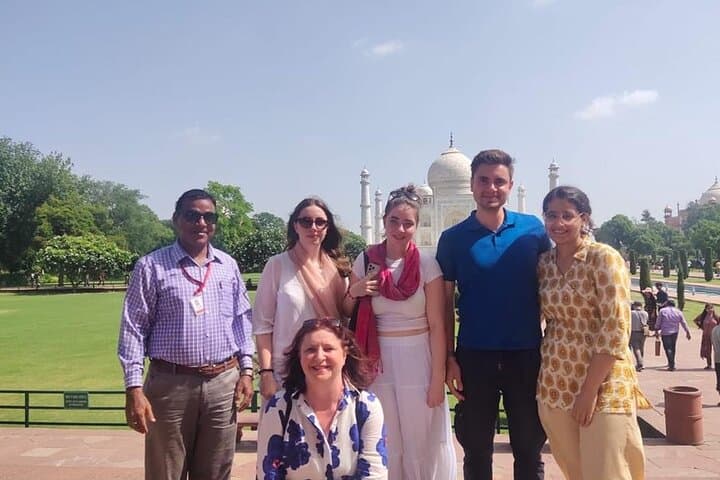
Practical guidance: time Taj Mahal for sunrise or late afternoon for better light and cooler crowds; book Ranthambhore safaris for both morning and evening windows to boost sighting odds. Bring binoculars, sun protection and breathable layers — temperatures swing dramatically between desert days and cooler mornings. Allow transit time: Delhi–Agra ≈3–4 hours; Agra–Ranthambhore ≈4 hours; Ranthambhore–Jaipur ≈3–4 hours. Respect park rules, follow guide directions and keep plastics packed out of wildlife areas. This itinerary balances architectural spectacle with one of India’s most accessible tiger reserves — practical enough for first-timers, rich enough for repeat visitors.
moderate.
7 days.
Suitable for travelers in average fitness; days include walking tours and short hikes in forts, plus long vehicle transfers.
Sightings depend on luck, season and park luck; booking both morning and evening safaris improves chances but sightings are never guaranteed.
Safaris run in open sharing jeeps or canters; exact vehicle depends on park zone and booking type (private vs. shared).
Options include 3★ or 5★ hotels for six nights depending on your booking selection; check inclusions for your chosen package level.
The itinerary notes stroller and wheelchair-accessible transport; however safaris involve open vehicles and uneven terrain—discuss specific needs with the operator when booking.
The circuit traces Mughal-era monuments in Agra and Delhi and Rajput palaces in Rajasthan; Bundi preserves regional Rajput architecture and stepwell engineering.
Ranthambhore is a critical site in India’s tiger recovery efforts with regulated safari quotas and strict park rules; choose operators who follow park guidelines and avoid single-use plastics.
Travocation Group operates guided outdoor trips and adventures with an emphasis on safety, stewardship, and memorable experiences.
Morning light on white marble, rickshaw dust in Chandni Chowk and the low, expectant silhouettes of sal trees at Ranthambhore — this seven-day circuit moves from metropolitan Delhi through Mughal Agra to the royal pink of Jaipur, with a wildlife detour into Ranthambhore's tiger country and a quieter stop in Bundi.
Morning light on white marble, rickshaw dust in Chandni Chowk and the low, expectant silhouettes of sal trees at Ranthambhore — this seven-day circuit moves from metropolitan Delhi through Mughal Agra to the royal pink of Jaipur, with a wildlife detour into Ranthambhore's tiger country and a quieter stop in Bundi.
The route threads together eras: Mughal mausoleums of the 17th century, Fatehpur Sikri’s red-sandstone compounds, Rajput forts and ornate stepwells in Bundi. Geologically the region is part of the Indo-Gangetic plains meeting the Aravalli outcrops; forests around Ranthambhore are dry deciduous, where monsoon-fed pools mark tiger scent-lines and support herbivore herds.
Culturally, expect layered experiences — guided tours of UNESCO and imperial sites, bazaars where spices and textiles set the pace, and Rajasthani townscapes that reward slow exploration. In Ranthambhore, mornings and evenings are when wildlife moves; safaris are on open jeeps or canters and are largely observational rather than strenuous.
Practical guidance: time Taj Mahal for sunrise or late afternoon for better light and cooler crowds; book Ranthambhore safaris for both morning and evening windows to boost sighting odds. Bring binoculars, sun protection and breathable layers — temperatures swing dramatically between desert days and cooler mornings. Allow transit time: Delhi–Agra ≈3–4 hours; Agra–Ranthambhore ≈4 hours; Ranthambhore–Jaipur ≈3–4 hours. Respect park rules, follow guide directions and keep plastics packed out of wildlife areas. This itinerary balances architectural spectacle with one of India’s most accessible tiger reserves — practical enough for first-timers, rich enough for repeat visitors.