THE ADVENTURE COLLECTIVE® · Independent discovery and booking for outdoor travel

Head into Lapland’s deep winter for a small-group aurora chase from Rovaniemi. Local guides ferry you to frozen lakes and forest clearings where minimal light pollution and wide northern horizons improve your chances of seeing the northern lights.
Head into Lapland’s deep winter for a small-group aurora chase from Rovaniemi. Local guides ferry you to frozen lakes and forest clearings where minimal light pollution and wide northern horizons improve your chances of seeing the northern lights.
A cold hush settles over the birch and pine as your minivan slips away from Rovaniemi’s sodium-lit streets. Snow clicks under tires, and the guide eases you onto a frozen lakeshore where the sky feels impossibly wide. Breath fogs in front of you as the group waits—hot drink in hand—while the first green ribbons begin to ghost across the heavens.
Verified experiences and guided adventures in the surrounding area.
Operated by A Day In Lapland · Rovaniemi, Lapland
A cold hush settles over the birch and pine as your minivan slips away from Rovaniemi’s sodium-lit streets. Snow clicks under tires, and the guide eases you onto a frozen lakeshore where the sky feels impossibly wide. Breath fogs in front of you as the group waits—hot drink in hand—while the first green ribbons begin to ghost across the heavens.
Rovaniemi sits on the Arctic Circle, an area shaped by glacial scouring and post-glacial rivers that carved broad valleys and shallow lakes. The modern town rose from wartime ashes in the mid-20th century and today balances Sámi traditions, reindeer herding, and tourism infrastructure. Local guides bring that context to the field: reading weather, choosing clear-sky microclimates, and pointing out tracks of reindeer and owl calls in the dark.
The tour seeks dark-sky pockets — frozen lakes, snow-draped forest openings, and occasionally a private lakeside hut — locations chosen for minimal light pollution and horizon visibility. Expect 3–4 hours total; the pace is deliberately slow to maximize viewing windows and photography opportunities.
Practical tips: dress in layered thermal clothing and waterproof boots, bring a spare battery for cameras (cold kills charge fast), and arrive with realistic expectations—auroras require clear skies and solar activity. Guides supply hot drinks, snacks, basic photo advice, and transport; they’ll also advise how to move respectfully across fragile winter tundra. For anyone chasing the aurora, this small-group option blends local knowledge with low-impact access to Rovaniemi’s best winter skies.
easy.
3–4 hours.
Suitable for most fitness levels; requires ability to stand outdoors in cold for extended periods
Aurora season runs broadly from late August to April, with peak visibility during the dark winter months (December–March) when nights are longest and skies are clearer.
No—sightings depend on solar activity and local weather; reputable tours reduce risk by choosing dark locations but cannot guarantee displays.
Yes; the tour notes infant seats are available and the tour is rated easy, but parents should dress children in proper cold-weather gear and be prepared for late hours.
Bring a camera with manual exposure, a wide-aperture lens, a sturdy tripod, spare batteries, and a remote shutter or interval timer for long exposures.
Rovaniemi sits on the Arctic Circle and was largely rebuilt after WWII; postwar planners and local Sámi culture shaped the town’s modern identity.
Tours aim to minimize light pollution and stay on established routes; follow guides’ instructions and avoid disturbing wildlife or trampling delicate winter vegetation.
A Day In Lapland operates guided outdoor trips and adventures with an emphasis on safety, stewardship, and memorable experiences.
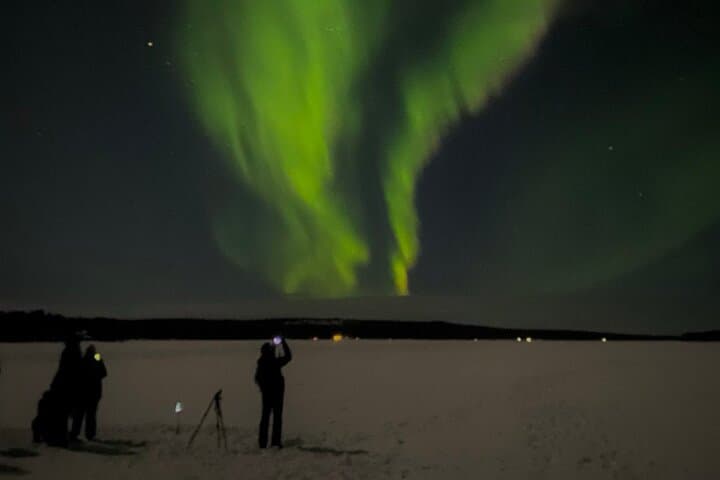
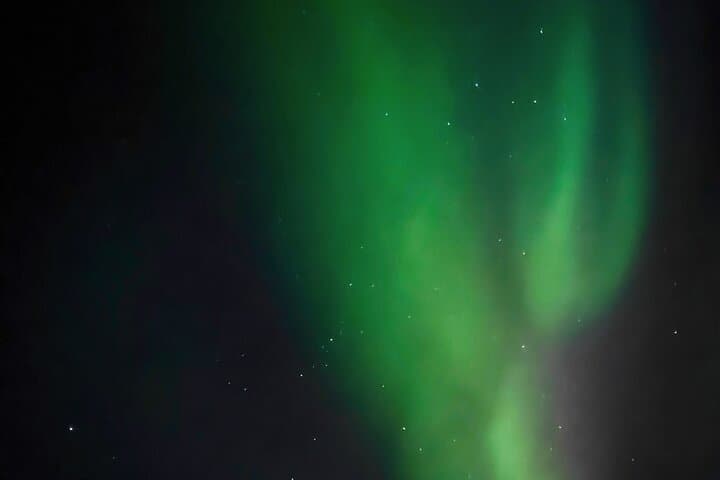
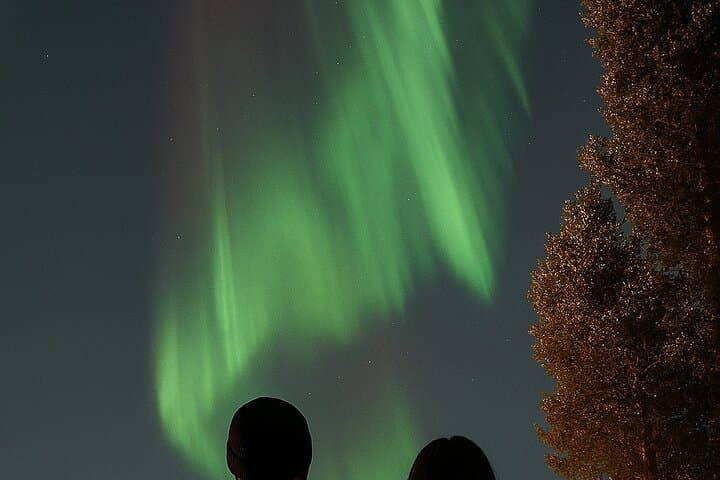
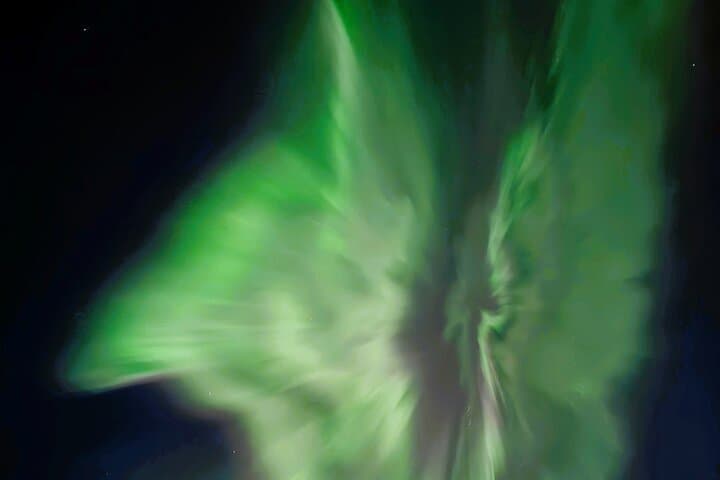
A cold hush settles over the birch and pine as your minivan slips away from Rovaniemi’s sodium-lit streets. Snow clicks under tires, and the guide eases you onto a frozen lakeshore where the sky feels impossibly wide. Breath fogs in front of you as the group waits—hot drink in hand—while the first green ribbons begin to ghost across the heavens.
A cold hush settles over the birch and pine as your minivan slips away from Rovaniemi’s sodium-lit streets. Snow clicks under tires, and the guide eases you onto a frozen lakeshore where the sky feels impossibly wide. Breath fogs in front of you as the group waits—hot drink in hand—while the first green ribbons begin to ghost across the heavens.
Rovaniemi sits on the Arctic Circle, an area shaped by glacial scouring and post-glacial rivers that carved broad valleys and shallow lakes. The modern town rose from wartime ashes in the mid-20th century and today balances Sámi traditions, reindeer herding, and tourism infrastructure. Local guides bring that context to the field: reading weather, choosing clear-sky microclimates, and pointing out tracks of reindeer and owl calls in the dark.
The tour seeks dark-sky pockets — frozen lakes, snow-draped forest openings, and occasionally a private lakeside hut — locations chosen for minimal light pollution and horizon visibility. Expect 3–4 hours total; the pace is deliberately slow to maximize viewing windows and photography opportunities.
Practical tips: dress in layered thermal clothing and waterproof boots, bring a spare battery for cameras (cold kills charge fast), and arrive with realistic expectations—auroras require clear skies and solar activity. Guides supply hot drinks, snacks, basic photo advice, and transport; they’ll also advise how to move respectfully across fragile winter tundra. For anyone chasing the aurora, this small-group option blends local knowledge with low-impact access to Rovaniemi’s best winter skies.