THE ADVENTURE COLLECTIVE® · Independent discovery and booking for outdoor travel

Head into Lapland’s dark-sky pockets with a professional guide to photograph the Northern Lights. This 5‑hour evening tour offers up to three viewing locations, warm gear, and on-site photography help.
Head into Lapland’s dark-sky pockets with a professional guide to photograph the Northern Lights. This 5‑hour evening tour offers up to three viewing locations, warm gear, and on-site photography help.
A cold wind slides across the snow and the van's heater fights the Arctic night as the guide eases onto a backroad outside Rovaniemi. Headlights cut through spruce silhouettes, and the sky—wide and black—waits. Once away from town lights, the group steps out into silence: stars above, the hush of boreal forest, and the real possibility of green curtains beginning to move.
Verified experiences and guided adventures in the surrounding area.
Operated by Northern Future OY · Rovaniemi, Lapland
A cold wind slides across the snow and the van's heater fights the Arctic night as the guide eases onto a backroad outside Rovaniemi. Headlights cut through spruce silhouettes, and the sky—wide and black—waits. Once away from town lights, the group steps out into silence: stars above, the hush of boreal forest, and the real possibility of green curtains beginning to move.
Lapland sits just below the Arctic Circle; its long winter nights and geomagnetic latitude make it one of Europe's reliable aurora-viewing zones. The area’s bedrock was shaped by ancient glaciations, leaving shallow lakes and ridged terrain that open clear sky windows in the forested landscape. Sámi culture and reindeer herding remain visible threads here, and guides will often point out how traditional travel routes and seasonal practices aligned with these northern skies.
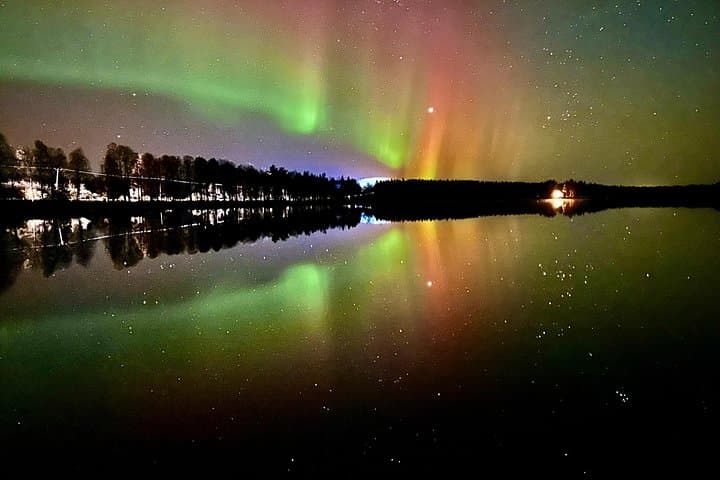
Practically speaking, expect a 5‑hour evening window that includes transfers to up to three dark locations—often lakeshores, open tundra edges, or forest clearings—chosen for weather and auroral forecasts. Guides provide warm outerwear, hot berry tea, and photography coaching: how to set white balance, aperture, and use long exposures without star trails. Temperatures can drop well below freezing; plan for layered insulation, sturdy insulated boots, and spares for camera batteries. There’s no guarantee the lights will appear—this is nature—but with local forecasts and mobility, sightings are more likely than from town.
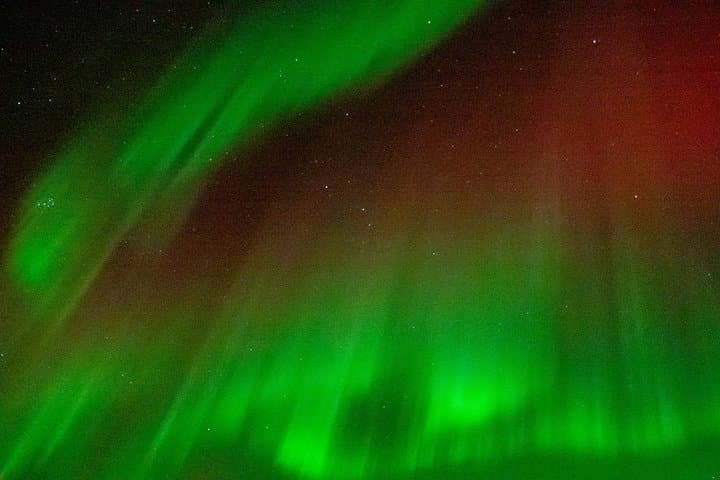
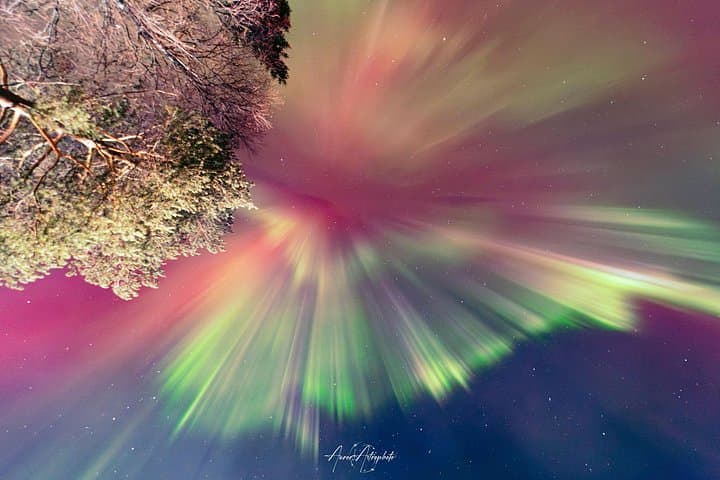
If the aurora does appear, it can unfold from faint green ripples to bright bands that chase across the sky, pulling every eye upward. Be ready, be patient, and let the night move at its own pace.
easy.
5 hours.
Suitable for most fitness levels; involves short walks on uneven, icy ground and standing in cold conditions.
No—aurora is a natural phenomenon influenced by weather and solar activity; guides maximize chances by moving to dark, forecasted locations but cannot guarantee sightings.
Guides typically provide outer winter clothing or coveralls and hot drinks, but you should still bring warm base layers and insulated boots for comfort and safety.
No—basic camera knowledge helps, and guides offer on-site instruction for camera and phone settings to improve your photos.
Yes—this tour includes hotel or accommodation transfer in small vehicles; confirm your pickup point when booking.
Rovaniemi developed as a regional center after WWII; the broader Lapland region has long been home to Sámi communities whose seasonal livelihoods intersect with the landscape's light and weather rhythms.
Tours minimize impact by using established roads and avoiding fragile tundra; travelers should limit light use, pack out waste, and respect wildlife distances.
Northern Future OY operates guided outdoor trips and adventures with an emphasis on safety, stewardship, and memorable experiences.
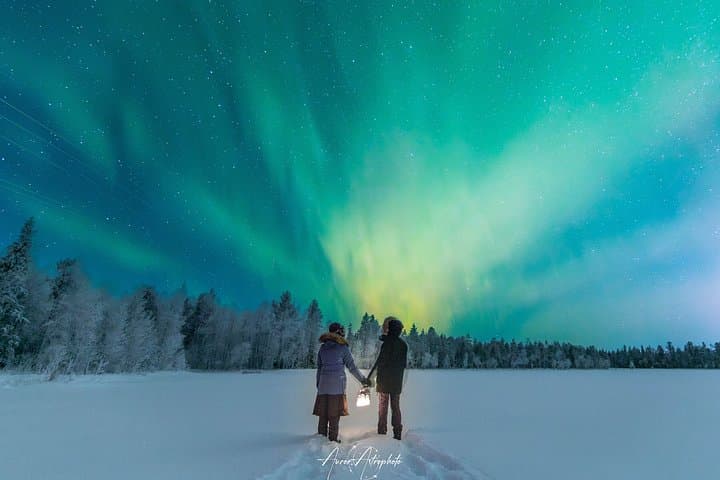
A cold wind slides across the snow and the van's heater fights the Arctic night as the guide eases onto a backroad outside Rovaniemi. Headlights cut through spruce silhouettes, and the sky—wide and black—waits. Once away from town lights, the group steps out into silence: stars above, the hush of boreal forest, and the real possibility of green curtains beginning to move.
A cold wind slides across the snow and the van's heater fights the Arctic night as the guide eases onto a backroad outside Rovaniemi. Headlights cut through spruce silhouettes, and the sky—wide and black—waits. Once away from town lights, the group steps out into silence: stars above, the hush of boreal forest, and the real possibility of green curtains beginning to move.
Lapland sits just below the Arctic Circle; its long winter nights and geomagnetic latitude make it one of Europe's reliable aurora-viewing zones. The area’s bedrock was shaped by ancient glaciations, leaving shallow lakes and ridged terrain that open clear sky windows in the forested landscape. Sámi culture and reindeer herding remain visible threads here, and guides will often point out how traditional travel routes and seasonal practices aligned with these northern skies.
Practically speaking, expect a 5‑hour evening window that includes transfers to up to three dark locations—often lakeshores, open tundra edges, or forest clearings—chosen for weather and auroral forecasts. Guides provide warm outerwear, hot berry tea, and photography coaching: how to set white balance, aperture, and use long exposures without star trails. Temperatures can drop well below freezing; plan for layered insulation, sturdy insulated boots, and spares for camera batteries. There’s no guarantee the lights will appear—this is nature—but with local forecasts and mobility, sightings are more likely than from town.
If the aurora does appear, it can unfold from faint green ripples to bright bands that chase across the sky, pulling every eye upward. Be ready, be patient, and let the night move at its own pace.