THE ADVENTURE COLLECTIVE® · Independent discovery and booking for outdoor travel

A three-day passage through the Ecuadorian Andes that pairs volcanic landscapes with historic rail engineering and Inca ruins. Expect high-altitude panoramas, the Devil’s Nose train switchbacks, and colonial Cuenca’s stone streets.
A three-day passage through the Ecuadorian Andes that pairs volcanic landscapes with historic rail engineering and Inca ruins. Expect high-altitude panoramas, the Devil’s Nose train switchbacks, and colonial Cuenca’s stone streets.
You step out before dawn in Quito and the air snaps cold; peaks puncture the sky and the Andes seem to shift as you drive toward Cotopaxi. The ridgelines push and fold around the bus like pages in motion, and by midmorning the national park’s high grass and volcanic shoulders have a presence that feels alive—winds that prod you onward.
Verified experiences and guided adventures in the surrounding area.
Operated by Tangol · Quito, Pichincha
You step out before dawn in Quito and the air snaps cold; peaks puncture the sky and the Andes seem to shift as you drive toward Cotopaxi. The ridgelines push and fold around the bus like pages in motion, and by midmorning the national park’s high grass and volcanic shoulders have a presence that feels alive—winds that prod you onward.
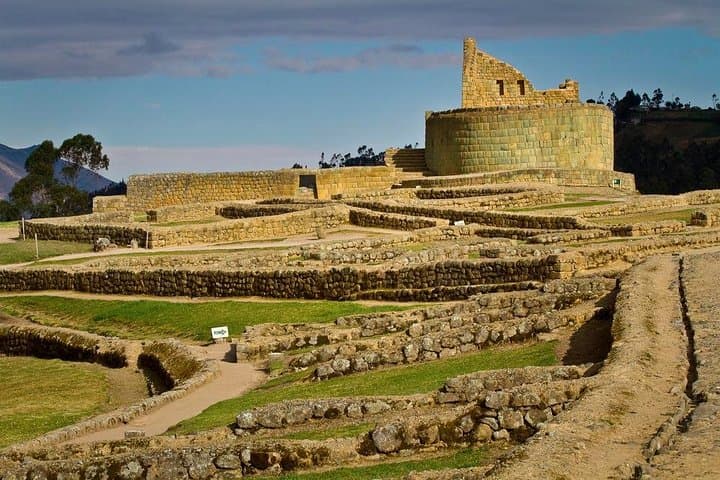
This three-day route threads Ecuador’s highlands: Cotopaxi’s glacier-tinged cone, the colonial haciendas around Riobamba, the dizzying switchbacks of Alausí’s Devil’s Nose train, and the stone terraces and temples at Ingapirca. Geology here is obvious—young, uplifted Andes and volcanic cones carved by ice and rain—and human history sits alongside it: Cañari and Inca masonry at Ingapirca, Spanish-era towns that reorganized valley life, and 19th-century rail engineering that conquered steep slopes.
Culturally, the trip moves from mestizo markets and hacienda hospitality to the quieter, indigenous villages around Cañar and the polished cathedrals of Cuenca. Along the way, watch for condors riding thermal columns and llamas grazing in high páramo pastures.
Practical guide: bring layered clothing for large diurnal swings, hydrate and allow time to acclimatize before strenuous activity, and reserve the Devil’s Nose train seat in advance—it sells out on busy days. Footwear should handle gravel and short sections of uneven cobblestone. Expect moderate travel time each day with comfortable overnight hotels, breakfast included. Keep small bills for local markets and respect archaeological signage at Ingapirca: paths are fragile and worth protecting.
moderate.
3 days.
Basic to moderate fitness; able to handle short walks on uneven ground and several hours of seated travel each day
The tour includes short guided walks and cobblestone city tours; most travel is by vehicle or train—no technical hiking required.
You reach elevations around 3,000–3,800 m; mild symptoms are common—hydrate, rest, and inform guides if you feel unwell.
Train ticket and listed admissions are included in this itinerary; confirm specifics at booking and carry ID for any ticket exchanges.
The tour lists bilingual guides—typically Spanish and English; verify at booking if you need another language.
Ingapirca is Ecuador’s largest Inca-era complex, built where Cañari and Inca cultures intersected; the Devil’s Nose railway is 19th-century engineering designed to descend steep terrain via switchbacks.
The páramo is ecologically fragile—stay on roads and trails, minimize plastic waste, and respect archaeological preservation rules at Ingapirca.
Tangol operates guided outdoor trips and adventures with an emphasis on safety, stewardship, and memorable experiences.
You step out before dawn in Quito and the air snaps cold; peaks puncture the sky and the Andes seem to shift as you drive toward Cotopaxi. The ridgelines push and fold around the bus like pages in motion, and by midmorning the national park’s high grass and volcanic shoulders have a presence that feels alive—winds that prod you onward.
You step out before dawn in Quito and the air snaps cold; peaks puncture the sky and the Andes seem to shift as you drive toward Cotopaxi. The ridgelines push and fold around the bus like pages in motion, and by midmorning the national park’s high grass and volcanic shoulders have a presence that feels alive—winds that prod you onward.
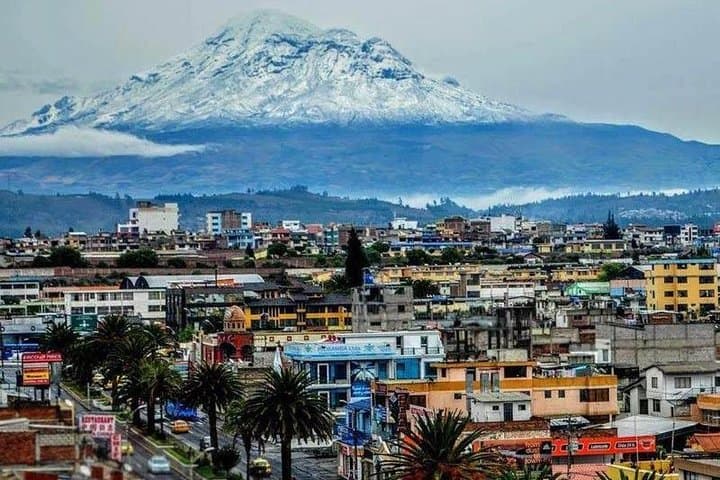
This three-day route threads Ecuador’s highlands: Cotopaxi’s glacier-tinged cone, the colonial haciendas around Riobamba, the dizzying switchbacks of Alausí’s Devil’s Nose train, and the stone terraces and temples at Ingapirca. Geology here is obvious—young, uplifted Andes and volcanic cones carved by ice and rain—and human history sits alongside it: Cañari and Inca masonry at Ingapirca, Spanish-era towns that reorganized valley life, and 19th-century rail engineering that conquered steep slopes.
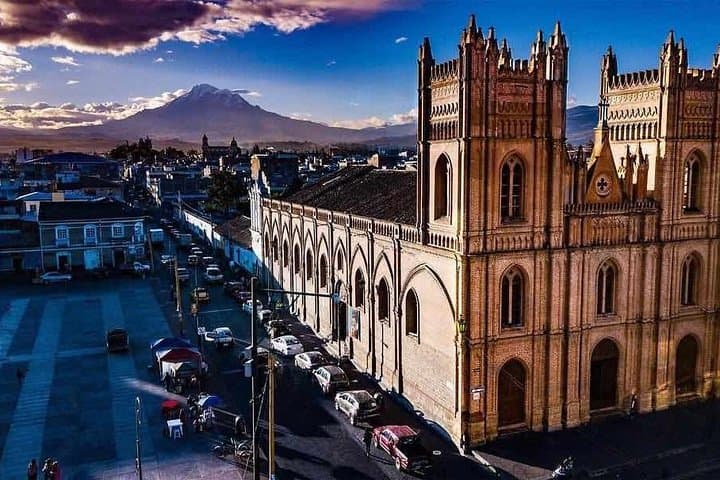
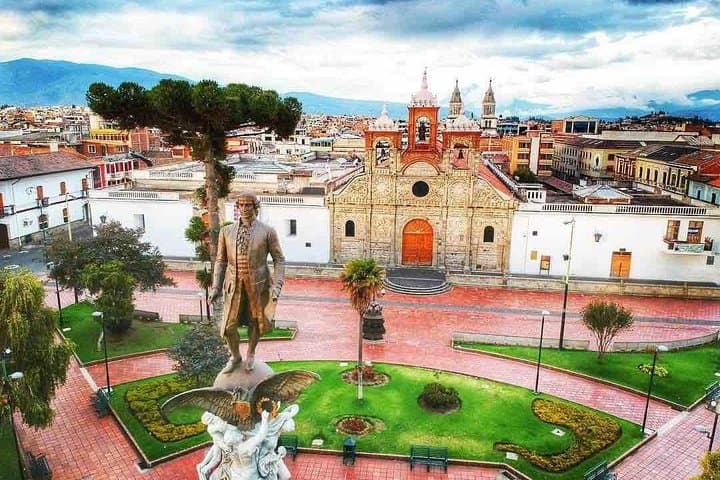
Culturally, the trip moves from mestizo markets and hacienda hospitality to the quieter, indigenous villages around Cañar and the polished cathedrals of Cuenca. Along the way, watch for condors riding thermal columns and llamas grazing in high páramo pastures.
Practical guide: bring layered clothing for large diurnal swings, hydrate and allow time to acclimatize before strenuous activity, and reserve the Devil’s Nose train seat in advance—it sells out on busy days. Footwear should handle gravel and short sections of uneven cobblestone. Expect moderate travel time each day with comfortable overnight hotels, breakfast included. Keep small bills for local markets and respect archaeological signage at Ingapirca: paths are fragile and worth protecting.