THE ADVENTURE COLLECTIVE® · Independent discovery and booking for outdoor travel

Travel Cusco to Puno in a single, dramatic day along the Ruta del Sol. Visit the Sistine Chapel of the Americas, the temple of Wiracocha at Raqchi, La Raya pass, and Pukará’s lithics with guided stops and a country lunch.
Travel Cusco to Puno in a single, dramatic day along the Ruta del Sol. Visit the Sistine Chapel of the Americas, the temple of Wiracocha at Raqchi, La Raya pass, and Pukará’s lithics with guided stops and a country lunch.
The bus eases out of Cusco at first light and the valley folds behind you—stone streets shrinking into an expanse of puna and serrated ridgelines.
Verified experiences and guided adventures in the surrounding area.
Operated by MachuPicchu Journey · Cusco, Cusco Region
The bus eases out of Cusco at first light and the valley folds behind you—stone streets shrinking into an expanse of puna and serrated ridgelines.
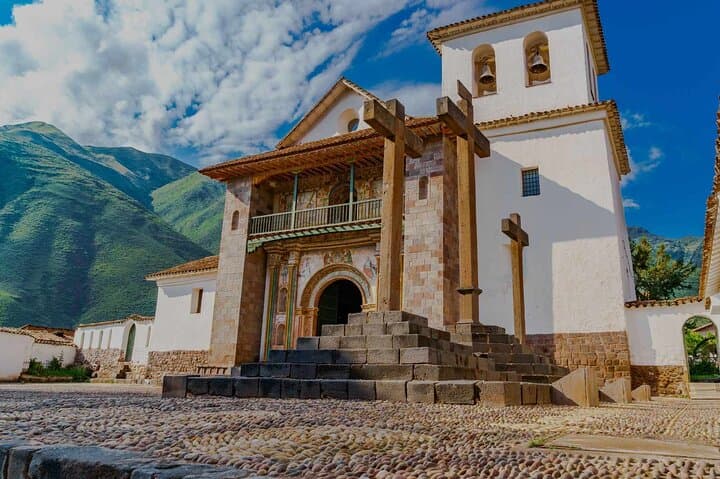
Over roughly 400 km and a ten-to-eleven hour day you’ll cross the high Andean plateau, stopping at Andahuaylillas’ baroque chapel, the stone towers of Raqchi where the temple of Wiracocha still dominates the skyline, a country buffet in Sicuani, the high pass at La Raya (above 4,300 m), and the Lithic Museum of Pukará at ~3,900 m before rolling into Puno by late afternoon.
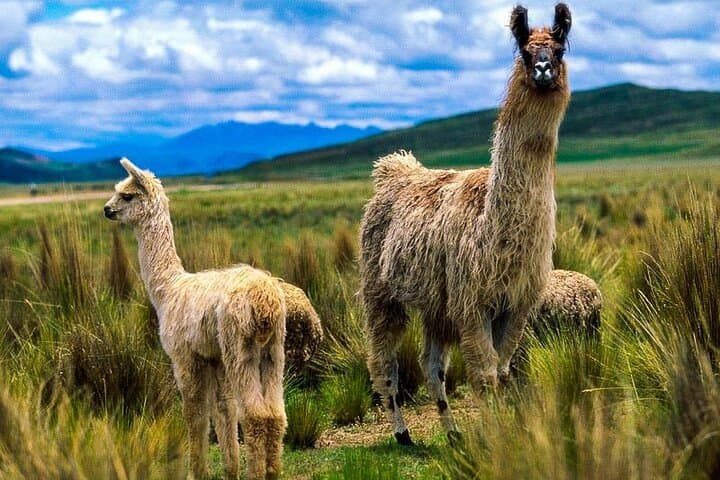
This corridor traces layered histories: colonial painters who decorated Andahuaylillas with Cusco School murals, pre-Inca Pukará sculptors, and Inca-era ceremonial centers tied to agricultural and llama economies. Geologically the route moves from folded volcanic highlands into the broad, glacially influenced altiplano—wind-carved grasslands where the horizon feels unusually close.
Practical guidance is simple and essential. Acclimatize in Cusco for 24–48 hours if possible; expect thin air at La Raya. Dress in layers—sun at midday and sharp cold at passes—and bring sunscreen, water, and motion-sickness remedies for long highway sections. Stops have basic facilities and a guided narrative, but carry small change and snacks for gaps between towns. Photographers should prep batteries; light is crisp and contrasty.
The Route of the Sun is a day-long cultural highway: kinetic, high, and readable—history in stone, broad landscapes that dare you to look farther, and practical logistics that reward modest preparation.
easy.
10–11 hours.
Suitable for travelers of most fitness levels; expect long periods seated plus short walks at high altitude.
The tour runs about 10–11 hours, typically departing Cusco around 7:00 a.m. and arriving in Puno late afternoon (around 5:00 p.m.).
Yes—several stops exceed 3,000 m and La Raya tops ~4,300 m. Acclimatize in Cusco for 24–48 hours, hydrate, and discuss medication with your doctor if you have concerns.
The itinerary includes a buffet lunch en route and admissions to listed archaeological sites like Raqchi and the Pukará Lithic Museum as specified by the operator.
Transportation is by private coach with a trained driver; there are restroom and stretch stops at attractions and restaurants but facilities are basic in rural areas.
The route links colonial Christianization (Andahuaylillas’ richly painted chapel) with pre-Inca Pukará cultures and Inca ceremonial architecture at Raqchi dedicated to the creator god Wiracocha.
The high-altitude grasslands are sensitive to overgrazing and litter; visitors should stay on paths, avoid feeding wildlife, and pack out trash to reduce impact.
MachuPicchu Journey operates guided outdoor trips and adventures with an emphasis on safety, stewardship, and memorable experiences.


The bus eases out of Cusco at first light and the valley folds behind you—stone streets shrinking into an expanse of puna and serrated ridgelines.
The bus eases out of Cusco at first light and the valley folds behind you—stone streets shrinking into an expanse of puna and serrated ridgelines.
Over roughly 400 km and a ten-to-eleven hour day you’ll cross the high Andean plateau, stopping at Andahuaylillas’ baroque chapel, the stone towers of Raqchi where the temple of Wiracocha still dominates the skyline, a country buffet in Sicuani, the high pass at La Raya (above 4,300 m), and the Lithic Museum of Pukará at ~3,900 m before rolling into Puno by late afternoon.
This corridor traces layered histories: colonial painters who decorated Andahuaylillas with Cusco School murals, pre-Inca Pukará sculptors, and Inca-era ceremonial centers tied to agricultural and llama economies. Geologically the route moves from folded volcanic highlands into the broad, glacially influenced altiplano—wind-carved grasslands where the horizon feels unusually close.
Practical guidance is simple and essential. Acclimatize in Cusco for 24–48 hours if possible; expect thin air at La Raya. Dress in layers—sun at midday and sharp cold at passes—and bring sunscreen, water, and motion-sickness remedies for long highway sections. Stops have basic facilities and a guided narrative, but carry small change and snacks for gaps between towns. Photographers should prep batteries; light is crisp and contrasty.
The Route of the Sun is a day-long cultural highway: kinetic, high, and readable—history in stone, broad landscapes that dare you to look farther, and practical logistics that reward modest preparation.