THE ADVENTURE COLLECTIVE® · Independent discovery and booking for outdoor travel

A nine-day self-drive that threads Marrakech to Merzouga and back through the High Atlas and the so-called Route of 1000 Kasbahs. Expect dramatic mountain passes, UNESCO-listed Ait Ben Haddou and a night under desert stars.
A nine-day self-drive that threads Marrakech to Merzouga and back through the High Atlas and the so-called Route of 1000 Kasbahs. Expect dramatic mountain passes, UNESCO-listed Ait Ben Haddou and a night under desert stars.
You pull out of Marrakech as palm shadow gives way to the climbing spine of the High Atlas; the road bends and the city’s red dust shrinks behind you. Over nine days this self-drive thread cuts through ochre kasbahs, palm-fringed oases and wind-sculpted dunes, finishing where it began: in the market hum of Jemaa el-Fnaa.
Verified experiences and guided adventures in the surrounding area.
Operated by Holiday Services · Marrakech, Marrakech-Safi
You pull out of Marrakech as palm shadow gives way to the climbing spine of the High Atlas; the road bends and the city’s red dust shrinks behind you. Over nine days this self-drive thread cuts through ochre kasbahs, palm-fringed oases and wind-sculpted dunes, finishing where it began: in the market hum of Jemaa el-Fnaa.
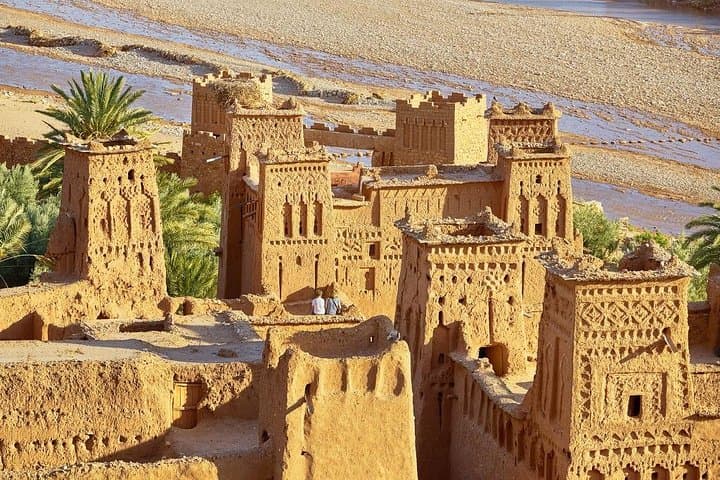
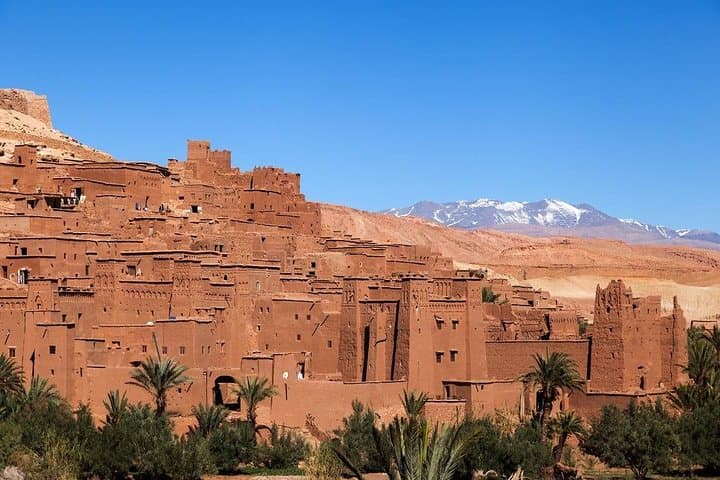
Geology and history here are hands-on: the High Atlas lifts ancient volcanic and metamorphic rock into dramatic passes, while the valleys below collect alluvial soils that have supported fortified earthen towns—ksars and kasbahs—since trans-Saharan caravan days. Ouarzazate and Ait Ben Haddou show the layered history of film sets, trade routes and imperial power; the Merzouga dunes demonstrate aeolian processes in living form as sand marches and ripples with the wind.
Local culture is direct and hospitable: you'll sleep in hotels, a desert bivouac and an ecolodge, trade dates and saffron in weekly souks, and meet communities whose lives still pivot on seasonal water and rose harvests in the Valley of Roses.
Practical guidance: plan 4–6 hours of daily driving between stops, factor in slower gravel sections near dunes, and reserve transfers to remote ecolodges. Carry cash, a full spare tire, and copies of car documentation; mobile signal is intermittent outside towns. Time dune walks for early morning or late afternoon to avoid extreme heat and to catch the desert light. With sensible preparation this itinerary balances accessible driving with genuine, varied desert and mountain landscapes—an efficient way to see southern Morocco’s layered terrain and living history.
moderate.
9 days.
Low aerobic fitness needed for driving days; moderate fitness recommended for short hikes, dune climbs and walking tours.
Foreign drivers with a valid national licence can generally rent cars; check with the rental for any international driving permit requirements and have 2 years’ driving experience as requested.
Camps range from basic bivouac tents to more comfortable nomad-style tents; expect communal facilities at simple camps and better amenities at ecolodges.
Most of the itinerary uses paved or well-maintained roads; however, some access to remote camps or valley tracks may benefit from a higher-clearance vehicle—confirm with the operator.
Carry enough dirhams for fuel, local transfers, tips and souk purchases—ATMs are available in larger towns but are sparse between Ouarzazate and Merzouga.
The kasbahs and ksars reflect centuries of trans-Saharan trade and local tribal governance; many were built from rammed earth and mud-brick using centuries-old techniques.
Water is scarce across southern Morocco—conserve resources, avoid off-track driving on fragile desert crust, and support local businesses to help maintain cultural landscapes.
Holiday Services operates guided outdoor trips and adventures with an emphasis on safety, stewardship, and memorable experiences.
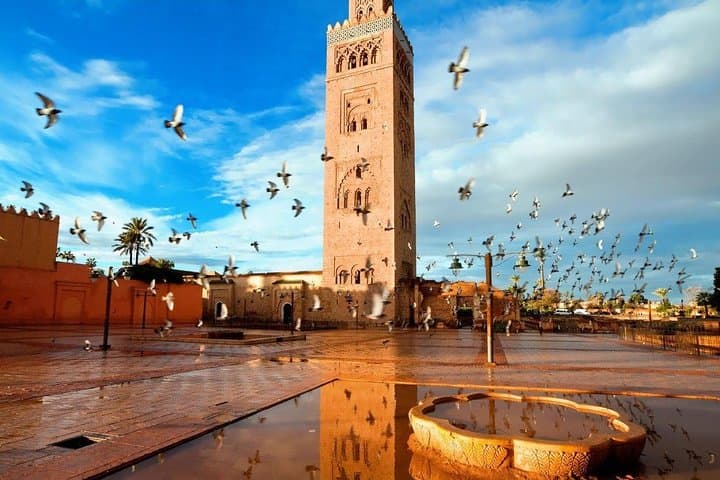
You pull out of Marrakech as palm shadow gives way to the climbing spine of the High Atlas; the road bends and the city’s red dust shrinks behind you. Over nine days this self-drive thread cuts through ochre kasbahs, palm-fringed oases and wind-sculpted dunes, finishing where it began: in the market hum of Jemaa el-Fnaa.
You pull out of Marrakech as palm shadow gives way to the climbing spine of the High Atlas; the road bends and the city’s red dust shrinks behind you. Over nine days this self-drive thread cuts through ochre kasbahs, palm-fringed oases and wind-sculpted dunes, finishing where it began: in the market hum of Jemaa el-Fnaa.
Geology and history here are hands-on: the High Atlas lifts ancient volcanic and metamorphic rock into dramatic passes, while the valleys below collect alluvial soils that have supported fortified earthen towns—ksars and kasbahs—since trans-Saharan caravan days. Ouarzazate and Ait Ben Haddou show the layered history of film sets, trade routes and imperial power; the Merzouga dunes demonstrate aeolian processes in living form as sand marches and ripples with the wind.
Local culture is direct and hospitable: you'll sleep in hotels, a desert bivouac and an ecolodge, trade dates and saffron in weekly souks, and meet communities whose lives still pivot on seasonal water and rose harvests in the Valley of Roses.
Practical guidance: plan 4–6 hours of daily driving between stops, factor in slower gravel sections near dunes, and reserve transfers to remote ecolodges. Carry cash, a full spare tire, and copies of car documentation; mobile signal is intermittent outside towns. Time dune walks for early morning or late afternoon to avoid extreme heat and to catch the desert light. With sensible preparation this itinerary balances accessible driving with genuine, varied desert and mountain landscapes—an efficient way to see southern Morocco’s layered terrain and living history.