THE ADVENTURE COLLECTIVE® · Independent discovery and booking for outdoor travel

Traverse the Annapurna Circuit to Tilicho Lake and Thorong La over roughly two weeks of changing landscapes, high passes, and traditional mountain villages. This trek blends high-altitude challenge with cultural stops like Muktinath and the Tibetan-like valleys of the Kali Gandaki.
Traverse the Annapurna Circuit to Tilicho Lake and Thorong La over roughly two weeks of changing landscapes, high passes, and traditional mountain villages. This trek blends high-altitude challenge with cultural stops like Muktinath and the Tibetan-like valleys of the Kali Gandaki.
Cold air bites at first light as you leave Pokhara and the Marshyangdi River unspools beside the jeep track. Over two weeks the landscape shifts from terraced rice slopes and apple orchards to wind-sculpted moraines and a high, thin sky that seems to push you forward. Tilicho Lake appears like a pale eye in a moonscape; Thorong La watches, demanding and patient.
Verified experiences and guided adventures in the surrounding area.
Operated by Swissa Adventure Travel & Treks · Manang, Gandaki Province
Cold air bites at first light as you leave Pokhara and the Marshyangdi River unspools beside the jeep track. Over two weeks the landscape shifts from terraced rice slopes and apple orchards to wind-sculpted moraines and a high, thin sky that seems to push you forward. Tilicho Lake appears like a pale eye in a moonscape; Thorong La watches, demanding and patient.
The route follows an old trade corridor between Kathmandu and Mustang, threaded through the Kali Gandaki gorge — one of the planet’s deepest — and past villages where Gurung, Thakali, and other ethnic groups maintain centuries-old mountain lifeways. Geologically the trek crosses young Himalaya ranges, with grey schists giving way to glacial moraine and scree on the high passes. Muktinath remains a living pilgrimage site, where Hindu and Buddhist traditions intersect at 3,700 m.
Practical guidance: this is a high-altitude, multi-day trek (roughly 13–14 days) with one acclimatization day at Manang. Expect daily walking of 4–8 hours on mixed terrain — dirt trails, rocky steps, and snowfields near passes. Pace conservatively approaching Thorong La (5,400 m); altitude, not distance, is the real challenge. Lodging is teahouse-style or basic guesthouses; plan layered clothing, a reliable sleeping bag rated to -10°C, and sturdy boots with ankle support. Carry cash — ATMs are sparse beyond Pokhara and Jomsom — and allow flexibility in your schedule for weather or acclimatization. Respect local customs: ask before photographing people and offer small gifts to host families. When rivers run fierce they’ll challenge your crossing skills; when they calm, they guide your way. This circuit rewards persistence with broad Himalayan panoramas and a clear sense of place few treks deliver.
challenging.
13–14 days.
Good cardiovascular fitness and prior multi-day trekking experience; able to hike 4–8 hours a day at altitude.
Yes — ACAP and TIMS permits are required for this region, and a certified English-speaking guide is recommended for safety and route navigation.
Thorong La is the trek’s highest point at about 5,400 m; plan acclimatization accordingly.
Teahouse-style lodges and guesthouses with basic rooms and shared bathrooms; meals are typically simple Dal bhat and noodles.
Spring (April–May) and fall (September–November) offer the most stable weather and clearer mountain views; winter can be very cold and summer monsoon brings heavy rain and cloud cover.
The circuit follows historic trade and pilgrimage routes linking traders and Buddhist and Hindu communities; Muktinath is a long-standing pilgrimage site for both faiths.
The Annapurna Conservation Area (ACAP) manages permits and promotes low-impact travel — pack out waste, avoid single-use plastics, and respect grazing areas.
Swissa Adventure Travel & Treks operates guided outdoor trips and adventures with an emphasis on safety, stewardship, and memorable experiences.
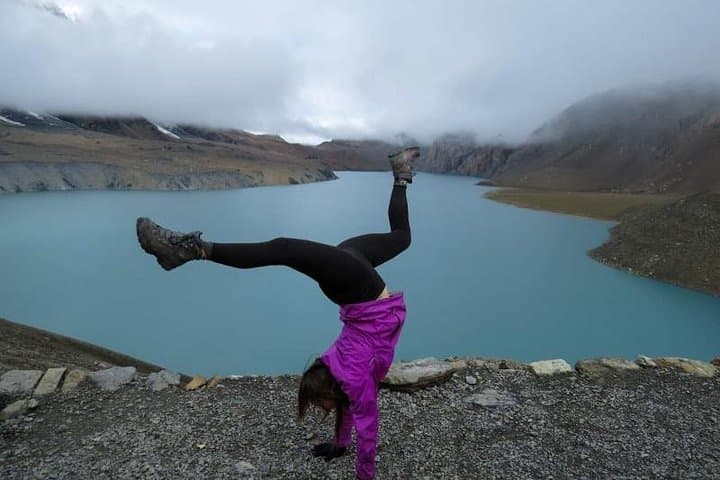
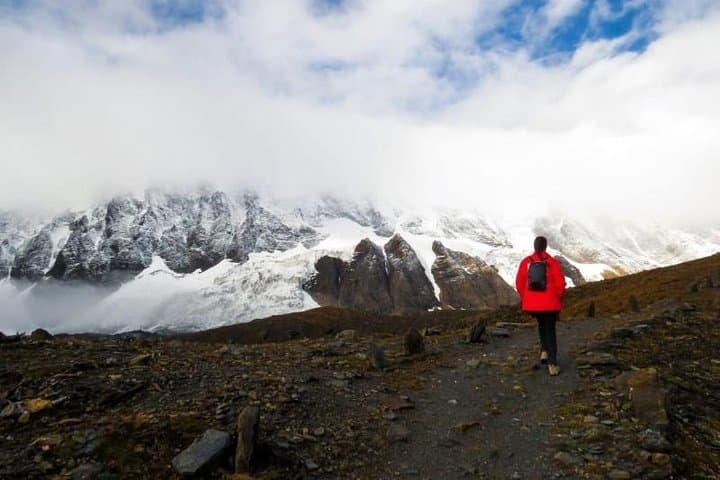
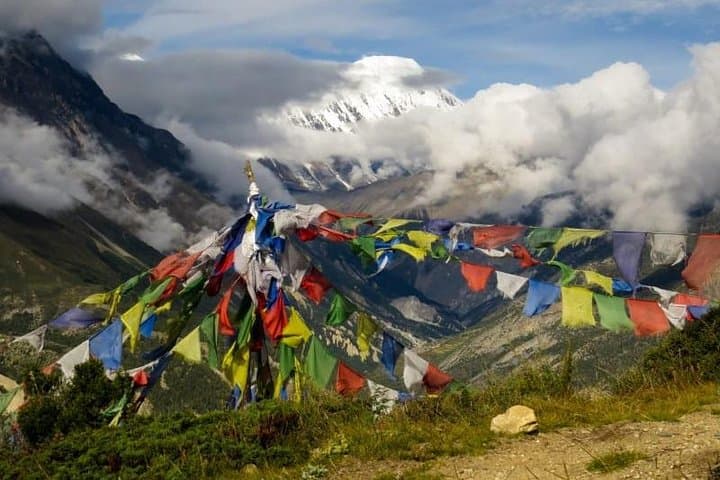
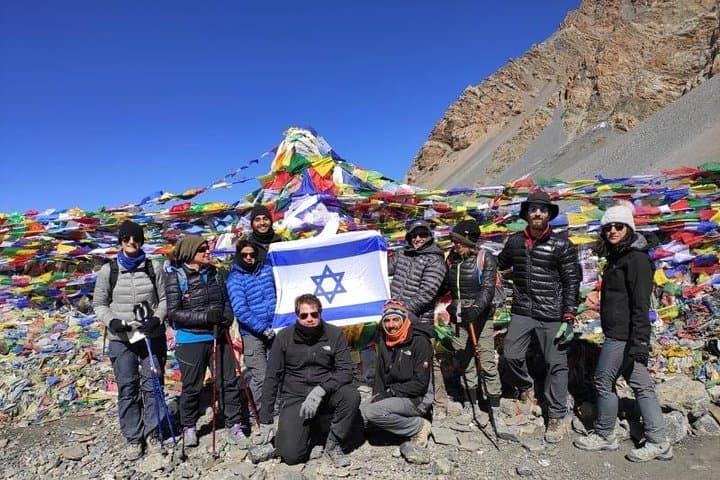
Cold air bites at first light as you leave Pokhara and the Marshyangdi River unspools beside the jeep track. Over two weeks the landscape shifts from terraced rice slopes and apple orchards to wind-sculpted moraines and a high, thin sky that seems to push you forward. Tilicho Lake appears like a pale eye in a moonscape; Thorong La watches, demanding and patient.
Cold air bites at first light as you leave Pokhara and the Marshyangdi River unspools beside the jeep track. Over two weeks the landscape shifts from terraced rice slopes and apple orchards to wind-sculpted moraines and a high, thin sky that seems to push you forward. Tilicho Lake appears like a pale eye in a moonscape; Thorong La watches, demanding and patient.
The route follows an old trade corridor between Kathmandu and Mustang, threaded through the Kali Gandaki gorge — one of the planet’s deepest — and past villages where Gurung, Thakali, and other ethnic groups maintain centuries-old mountain lifeways. Geologically the trek crosses young Himalaya ranges, with grey schists giving way to glacial moraine and scree on the high passes. Muktinath remains a living pilgrimage site, where Hindu and Buddhist traditions intersect at 3,700 m.
Practical guidance: this is a high-altitude, multi-day trek (roughly 13–14 days) with one acclimatization day at Manang. Expect daily walking of 4–8 hours on mixed terrain — dirt trails, rocky steps, and snowfields near passes. Pace conservatively approaching Thorong La (5,400 m); altitude, not distance, is the real challenge. Lodging is teahouse-style or basic guesthouses; plan layered clothing, a reliable sleeping bag rated to -10°C, and sturdy boots with ankle support. Carry cash — ATMs are sparse beyond Pokhara and Jomsom — and allow flexibility in your schedule for weather or acclimatization. Respect local customs: ask before photographing people and offer small gifts to host families. When rivers run fierce they’ll challenge your crossing skills; when they calm, they guide your way. This circuit rewards persistence with broad Himalayan panoramas and a clear sense of place few treks deliver.