THE ADVENTURE COLLECTIVE® · Independent discovery and booking for outdoor travel

Catch a ferry from Fremantle for a day on Rottnest Island: car-free roads, white-sand beaches, friendly quokkas and easy bike loops. This guide covers what to expect, practical tips, and local insights to make the most of your round trip.
Catch a ferry from Fremantle for a day on Rottnest Island: car-free roads, white-sand beaches, friendly quokkas and easy bike loops. This guide covers what to expect, practical tips, and local insights to make the most of your round trip.
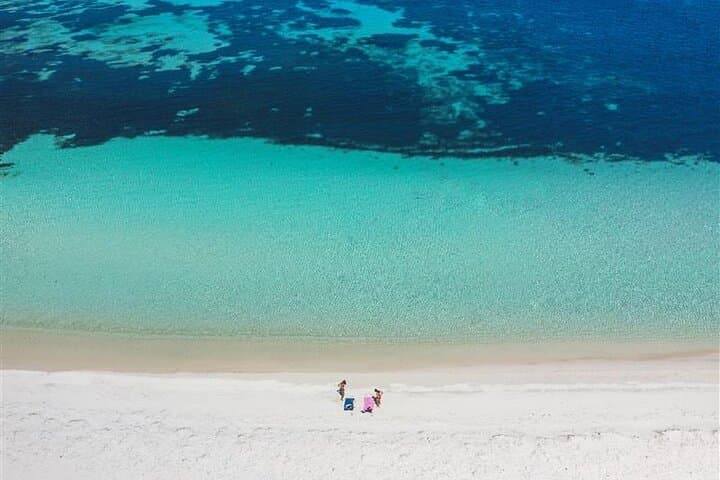
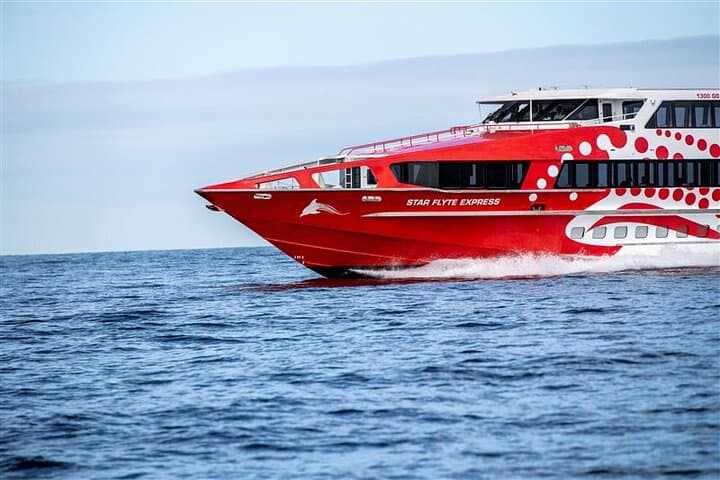
The ferry slips from Fremantle harbor and the coastline thins into open sea; gulls wheel and the ocean dares you to look farther. Within half an hour the island appears: low, reef-built, its pale sand lit by a sun that seems to hit harder offshore. Step ashore at Thomson Bay and the island’s quiet roads—free of cars—invite you to choose your pace.
Verified experiences and guided adventures in the surrounding area.
Operated by Rottnest Express · Rottnest Island, Western Australia
The ferry slips from Fremantle harbor and the coastline thins into open sea; gulls wheel and the ocean dares you to look farther. Within half an hour the island appears: low, reef-built, its pale sand lit by a sun that seems to hit harder offshore. Step ashore at Thomson Bay and the island’s quiet roads—free of cars—invite you to choose your pace.
Rottnest (Wadjemup to the Whadjuk Noongar) is a raised limestone platform shaped by rising seas and wind-blown sand over millennia. European contact brought a mix of maritime, military and penal histories—sites like the Salt Store and old barracks mark those layers—while the island’s modern identity centers on beaches, reefs and the famously approachable quokka.
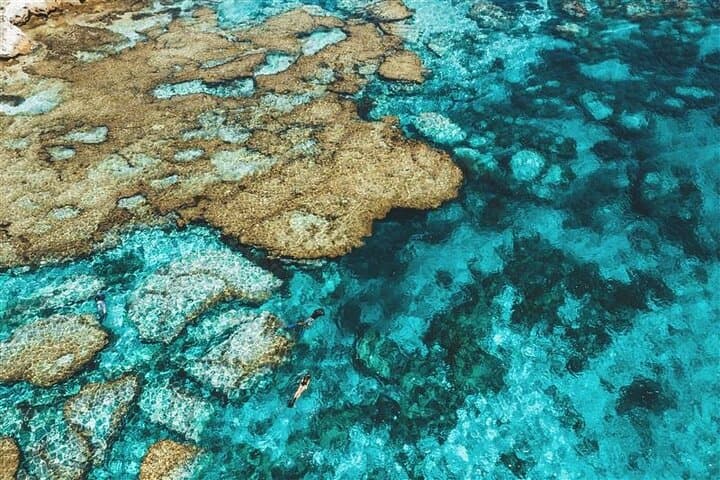
Spend a day circling bays, snorkeling reefs, or renting a bike to traverse the roughly 11 km of main roads that link 20 bays and 63 beaches. The Basin and Little Salmon Bay offer calm snorkeling; Parker Point and West End show wind and swell at work on raw cliffs. The Rottnest Island Authority maintains paths and cultural sites, and entry fees contribute to conservation.
Practical guidance: bring strong sun protection, a refillable water bottle, and comfortable shoes for mixed sand and paved riding. Bike rentals and tour options are available but paid on-island—book in season if you need one. Ferries return in the afternoon, so plan your loop to avoid last-minute sprints. Respect wildlife: don’t feed quokkas and keep distance from seabird colonies. A day here is simple logistics and raw coastal pleasure—easy to plan, rich in light, wind and small discoveries.
easy.
Flexible (typical day trip 4–8 hours including ferries).
Low to moderate — basic walking and cycling fitness for several hours is sufficient
Ferry time varies by operator; expect approximately 25–45 minutes on fast services—check your provider for exact timings.
This particular ferry option includes the Rottnest Island Authority fee in the ticket, but on-island activities (bike rentals, tours) are extra.
You can rent bikes at Thomson Bay on arrival (paid locally) or bring your own aboard subject to operator rules—reserve rentals in high season.
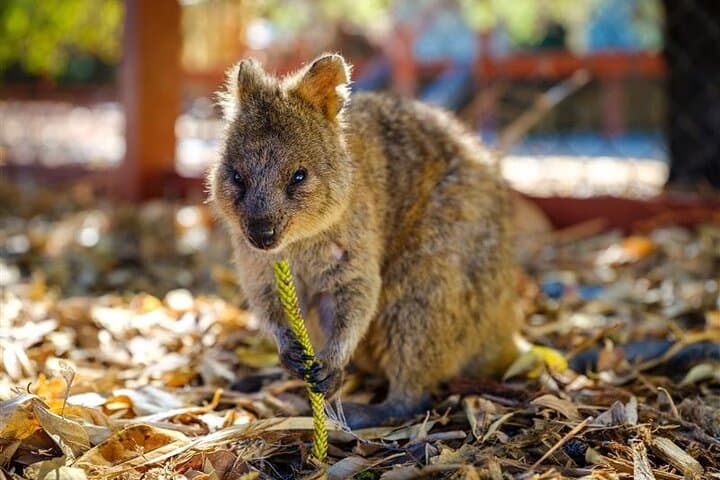
Quokkas are common near settlement areas, but feeding or handling is prohibited—observe respectfully and photograph from a short distance.
Known as Wadjemup to the Whadjuk Noongar, the island has layers of Aboriginal significance and later European use including maritime, military and penal sites.
The Rottnest Island Authority manages visitor impact; follow signage, avoid feeding wildlife, and use refill stations to reduce plastic waste.
Rottnest Express operates guided outdoor trips and adventures with an emphasis on safety, stewardship, and memorable experiences.
The ferry slips from Fremantle harbor and the coastline thins into open sea; gulls wheel and the ocean dares you to look farther. Within half an hour the island appears: low, reef-built, its pale sand lit by a sun that seems to hit harder offshore. Step ashore at Thomson Bay and the island’s quiet roads—free of cars—invite you to choose your pace.
The ferry slips from Fremantle harbor and the coastline thins into open sea; gulls wheel and the ocean dares you to look farther. Within half an hour the island appears: low, reef-built, its pale sand lit by a sun that seems to hit harder offshore. Step ashore at Thomson Bay and the island’s quiet roads—free of cars—invite you to choose your pace.
Rottnest (Wadjemup to the Whadjuk Noongar) is a raised limestone platform shaped by rising seas and wind-blown sand over millennia. European contact brought a mix of maritime, military and penal histories—sites like the Salt Store and old barracks mark those layers—while the island’s modern identity centers on beaches, reefs and the famously approachable quokka.
Spend a day circling bays, snorkeling reefs, or renting a bike to traverse the roughly 11 km of main roads that link 20 bays and 63 beaches. The Basin and Little Salmon Bay offer calm snorkeling; Parker Point and West End show wind and swell at work on raw cliffs. The Rottnest Island Authority maintains paths and cultural sites, and entry fees contribute to conservation.
Practical guidance: bring strong sun protection, a refillable water bottle, and comfortable shoes for mixed sand and paved riding. Bike rentals and tour options are available but paid on-island—book in season if you need one. Ferries return in the afternoon, so plan your loop to avoid last-minute sprints. Respect wildlife: don’t feed quokkas and keep distance from seabird colonies. A day here is simple logistics and raw coastal pleasure—easy to plan, rich in light, wind and small discoveries.