THE ADVENTURE COLLECTIVE® · Independent discovery and booking for outdoor travel

Catch the early ferry from Perth and spend a day exploring Wadjemup (Rottnest Island): limestone cliffs, car-free roads, and curious quokkas await. Learn the island’s history and practical tips for a smooth, sun-smart visit.
Catch the early ferry from Perth and spend a day exploring Wadjemup (Rottnest Island): limestone cliffs, car-free roads, and curious quokkas await. Learn the island’s history and practical tips for a smooth, sun-smart visit.
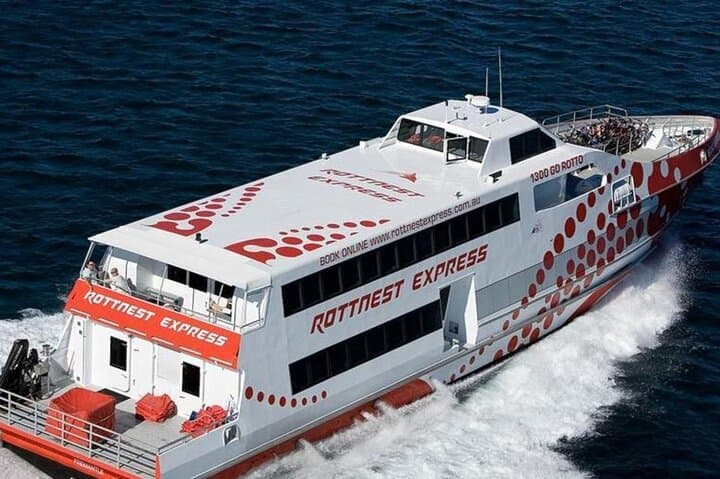
Morning light slices across the Swan River as the ferry pulls away from Barrack Street jetty, Perth shrinking into a line of glass and gum trees.
Verified experiences and guided adventures in the surrounding area.
Operated by Rottnest Express · Rottnest Island, Western Australia
Morning light slices across the Swan River as the ferry pulls away from Barrack Street jetty, Perth shrinking into a line of glass and gum trees.
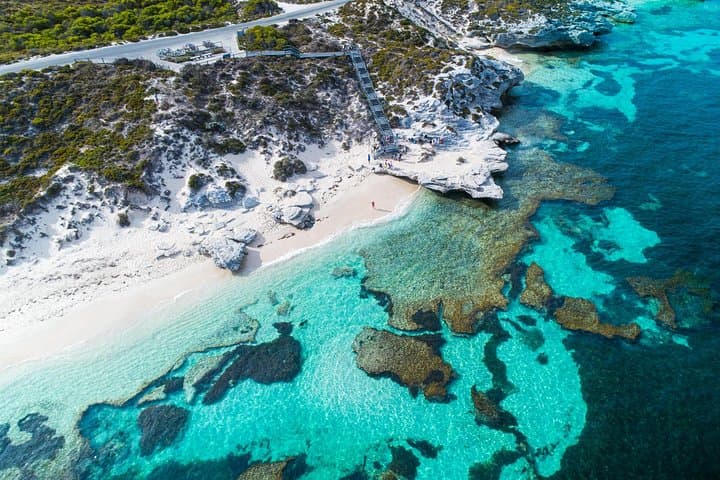
Within an hour you’re skimming blue water toward Wadjemup — the Noongar name for Rottnest Island — where wind-sculpted dunes, limestone cliffs and more than 60 beaches break the horizon. The island’s geology is compact: aeolian limestone over a base of Tamala Limestone, carved by wind and spray into small headlands and sheltered bays that change tone with the tide.
History sits close to the shore. Rottnest was a seasonal home and sacred site for the Whadjuk people, later a penal colony and military post; plaques and small museums trace those layers alongside lighthouses and old cottages.
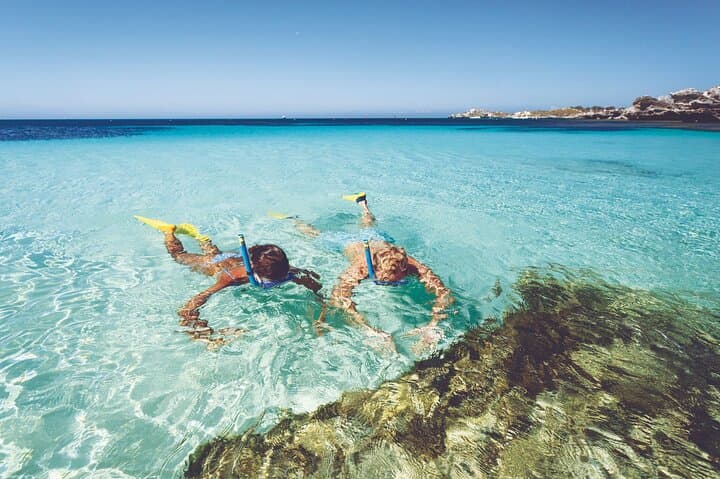
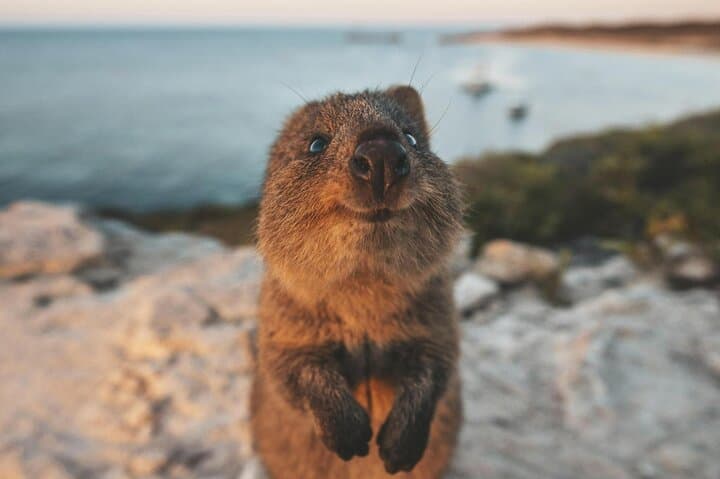
On arrival, expect a car-free network of paved roads and sandy tracks. Quokkas — famously curious wallabies — wander the grass near cafés and the museum. Bays dare you to swim, snorkel or paddle, while bike paths invite a steady pedal between points of interest. Facilities are tourist-friendly: cafés, bike rentals, a small museum and clear signage.
Practical guidance: arrive 30 minutes early for boarding, carry your island entry fee (often included via the ferry ticket), and plan a full-day outing to make the most of ferry schedules. Bring reef shoes for rocky entry points, reef-safe sunscreen, and a lightweight wind layer; conditions change quickly offshore. If you want guided walks or water activities, book ahead — self-guided exploration is straightforward but popular in peak season.
easy.
Flexible (half-day to full-day, typical full day).
Suitable for most fitness levels; moderate walking or cycling recommended for bay-to-bay exploration
The trip from Perth via the Swan River and Fremantle to Rottnest typically takes about 1.5–2 hours depending on the route and stops; direct services from Fremantle are around 25–30 minutes.
Yes—Rottnest Island Authority fees are typically included with many ferry tickets, but always check your booking; some activities and rentals are extra.
Yes, you can bring your own bike on some services but check ferry operator rules and space limitations; otherwise bike rentals are available on the island.
Only approved assistance animals are permitted; general pets are not permitted to protect native wildlife and habitats.
Rottnest (Wadjemup) holds deep Aboriginal significance and later served as a penal settlement and military site; small museums and heritage buildings outline these stories.
The island is a declared nature reserve and marine protected area; visitors are encouraged to use reef-safe products, stick to paths and avoid disturbing wildlife to minimize impact.
Rottnest Express operates guided outdoor trips and adventures with an emphasis on safety, stewardship, and memorable experiences.
Morning light slices across the Swan River as the ferry pulls away from Barrack Street jetty, Perth shrinking into a line of glass and gum trees.
Morning light slices across the Swan River as the ferry pulls away from Barrack Street jetty, Perth shrinking into a line of glass and gum trees.
Within an hour you’re skimming blue water toward Wadjemup — the Noongar name for Rottnest Island — where wind-sculpted dunes, limestone cliffs and more than 60 beaches break the horizon. The island’s geology is compact: aeolian limestone over a base of Tamala Limestone, carved by wind and spray into small headlands and sheltered bays that change tone with the tide.
History sits close to the shore. Rottnest was a seasonal home and sacred site for the Whadjuk people, later a penal colony and military post; plaques and small museums trace those layers alongside lighthouses and old cottages.
On arrival, expect a car-free network of paved roads and sandy tracks. Quokkas — famously curious wallabies — wander the grass near cafés and the museum. Bays dare you to swim, snorkel or paddle, while bike paths invite a steady pedal between points of interest. Facilities are tourist-friendly: cafés, bike rentals, a small museum and clear signage.
Practical guidance: arrive 30 minutes early for boarding, carry your island entry fee (often included via the ferry ticket), and plan a full-day outing to make the most of ferry schedules. Bring reef shoes for rocky entry points, reef-safe sunscreen, and a lightweight wind layer; conditions change quickly offshore. If you want guided walks or water activities, book ahead — self-guided exploration is straightforward but popular in peak season.