THE ADVENTURE COLLECTIVE® · Independent discovery and booking for outdoor travel

Catch a ferry from Perth or Fremantle for a full‑day loop of Rottnest Island: a 90‑minute guided coach tour plus free time to bike, swim and explore the west‑end boardwalk. Practical, scenic, and rich in natural history.
Catch a ferry from Perth or Fremantle for a full‑day loop of Rottnest Island: a 90‑minute guided coach tour plus free time to bike, swim and explore the west‑end boardwalk. Practical, scenic, and rich in natural history.
You step off the ferry and the air changes — salt and sun replace the city. Low limestone cliffs and pale beaches edge a compact island where the roads are for bicycles and the quokkas move like small, confident citizens. The coach waits for a 90‑minute loop that turns the island into a practical primer: lighthouse, west‑end boardwalk, and viewpoints that show the ocean’s different blues.
Verified experiences and guided adventures in the surrounding area.
Operated by Rottnest Express · Rottnest Island, Western Australia
You step off the ferry and the air changes — salt and sun replace the city. Low limestone cliffs and pale beaches edge a compact island where the roads are for bicycles and the quokkas move like small, confident citizens. The coach waits for a 90‑minute loop that turns the island into a practical primer: lighthouse, west‑end boardwalk, and viewpoints that show the ocean’s different blues.
Geology here is plain and visible: wind‑cemented sand and ancient marine limestone (aeolianite) shaped by sea level shifts. Wadjemup — the Noongar name for the island — holds layers of history: Aboriginal seasonal use, 19th‑century lighthouse works, and later military and penal sites that visitors glimpse from the tour commentary. The island’s culture now centers on conservation, visitor education, and low‑impact recreation.
Expect the practical rhythm of the day: a morning ferry from Perth or Fremantle, a guided coach circuit with a brief lighthouse stop, a longer west‑end boardwalk visit, then several hours of independent time on beaches, short trails, or cycling around car‑free roads before the return ferry.
Plan for sun, wind, and easy walking: even a short stroll across sand can feel longer under a hot sun. Bring a filled water bottle, sturdy sandals or walking shoes, and a light wind layer. Bike rental is the most efficient way to see the island during free time; swimming and snorkeling are popular at protected coves. Wildlife encounters are frequent — quokkas are tame but should not be fed — and the island’s small scale rewards a paced, observant visit.
easy.
8 hours.
Suitable for most fitness levels; expect light walking and optional cycling during free time
The full experience is about 8 hours: ferry crossings and a 90‑minute coach tour plus free time on the island.
Day‑trip ferries typically allow small daypacks; check with the ferry operator for large items or hotel pickups.
Yes—cafés and kiosks operate seasonally; you can bring your own picnic but be aware of waste rules and limited refrigeration.
Key sites and some paths are wheelchair accessible, and transport options note accessibility—contact the operator in advance to confirm arrangements.
Wadjemup (Rottnest) was used seasonally by Noongar peoples and later hosted lighthouse construction, military installations and a 19th–20th century penal settlement.
Rottnest manages visitor numbers, waste and protected marine areas—stick to marked trails, carry out rubbish, and avoid feeding wildlife to limit ecological impact.
Rottnest Express operates guided outdoor trips and adventures with an emphasis on safety, stewardship, and memorable experiences.
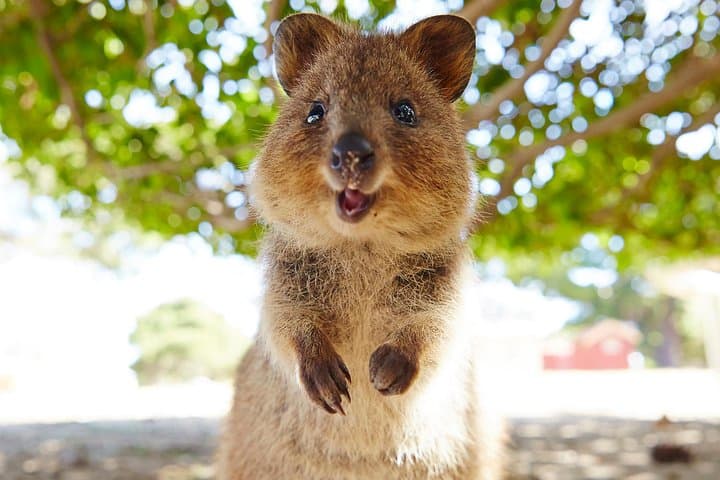
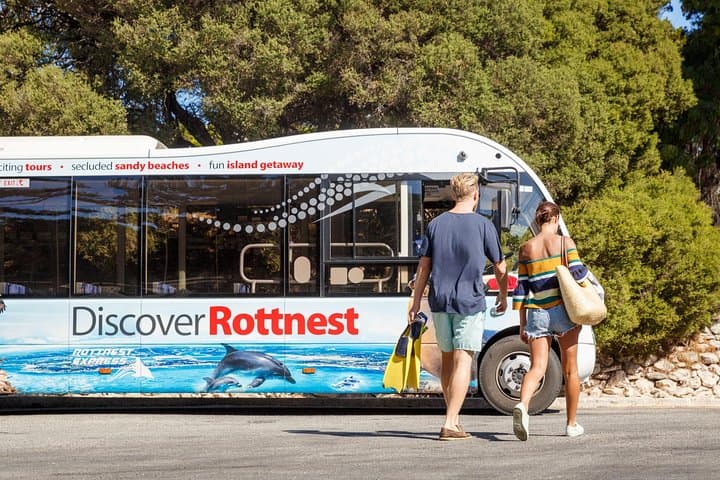
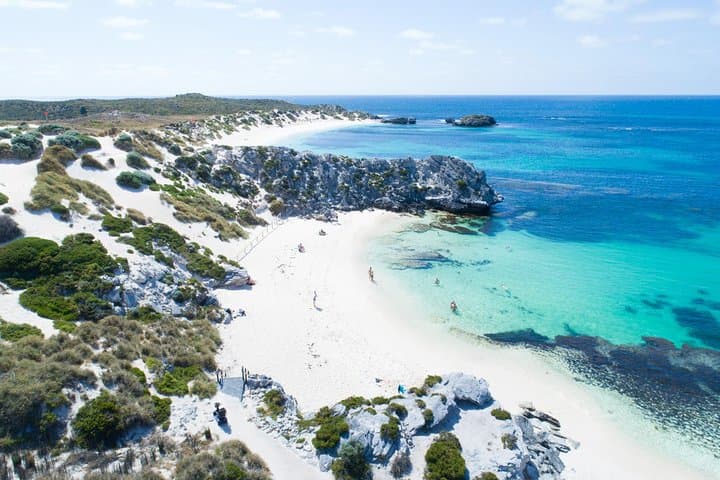
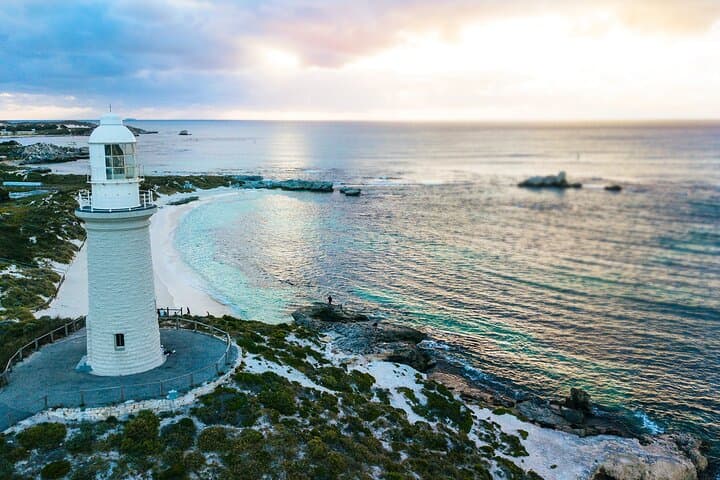
You step off the ferry and the air changes — salt and sun replace the city. Low limestone cliffs and pale beaches edge a compact island where the roads are for bicycles and the quokkas move like small, confident citizens. The coach waits for a 90‑minute loop that turns the island into a practical primer: lighthouse, west‑end boardwalk, and viewpoints that show the ocean’s different blues.
You step off the ferry and the air changes — salt and sun replace the city. Low limestone cliffs and pale beaches edge a compact island where the roads are for bicycles and the quokkas move like small, confident citizens. The coach waits for a 90‑minute loop that turns the island into a practical primer: lighthouse, west‑end boardwalk, and viewpoints that show the ocean’s different blues.
Geology here is plain and visible: wind‑cemented sand and ancient marine limestone (aeolianite) shaped by sea level shifts. Wadjemup — the Noongar name for the island — holds layers of history: Aboriginal seasonal use, 19th‑century lighthouse works, and later military and penal sites that visitors glimpse from the tour commentary. The island’s culture now centers on conservation, visitor education, and low‑impact recreation.
Expect the practical rhythm of the day: a morning ferry from Perth or Fremantle, a guided coach circuit with a brief lighthouse stop, a longer west‑end boardwalk visit, then several hours of independent time on beaches, short trails, or cycling around car‑free roads before the return ferry.
Plan for sun, wind, and easy walking: even a short stroll across sand can feel longer under a hot sun. Bring a filled water bottle, sturdy sandals or walking shoes, and a light wind layer. Bike rental is the most efficient way to see the island during free time; swimming and snorkeling are popular at protected coves. Wildlife encounters are frequent — quokkas are tame but should not be fed — and the island’s small scale rewards a paced, observant visit.