THE ADVENTURE COLLECTIVE® · Independent discovery and booking for outdoor travel

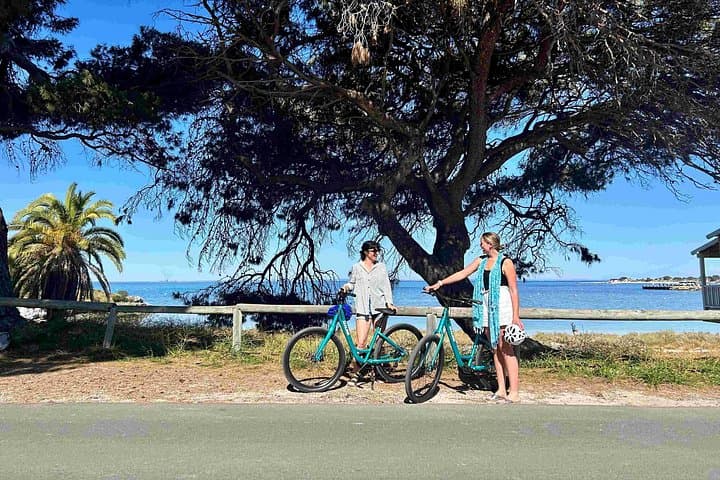
Ride across a low, wind‑scoured island of limestone and pink sand with a same‑day return ferry from Fremantle. This package supplies a bike, helmet and lock—perfect for covering Rottnest’s 63 beaches on a manageable 20–25 km loop.
Ride across a low, wind‑scoured island of limestone and pink sand with a same‑day return ferry from Fremantle. This package supplies a bike, helmet and lock—perfect for covering Rottnest’s 63 beaches on a manageable 20–25 km loop.
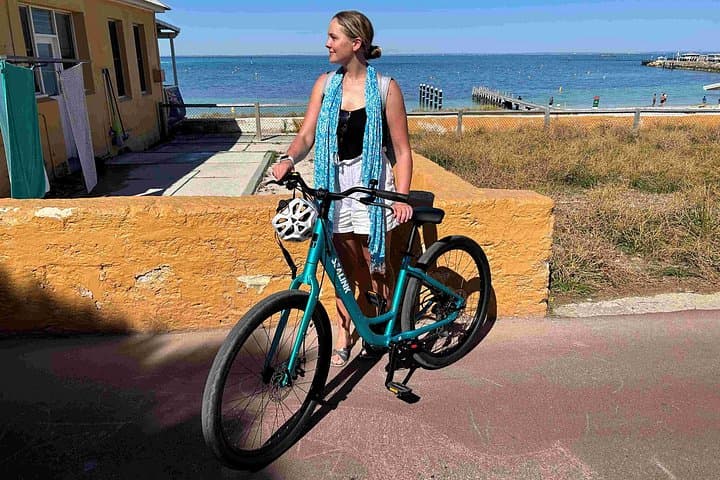
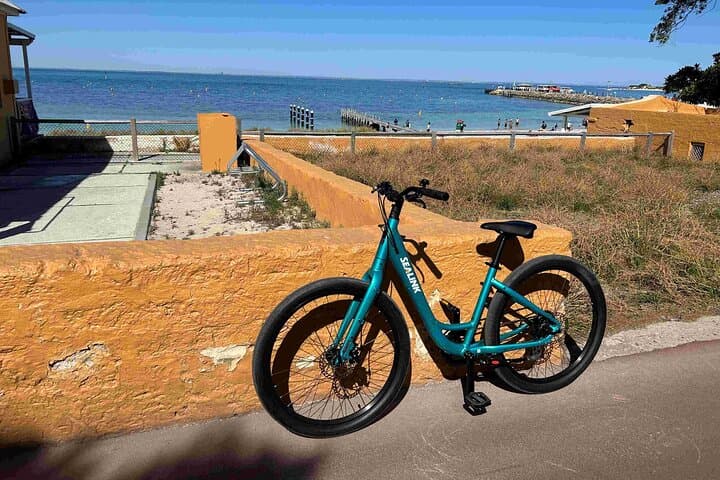
You step onto the blue SeaLink ferry in Fremantle as the harbour spray wakes your skin; gulls wheel and the mainland shrinks until only a low rim of limestone and scrub marks Rottnest Island on the horizon. The crossing is brief — about 25–30 minutes — and when the ferry slips into Thomson Bay the crew meet you on the jetty with a helmet, lock and a sturdy adult bike.
Verified experiences and guided adventures in the surrounding area.
Operated by Captain Cook Cruises (WA) · Rottnest Island, Western Australia
You step onto the blue SeaLink ferry in Fremantle as the harbour spray wakes your skin; gulls wheel and the mainland shrinks until only a low rim of limestone and scrub marks Rottnest Island on the horizon. The crossing is brief — about 25–30 minutes — and when the ferry slips into Thomson Bay the crew meet you on the jetty with a helmet, lock and a sturdy adult bike.
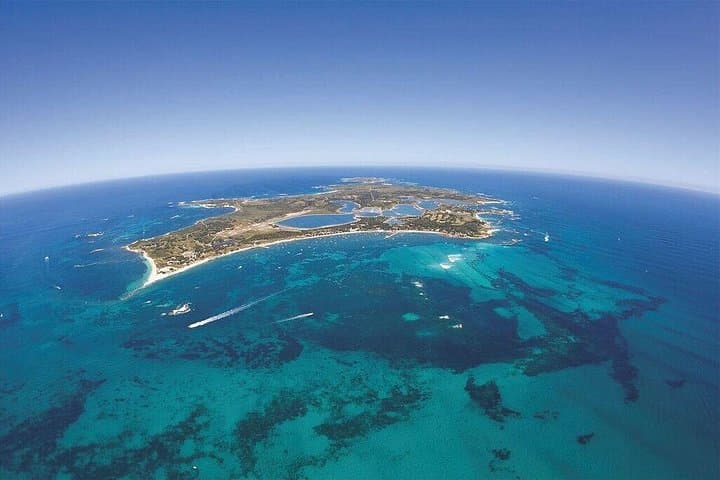
Rottnest is an A Class Reserve whose sandy coves and exposed reef shelves were carved from ancient Tamala Limestone. Dutch explorers mistook the island’s small marsupial population for giant rats and named it “Rotte Nest” — the name stuck even as quokkas became the island’s emblem. The island’s history also includes Noongar connection to Country and post‑colonial maritime use, visible in old jetties and lighthouse sites.
The riding is straightforward: a roughly 20–25 km coastal loop on mostly sealed roads with short gravel spits and sandy approaches to beaches. Elevation is minimal (short rises to 30–45 m), but coastal winds and sun are the real challenges—the landscape pushes you along with open views and salt‑scented scrub.
Practical guidance: plan a full day (6–8 hours on‑island), carry 2–3 L water, use high‑SPF sun protection, and wear closed shoes for reef edges. Bikes must be collected by an adult and returned to the ferry crew before boarding; return ferry commonly departs late afternoon (standard option 4:00 pm). Expect on‑island cafés, short walking trails to lookouts, and strict conservation rules — stay on paths and pack out any waste. This trip is a compact, accessible way to experience Rottnest’s beaches, quokkas and shoreline geology by human power and sea.
moderate.
6–8 hours.
Suitable for people with moderate fitness who can cycle 20–30 km on mostly flat terrain; ability to handle crosswinds recommended.
The SeaLink ferry crossing typically takes about 25–30 minutes each way, though schedules vary by season and operator.
Yes — helmets and a bike lock are included with the package and issued on the jetty as you disembark the ferry.
This package supplies adult‑size bikes only; children must be accompanied and operators may offer separate family options—check with the provider for child equipment.
The standard return is late afternoon (often 4:00 pm); alternative return times may be available but require contacting the operator in advance.
Named by Dutch explorers who mistook quokkas for giant rats, Rottnest has layered history from Noongar visitation to maritime navigation and tourism.
Rottnest is an A Class Reserve with strict rules: stay on marked paths, don’t feed wildlife, and pack out rubbish to protect fragile dune and reef systems.
Captain Cook Cruises (WA) operates guided outdoor trips and adventures with an emphasis on safety, stewardship, and memorable experiences.
You step onto the blue SeaLink ferry in Fremantle as the harbour spray wakes your skin; gulls wheel and the mainland shrinks until only a low rim of limestone and scrub marks Rottnest Island on the horizon. The crossing is brief — about 25–30 minutes — and when the ferry slips into Thomson Bay the crew meet you on the jetty with a helmet, lock and a sturdy adult bike.
You step onto the blue SeaLink ferry in Fremantle as the harbour spray wakes your skin; gulls wheel and the mainland shrinks until only a low rim of limestone and scrub marks Rottnest Island on the horizon. The crossing is brief — about 25–30 minutes — and when the ferry slips into Thomson Bay the crew meet you on the jetty with a helmet, lock and a sturdy adult bike.
Rottnest is an A Class Reserve whose sandy coves and exposed reef shelves were carved from ancient Tamala Limestone. Dutch explorers mistook the island’s small marsupial population for giant rats and named it “Rotte Nest” — the name stuck even as quokkas became the island’s emblem. The island’s history also includes Noongar connection to Country and post‑colonial maritime use, visible in old jetties and lighthouse sites.
The riding is straightforward: a roughly 20–25 km coastal loop on mostly sealed roads with short gravel spits and sandy approaches to beaches. Elevation is minimal (short rises to 30–45 m), but coastal winds and sun are the real challenges—the landscape pushes you along with open views and salt‑scented scrub.
Practical guidance: plan a full day (6–8 hours on‑island), carry 2–3 L water, use high‑SPF sun protection, and wear closed shoes for reef edges. Bikes must be collected by an adult and returned to the ferry crew before boarding; return ferry commonly departs late afternoon (standard option 4:00 pm). Expect on‑island cafés, short walking trails to lookouts, and strict conservation rules — stay on paths and pack out any waste. This trip is a compact, accessible way to experience Rottnest’s beaches, quokkas and shoreline geology by human power and sea.