THE ADVENTURE COLLECTIVE® · Independent discovery and booking for outdoor travel

A private full-day tour linking Rotorua’s geothermal boardwalks with Taupo’s thunderous Huka Falls. Experience bubbling mud pools, electric mineral pools, and a powerful river gorge, all with an experienced local guide and private transport.
A private full-day tour linking Rotorua’s geothermal boardwalks with Taupo’s thunderous Huka Falls. Experience bubbling mud pools, electric mineral pools, and a powerful river gorge, all with an experienced local guide and private transport.
Steam lifts off the ground like a slow exhale as the private vehicle threads past yellow-barked pines toward Waiotapu. The air smells faintly of sulfur; glassy pools wink electric greens and ochres beneath wooden boardwalks. Later, the Waikato River hurries with intent, forcing its way through a narrow gorge at Huka Falls and throwing spray that cools the face.
Verified experiences and guided adventures in the surrounding area.
Operated by taxiGo Limo Airport Service · Rotorua, Bay of Plenty
Steam lifts off the ground like a slow exhale as the private vehicle threads past yellow-barked pines toward Waiotapu. The air smells faintly of sulfur; glassy pools wink electric greens and ochres beneath wooden boardwalks. Later, the Waikato River hurries with intent, forcing its way through a narrow gorge at Huka Falls and throwing spray that cools the face.
This route traces the North Island’s volcanic story: Lake Taupo sits in a massive caldera formed by New Zealand’s largest eruptions, and the geothermal fields around Rotorua and Waiotapu are surface expressions of that heat. Maori settlements used and managed these thermal features for centuries; in Rotorua you’ll see ongoing cultural practice and crafts tied to that relationship with the land.
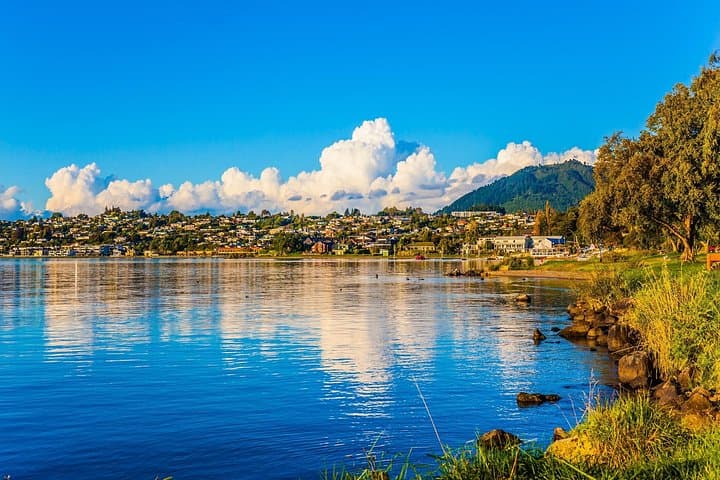
Expect easy, well-marked boardwalks at Waiotapu (roughly 1–2 km of paths, minimal elevation), short viewing walks to Huka Falls (under 1 km on compact trails), and a lakeside stop in Taupo for photos or a brief stroll. The tour is private and vehicle-supported, so distances between sites are driven—plan for a full-day outing.
Practical notes: wear sturdy walking shoes and a light, waterproof layer; geothermal steam can hide slick patches and weather changes fast. Carry water, sun protection, and a camera with a polarizer for vivid pool colors. Respect signage at thermal areas—stay on the boardwalks—and leave no trace around culturally significant sites. Your guide provides local context and free time to explore, making this a comfortable way to see dramatic geology, rushing water, and living Maori culture in a single day.
easy.
10–11 hours.
Suitable for most fitness levels; involves short, flat walks on boardwalks and viewpoints and extended time in a vehicle.
Most viewpoints and boardwalks have public access but some attractions may charge separate admission; confirm with the operator before booking.
Yes—infant seats are available and walks are short, but supervision is needed near water and thermal areas; not recommended for those with severe mobility issues.
Expect short, easy walks: Waiotapu boardwalks total around 1–2 km and the Huka Falls viewpoints require under 1 km of walking, mostly flat.
This specific tour lists all sales final with no refunds; check booking terms carefully before purchase.
The Rotorua–Taupo corridor sits on the Taupo Volcanic Zone; Maori communities have long used geothermal resources for cooking and bathing and continue cultural practices in Rotorua.
Thermal areas are ecologically sensitive—stay on designated paths, avoid introducing contaminants, and follow local guidance to reduce impact.
taxiGo Limo Airport Service operates guided outdoor trips and adventures with an emphasis on safety, stewardship, and memorable experiences.
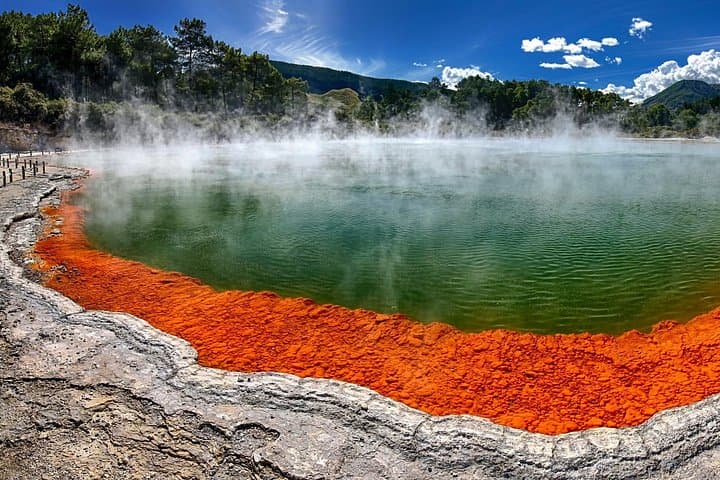

Steam lifts off the ground like a slow exhale as the private vehicle threads past yellow-barked pines toward Waiotapu. The air smells faintly of sulfur; glassy pools wink electric greens and ochres beneath wooden boardwalks. Later, the Waikato River hurries with intent, forcing its way through a narrow gorge at Huka Falls and throwing spray that cools the face.
Steam lifts off the ground like a slow exhale as the private vehicle threads past yellow-barked pines toward Waiotapu. The air smells faintly of sulfur; glassy pools wink electric greens and ochres beneath wooden boardwalks. Later, the Waikato River hurries with intent, forcing its way through a narrow gorge at Huka Falls and throwing spray that cools the face.
This route traces the North Island’s volcanic story: Lake Taupo sits in a massive caldera formed by New Zealand’s largest eruptions, and the geothermal fields around Rotorua and Waiotapu are surface expressions of that heat. Maori settlements used and managed these thermal features for centuries; in Rotorua you’ll see ongoing cultural practice and crafts tied to that relationship with the land.
Expect easy, well-marked boardwalks at Waiotapu (roughly 1–2 km of paths, minimal elevation), short viewing walks to Huka Falls (under 1 km on compact trails), and a lakeside stop in Taupo for photos or a brief stroll. The tour is private and vehicle-supported, so distances between sites are driven—plan for a full-day outing.
Practical notes: wear sturdy walking shoes and a light, waterproof layer; geothermal steam can hide slick patches and weather changes fast. Carry water, sun protection, and a camera with a polarizer for vivid pool colors. Respect signage at thermal areas—stay on the boardwalks—and leave no trace around culturally significant sites. Your guide provides local context and free time to explore, making this a comfortable way to see dramatic geology, rushing water, and living Maori culture in a single day.