THE ADVENTURE COLLECTIVE® · Independent discovery and booking for outdoor travel

Spend a full day with local birders exploring Rotorua’s forests, wetlands and estuaries in search of New Zealand’s endemic birds. This guided tour combines vehicle transfers and short hikes to maximize sightings across varied habitats.
Spend a full day with local birders exploring Rotorua’s forests, wetlands and estuaries in search of New Zealand’s endemic birds. This guided tour combines vehicle transfers and short hikes to maximize sightings across varied habitats.
The morning air in Rotorua feels slightly metallic from the geothermal steam, but the forest paths are cool and alive with call-and-response songs. On this one-day birding adventure you move slowly through stands of tall rimu and pines, skirt reed beds that fringe glassy lakes, and scan estuary mudflats where shorebirds probe the mud. An experienced local birder leads the group, their keen eyes and quiet signals turning rustle and silhouette into species identification.
Verified experiences and guided adventures in the surrounding area.
Operated by Foris Eco Tours · Rotorua, Bay of Plenty
The morning air in Rotorua feels slightly metallic from the geothermal steam, but the forest paths are cool and alive with call-and-response songs. On this one-day birding adventure you move slowly through stands of tall rimu and pines, skirt reed beds that fringe glassy lakes, and scan estuary mudflats where shorebirds probe the mud. An experienced local birder leads the group, their keen eyes and quiet signals turning rustle and silhouette into species identification.
This region sits on volcanic highlands shaped by the Taupo Rift; pumice soils and geothermal features influence where forests and wetlands persist. Māori have long read the land and birdlife as indicators of food, season and water—many place names and stories still connect cultural practice to local birds. Conservation here is active: trapping and predator control in reserves help protect endangered endemics.
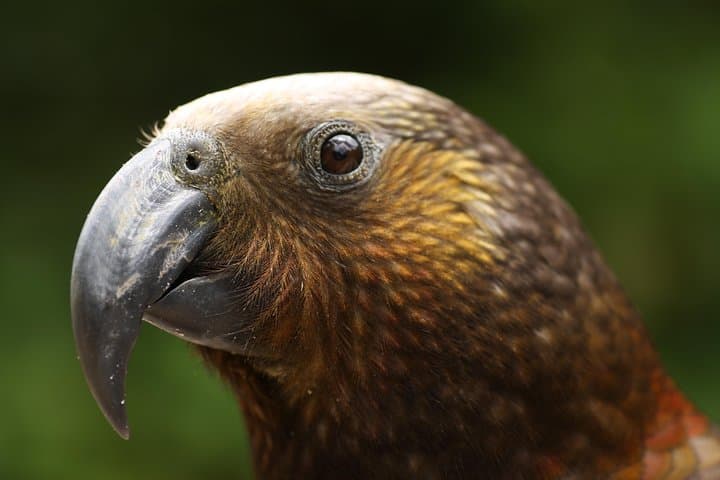
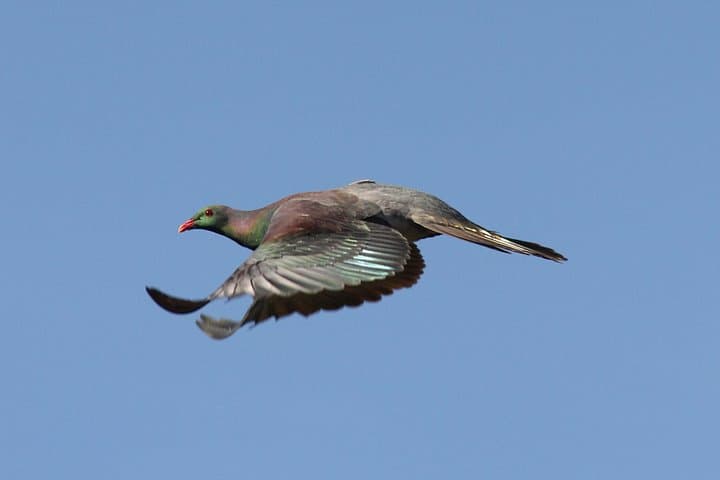
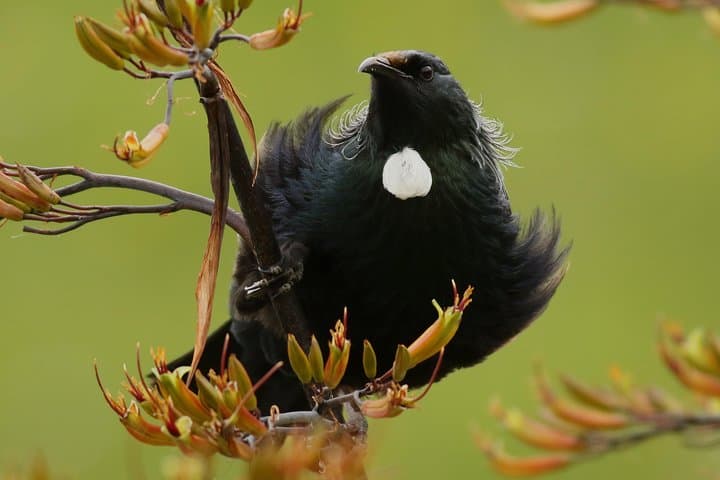
Practically, expect a full 7‑hour day that mixes short hikes, vehicle transfers between sites and long periods of observation. Lunch is included and transport is provided from selected Rotorua hotels. Trails range from flat boardwalks through wetlands to uneven forest tracks—sturdy footwear and waterproof layers are wise. Binoculars and a field guide speed up sightings; your guide will point out tūī, kererū and wetland specialists and explain calls.
This trip suits travelers with moderate fitness who enjoy patient, focused observation more than strenuous hiking. Timing matters: early morning and late afternoon concentrate activity, while calm, overcast weather can improve sighting chances. Respect local rules—stay on tracks, don't feed wildlife, and keep voices low to preserve bird behavior and local conservation efforts.
moderate.
7 hours.
Moderate fitness—comfortable walking on uneven forest tracks and standing for extended observation periods
Binoculars are highly recommended; some guides may have loaners but bringing your own ensures consistent optics and hygiene.
Transport by private vehicle and lunch are included; selected hotels in Rotorua may have pickup and drop‑off available—confirm at booking.
Guides maximize chances by visiting multiple habitats, but sightings cannot be guaranteed—the tour increases probability by targeting known sites for endemics.
The tour requires moderate fitness and is limited to participants 18 and over; it includes short hikes and standing periods, so limited mobility may make full participation difficult.
Rotorua’s lakes and surrounding forests have long been important to local Māori for food, seasonal cycles and place-based knowledge; many bird names and hunting practices reflect that relationship.
Predator control, habitat restoration and careful visitor practices are central here—staying on trails and avoiding feeding wildlife helps ongoing recovery of native bird populations.
Foris Eco Tours operates guided outdoor trips and adventures with an emphasis on safety, stewardship, and memorable experiences.
The morning air in Rotorua feels slightly metallic from the geothermal steam, but the forest paths are cool and alive with call-and-response songs. On this one-day birding adventure you move slowly through stands of tall rimu and pines, skirt reed beds that fringe glassy lakes, and scan estuary mudflats where shorebirds probe the mud. An experienced local birder leads the group, their keen eyes and quiet signals turning rustle and silhouette into species identification.
The morning air in Rotorua feels slightly metallic from the geothermal steam, but the forest paths are cool and alive with call-and-response songs. On this one-day birding adventure you move slowly through stands of tall rimu and pines, skirt reed beds that fringe glassy lakes, and scan estuary mudflats where shorebirds probe the mud. An experienced local birder leads the group, their keen eyes and quiet signals turning rustle and silhouette into species identification.
This region sits on volcanic highlands shaped by the Taupo Rift; pumice soils and geothermal features influence where forests and wetlands persist. Māori have long read the land and birdlife as indicators of food, season and water—many place names and stories still connect cultural practice to local birds. Conservation here is active: trapping and predator control in reserves help protect endangered endemics.
Practically, expect a full 7‑hour day that mixes short hikes, vehicle transfers between sites and long periods of observation. Lunch is included and transport is provided from selected Rotorua hotels. Trails range from flat boardwalks through wetlands to uneven forest tracks—sturdy footwear and waterproof layers are wise. Binoculars and a field guide speed up sightings; your guide will point out tūī, kererū and wetland specialists and explain calls.
This trip suits travelers with moderate fitness who enjoy patient, focused observation more than strenuous hiking. Timing matters: early morning and late afternoon concentrate activity, while calm, overcast weather can improve sighting chances. Respect local rules—stay on tracks, don't feed wildlife, and keep voices low to preserve bird behavior and local conservation efforts.