THE ADVENTURE COLLECTIVE® · Independent discovery and booking for outdoor travel

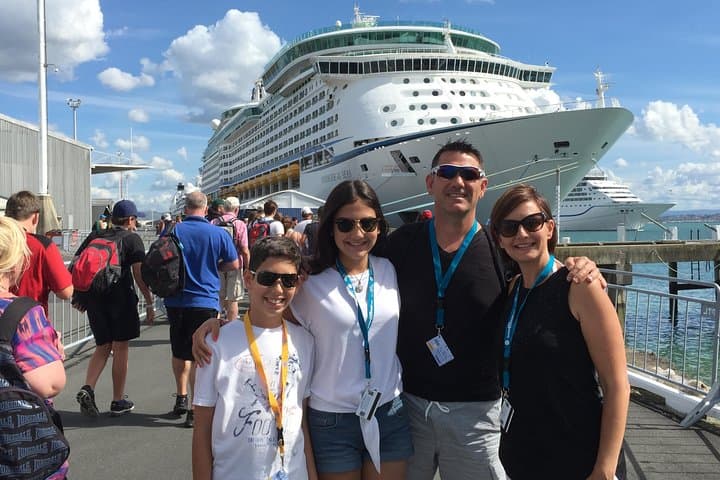
Steam rises and culture takes center stage on this private day trip from Tauranga to Rotorua. Expect geysers, a powerful Māori performance, clear lakes, and easy walks—all paced for an unhurried, in-depth look at Aotearoa’s volcanic heartland.
Steam rises and culture takes center stage on this private day trip from Tauranga to Rotorua. Expect geysers, a powerful Māori performance, clear lakes, and easy walks—all paced for an unhurried, in-depth look at Aotearoa’s volcanic heartland.
Steam threads across the road long before you reach Rotorua. The Bay of Plenty’s surf and salt fall away as your guide climbs from Tauranga past kiwifruit vines heavy with promise, the Pacific flashing in the mirrors. Inland, the land exhales—sulfur on the air, heat rising through boardwalks—and the ground begins to talk.
Verified experiences and guided adventures in the surrounding area.
Operated by Arrow Tours · Rotorua, Bay of Plenty
Steam threads across the road long before you reach Rotorua. The Bay of Plenty’s surf and salt fall away as your guide climbs from Tauranga past kiwifruit vines heavy with promise, the Pacific flashing in the mirrors. Inland, the land exhales—sulfur on the air, heat rising through boardwalks—and the ground begins to talk.
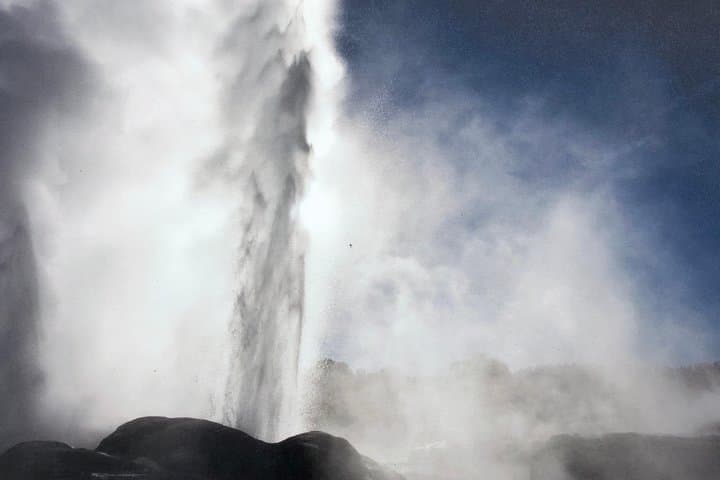
At Whakarewarewa – The Living Māori Village, the earth has a voice and it doesn’t whisper. Mud pools gossip and pop at your feet. Pohutu Geyser sizes up the sky and launches without warning, a plume that muscles past the pines. Between eruptions, the village hums with the cadence of kapa haka. The concert is tight and stirring: waiata threading harmonies, poi spinning, the haka stomping a challenge that stills the crowd. This is Tūhourangi Ngāti Wāhiao country, where guiding visitors has been a tradition since the 1800s—long before the 1886 Tarawera eruption buried the famous Pink and White Terraces and rewrote local geography.
The day loosens after the performance. Lakes Okareka and Tikitapu (Blue) sit like polished stones in the bush, clear water teasing swimmers on warm days. Across the ridge, Rotokakahi (Green) rests under rāhui—tapu—and asks for distance. A short, easy forest walk introduces native podocarps and towering tree ferns; fronds unfurl like cautious hands, birdsong flits from tui and fantail, and the wind threads the canopy, nudging you along. Time allowing, Redwoods and Okere Falls add another register: swing-bridge perspectives and the Kaituna River rushing the gorge, daring rafters while the rapids shoulder through the rocks.
Practicalities keep the day brisk. Plan for 7–8 hours round-trip from the Port of Tauranga or local hotels. Walking is light and mostly on flat paths or boardwalks; expect 1–3 km total, with optional stairs at Okere Falls. The central plateau sits higher and cooler than the coast, so bring layers even in summer. Lunch isn’t included, but your guide knows solid cafés in Rotorua with quick service.
Cultural respect matters here. Stay on marked paths in geothermal zones—ground crust can be thin and unforgiving—and follow village tikanga: ask before photographing people, remove hats indoors where requested, and listen as much as you look. The landscape pushes forward, theatrical one minute, serene the next, and this private tour keeps pace—letting the region do the talking while you enjoy a front-row seat.
easy.
7–8 hours.
Comfortable walking for short periods on flat paths and boardwalks; optional stairs at Okere Falls.
Expect 1–3 km total on mostly flat paths and boardwalks. There are optional stairs at Okere Falls if included.
Yes. Entry to Whakarewarewa and the 30–40 minute performance are included on this private tour.
Yes. The tour is suitable for most; some surfaces are uneven. Collapsible wheelchairs can be accommodated with a companion for assistance.
Geysers are natural and unpredictable, but Pohutu typically erupts frequently throughout the day, often multiple times per hour.
No, lunch is at your own expense. Your guide will stop at reliable cafés in Rotorua with quick service and good options.
Dress in layers with comfortable closed-toe shoes. Bring a light rain shell and sun protection year-round; the sulfur smell is normal in geothermal areas.
Tūhourangi Ngāti Wāhiao have welcomed and guided visitors here for over a century; the 1886 Mt Tarawera eruption buried the famed Pink and White Terraces and reshaped the region.
Geothermal crusts are delicate—keep to marked paths and boardwalks. Support iwi-operated attractions, which fund cultural preservation and environmental care.
Arrow Tours operates guided outdoor trips and adventures with an emphasis on safety, stewardship, and memorable experiences.
Steam threads across the road long before you reach Rotorua. The Bay of Plenty’s surf and salt fall away as your guide climbs from Tauranga past kiwifruit vines heavy with promise, the Pacific flashing in the mirrors. Inland, the land exhales—sulfur on the air, heat rising through boardwalks—and the ground begins to talk.
Steam threads across the road long before you reach Rotorua. The Bay of Plenty’s surf and salt fall away as your guide climbs from Tauranga past kiwifruit vines heavy with promise, the Pacific flashing in the mirrors. Inland, the land exhales—sulfur on the air, heat rising through boardwalks—and the ground begins to talk.
At Whakarewarewa – The Living Māori Village, the earth has a voice and it doesn’t whisper. Mud pools gossip and pop at your feet. Pohutu Geyser sizes up the sky and launches without warning, a plume that muscles past the pines. Between eruptions, the village hums with the cadence of kapa haka. The concert is tight and stirring: waiata threading harmonies, poi spinning, the haka stomping a challenge that stills the crowd. This is Tūhourangi Ngāti Wāhiao country, where guiding visitors has been a tradition since the 1800s—long before the 1886 Tarawera eruption buried the famous Pink and White Terraces and rewrote local geography.
The day loosens after the performance. Lakes Okareka and Tikitapu (Blue) sit like polished stones in the bush, clear water teasing swimmers on warm days. Across the ridge, Rotokakahi (Green) rests under rāhui—tapu—and asks for distance. A short, easy forest walk introduces native podocarps and towering tree ferns; fronds unfurl like cautious hands, birdsong flits from tui and fantail, and the wind threads the canopy, nudging you along. Time allowing, Redwoods and Okere Falls add another register: swing-bridge perspectives and the Kaituna River rushing the gorge, daring rafters while the rapids shoulder through the rocks.
Practicalities keep the day brisk. Plan for 7–8 hours round-trip from the Port of Tauranga or local hotels. Walking is light and mostly on flat paths or boardwalks; expect 1–3 km total, with optional stairs at Okere Falls. The central plateau sits higher and cooler than the coast, so bring layers even in summer. Lunch isn’t included, but your guide knows solid cafés in Rotorua with quick service.
Cultural respect matters here. Stay on marked paths in geothermal zones—ground crust can be thin and unforgiving—and follow village tikanga: ask before photographing people, remove hats indoors where requested, and listen as much as you look. The landscape pushes forward, theatrical one minute, serene the next, and this private tour keeps pace—letting the region do the talking while you enjoy a front-row seat.