THE ADVENTURE COLLECTIVE® · Independent discovery and booking for outdoor travel

Experience Rotorua’s geothermal pulse and living forest on a full-day tour that pairs a purpose-built glowworm eco-cave and the towering Redwoods with Māori cultural highlights at Te Puia. Expect accessible walks, expert guides, and close-up views of Pōhutu Geyser and native wildlife.
Experience Rotorua’s geothermal pulse and living forest on a full-day tour that pairs a purpose-built glowworm eco-cave and the towering Redwoods with Māori cultural highlights at Te Puia. Expect accessible walks, expert guides, and close-up views of Pōhutu Geyser and native wildlife.
You step off the coach into cool, resin-scented air — redwood trunks stand like dark columns, and a hush falls as you follow a narrow path toward an illuminated entrance. Inside the purpose-built glowworm eco-cave, tiny bioluminescent dots hover above the water like a low, steady star-field; the guide explains how careful habitat design supports these delicate Arachnocampa larvae.
Verified experiences and guided adventures in the surrounding area.
Operated by NAVI Tours New Zealand · Rotorua, Bay of Plenty
You step off the coach into cool, resin-scented air — redwood trunks stand like dark columns, and a hush falls as you follow a narrow path toward an illuminated entrance. Inside the purpose-built glowworm eco-cave, tiny bioluminescent dots hover above the water like a low, steady star-field; the guide explains how careful habitat design supports these delicate Arachnocampa larvae.
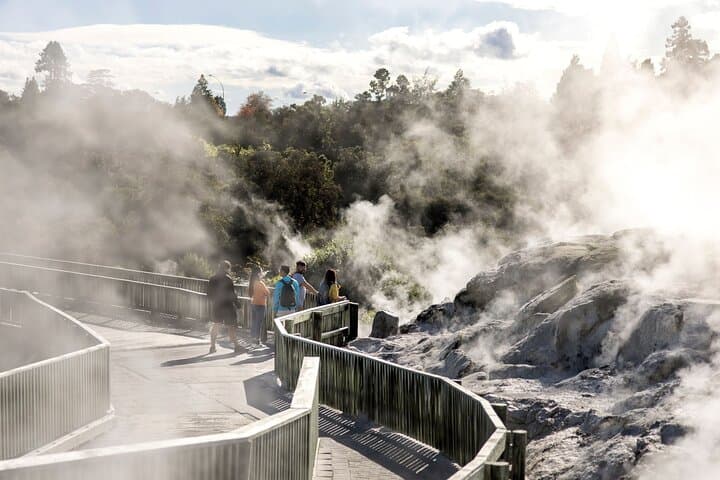
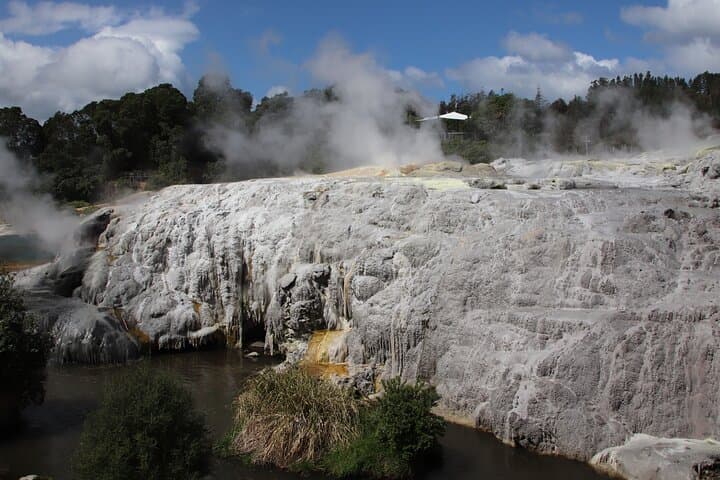
Later, sunlight filters through the Redwoods Whakarewarewa Forest while easy trails wind under 100-year-old trees. The landscape here sits atop the Taupō Volcanic Zone: steaming vents and mineral-rich soils shape geothermal features and the region’s distinctive plant communities.
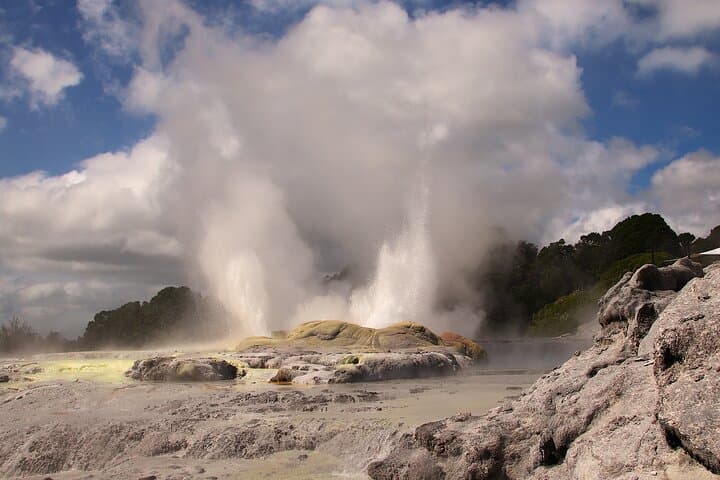
At Te Puia, Māori culture and geothermal power meet — master carvers and weavers work in the open, and the Pōhutu Geyser releases a raw steam plume that underlines the valley’s volcanic heartbeat. The Kiwi Conservation Centre offers a chance to see New Zealand’s emblematic bird in a nocturnal setting and learn about predator-control efforts.
This full-day loop balances short, accessible walks with cultural interpretation and staged viewing areas; expect around 11 hours including transfers and site visits. Wear layered clothing for shifting thermal zones, waterproof footwear for damp forest trails, and bring a camera with low-light capability for the eco-cave (tripods are typically restricted).
Timing matters: mornings are quieter in the forest, and geyser activity can vary with groundwater and weather. Respect marked paths, follow guides’ instructions in geothermal areas, and allow extra time to absorb both the living forest and the human history that shaped Rotorua’s unique character.
easy.
11 hours.
Suitable for most travelers who can walk short to moderate distances and stand for guided talks; minimal elevation change.
The full-day experience is about 11 hours and includes admission to the glowworm eco-cave, Redwoods Forest time, entry to Te Puia, and guided cultural interpretation; transport is provided.
The tour is generally family-friendly with stroller access in some areas, but geothermal sites and the eco-cave have uneven surfaces—check specific accessibility options with the operator.
Photography is allowed but without flash; low-light settings are recommended and tripods may be restricted to protect the habitat.
The operator may cancel for severe weather or geothermal safety concerns; standard cancellation policy allows a full refund if canceled at least 24 hours prior.
Te Whakarewarewa Valley has been home to Tūhourangi and Ngāti Whakaue iwi for generations; geothermal features shaped local settlement, cooking and artistry practices.
The glowworm eco-cave was developed with conservation in mind—visitors are encouraged to follow no-flash rules, stay on trails, and support predator-control and habitat protection efforts in the region.
NAVI Tours New Zealand operates guided outdoor trips and adventures with an emphasis on safety, stewardship, and memorable experiences.
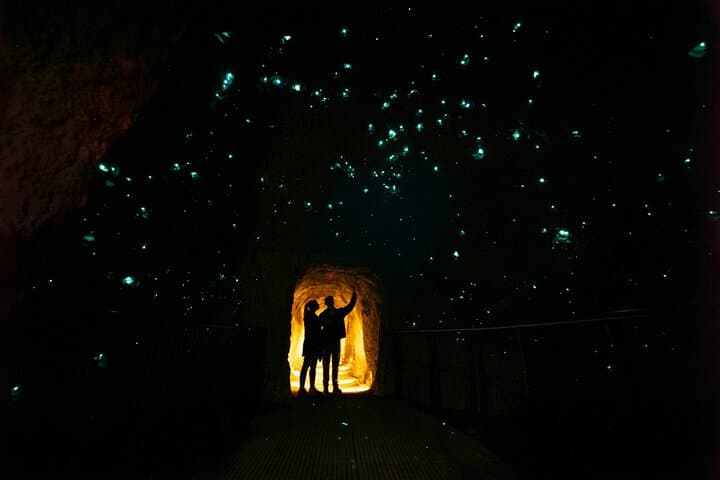
You step off the coach into cool, resin-scented air — redwood trunks stand like dark columns, and a hush falls as you follow a narrow path toward an illuminated entrance. Inside the purpose-built glowworm eco-cave, tiny bioluminescent dots hover above the water like a low, steady star-field; the guide explains how careful habitat design supports these delicate Arachnocampa larvae.
You step off the coach into cool, resin-scented air — redwood trunks stand like dark columns, and a hush falls as you follow a narrow path toward an illuminated entrance. Inside the purpose-built glowworm eco-cave, tiny bioluminescent dots hover above the water like a low, steady star-field; the guide explains how careful habitat design supports these delicate Arachnocampa larvae.
Later, sunlight filters through the Redwoods Whakarewarewa Forest while easy trails wind under 100-year-old trees. The landscape here sits atop the Taupō Volcanic Zone: steaming vents and mineral-rich soils shape geothermal features and the region’s distinctive plant communities.
At Te Puia, Māori culture and geothermal power meet — master carvers and weavers work in the open, and the Pōhutu Geyser releases a raw steam plume that underlines the valley’s volcanic heartbeat. The Kiwi Conservation Centre offers a chance to see New Zealand’s emblematic bird in a nocturnal setting and learn about predator-control efforts.
This full-day loop balances short, accessible walks with cultural interpretation and staged viewing areas; expect around 11 hours including transfers and site visits. Wear layered clothing for shifting thermal zones, waterproof footwear for damp forest trails, and bring a camera with low-light capability for the eco-cave (tripods are typically restricted).
Timing matters: mornings are quieter in the forest, and geyser activity can vary with groundwater and weather. Respect marked paths, follow guides’ instructions in geothermal areas, and allow extra time to absorb both the living forest and the human history that shaped Rotorua’s unique character.