THE ADVENTURE COLLECTIVE® · Independent discovery and booking for outdoor travel

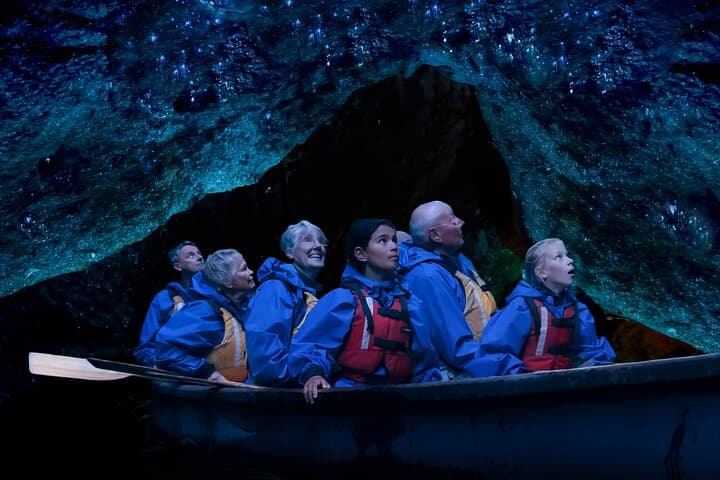
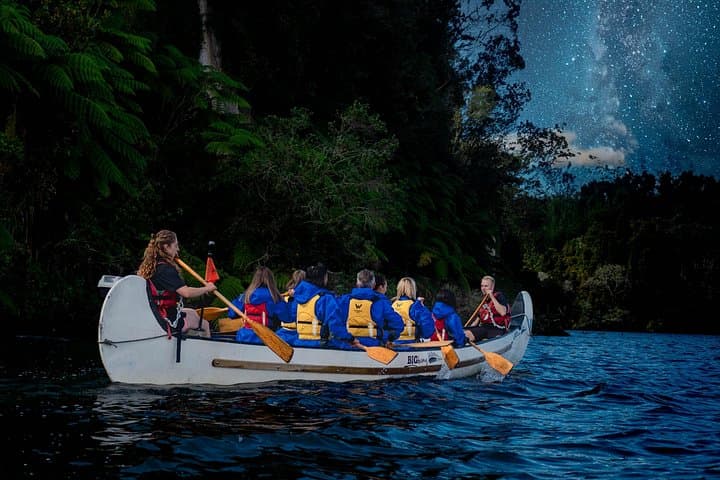
Paddle a traditional Big Kanu across glassy Lake Rotoiti as dusk falls and glowworms light a cave ceiling like a pocket of stars. This gentle, two-hour guided evening tour blends Māori storytelling with low-impact wildlife viewing along Rotorua’s volcanic shore.
Paddle a traditional Big Kanu across glassy Lake Rotoiti as dusk falls and glowworms light a cave ceiling like a pocket of stars. This gentle, two-hour guided evening tour blends Māori storytelling with low-impact wildlife viewing along Rotorua’s volcanic shore.
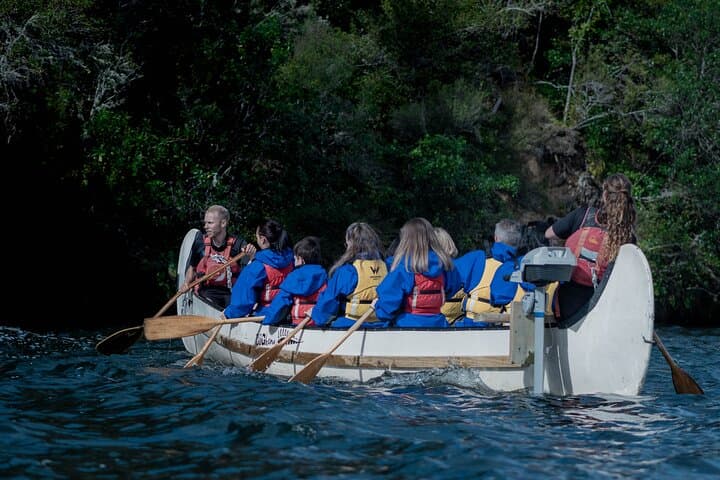
You push off as the last warmth of day slips from the hills and the lake exhales a cool, reflector-flat surface. In the Big Kanu you move as a single instrument—paddles whispering, hulls slicing—while shoreline bush darkens and the first pale points of starlight appear overhead.
Verified experiences and guided adventures in the surrounding area.
Operated by Waimarino Kayak Tours · Rotorua, Bay of Plenty
You push off as the last warmth of day slips from the hills and the lake exhales a cool, reflector-flat surface. In the Big Kanu you move as a single instrument—paddles whispering, hulls slicing—while shoreline bush darkens and the first pale points of starlight appear overhead.
Lake Rotoiti sits on land shaped by volcanic forces of the Rotorua caldera; its shores hold centuries of Māori settlement and stories tied to Te Arawa iwi. The name Rotoiti means “small lake,” but its night sky and the caves that host Arachnocampa luminosa (glowworms) make it feel vast. Geology here is recent and raw: rhyolitic eruptions and faulting created basins and thermal features that feed sheltered coves ideal for glowworm colonies.
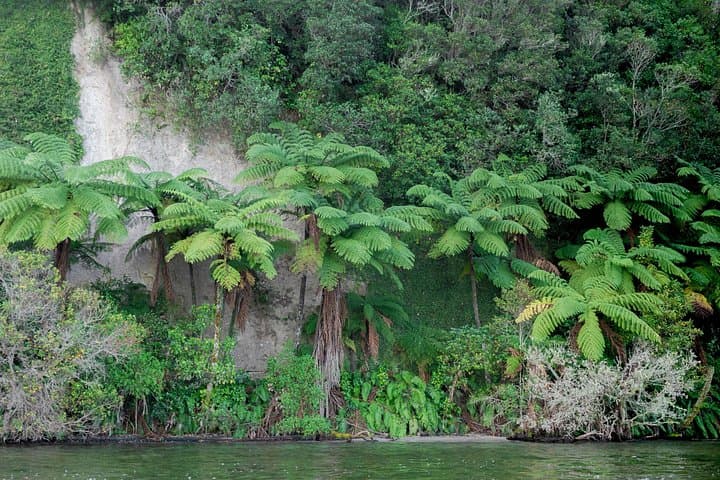
Local guides weave myth and practical knowledge together—wholedrawn explanations of taniwha stories sit beside ecology notes about preserving fragile biota. Expect quiet sections of native kānuka and pōhutukawa, and a respectful hush as you paddle into a glowworm-lit cave; the insects’ bioluminescence appears like a ceiling of terrestrial stars.
Practical guidance: tours are short (about two hours) and beginner-friendly—no prior paddling needed. Dress in layered, quick-dry clothing and bring a windproof shell; footwear should grip for wet ramps. Phones and cameras will struggle to capture true glowworm detail—enjoy the moment and learn from your guide about low-impact viewing. Tours run most nights and can operate in varied conditions, but check cancellation policies for weather. Hydrate, arrive early to warm up, and plan transport back to Rotorua town after the tide of starlight recedes.
easy.
2 hours.
Basic mobility and the ability to sit and paddle for short periods; suitable for most ages and fitness levels.
No—guides provide instruction and the Big Kanu is stable, making this suitable for beginners and families.
Flash and bright lights can disturb glowworms; low-light photography is difficult—ask your guide for permitted viewing practices.
The tour notes wheelchair-accessible surfaces for boarding areas, but discuss individual needs with the operator when booking to confirm logistics.
Tours can be canceled for rough conditions; the operator typically offers refunds if canceled at least 24 hours before departure or due to unsafe weather.
Lake Rotoiti lies within the Te Arawa rohe; Māori have lived and travelled here for generations, and local iwi maintain cultural connections to the lake.
Guides emphasize low-impact viewing—no flash photography, minimal noise, and avoiding shore disturbance—to protect glowworm colonies and shoreline habitat.
Waimarino Kayak Tours operates guided outdoor trips and adventures with an emphasis on safety, stewardship, and memorable experiences.
You push off as the last warmth of day slips from the hills and the lake exhales a cool, reflector-flat surface. In the Big Kanu you move as a single instrument—paddles whispering, hulls slicing—while shoreline bush darkens and the first pale points of starlight appear overhead.
You push off as the last warmth of day slips from the hills and the lake exhales a cool, reflector-flat surface. In the Big Kanu you move as a single instrument—paddles whispering, hulls slicing—while shoreline bush darkens and the first pale points of starlight appear overhead.
Lake Rotoiti sits on land shaped by volcanic forces of the Rotorua caldera; its shores hold centuries of Māori settlement and stories tied to Te Arawa iwi. The name Rotoiti means “small lake,” but its night sky and the caves that host Arachnocampa luminosa (glowworms) make it feel vast. Geology here is recent and raw: rhyolitic eruptions and faulting created basins and thermal features that feed sheltered coves ideal for glowworm colonies.
Local guides weave myth and practical knowledge together—wholedrawn explanations of taniwha stories sit beside ecology notes about preserving fragile biota. Expect quiet sections of native kānuka and pōhutukawa, and a respectful hush as you paddle into a glowworm-lit cave; the insects’ bioluminescence appears like a ceiling of terrestrial stars.
Practical guidance: tours are short (about two hours) and beginner-friendly—no prior paddling needed. Dress in layered, quick-dry clothing and bring a windproof shell; footwear should grip for wet ramps. Phones and cameras will struggle to capture true glowworm detail—enjoy the moment and learn from your guide about low-impact viewing. Tours run most nights and can operate in varied conditions, but check cancellation policies for weather. Hydrate, arrive early to warm up, and plan transport back to Rotorua town after the tide of starlight recedes.