THE ADVENTURE COLLECTIVE® · Independent discovery and booking for outdoor travel

Trace centuries of craft, law and daily life as you walk Rothenburg’s cobblestones with a private guide. This two-hour tour pairs close-up architecture, Gothic altarpieces and fortified gates with practical tips for navigating the town.
Trace centuries of craft, law and daily life as you walk Rothenburg’s cobblestones with a private guide. This two-hour tour pairs close-up architecture, Gothic altarpieces and fortified gates with practical tips for navigating the town.
A cool morning in Rothenburg ob der Tauber puts you on cobblestones that remember armored footsteps and market chatter. The town’s timber-framed houses lean into narrow alleys as if to listen; church bells mark time while the wall’s stones keep their watch. On a two-hour private walking tour you move at a measured pace, letting the lanes reveal shuttered storefronts, the postcard Plönlein corner, and the layered façades of the Town Hall.
Verified experiences and guided adventures in the surrounding area.
Operated by Opatrip.com Germany · Rothenburg ob der Tauber, Bavaria
A cool morning in Rothenburg ob der Tauber puts you on cobblestones that remember armored footsteps and market chatter. The town’s timber-framed houses lean into narrow alleys as if to listen; church bells mark time while the wall’s stones keep their watch. On a two-hour private walking tour you move at a measured pace, letting the lanes reveal shuttered storefronts, the postcard Plönlein corner, and the layered façades of the Town Hall.
Rothenburg grew wealthy in the Middle Ages as a Franconian trade hub; its defensive walls and gatehouses reflect that martial past. Geologically the town sits on the gentle Tauber valley terraces where loess soils feed small vineyards and orchards outside the gate. Culture here is tangible: master woodcarvers, late-Gothic altarpieces by Tilman Riemenschneider and the ritual of festival-processions still woven into civic life. Local color includes hearty Franconian cuisine and a quiet pride in preservation.
Practical guidance: the route is almost entirely paved cobblestone and narrow lanes—good, stable footwear is essential. Expect frequent stops at viewpoints and exterior visits to museums and churches; some interiors may require separate admission. Bring a lightweight jacket—winds funnel through the gates—and a camera with a steady grip for low-light church interiors. Public transport links and nearby parking mean the town is easy to reach, but peak summer afternoons get crowded; morning or late-afternoon slots provide cleaner light and fewer groups. This private format lets you tailor focus—architecture, crime history, or photography—while staying grounded in easy walking and close-up access to Rothenburg’s best-preserved corners.
easy.
2 hours.
Suitable for most fitness levels; involves standing and walking on uneven cobbles for up to two hours.
Yes—pacing is flexible and the walking is moderate; inform the operator of mobility needs when booking so routes can be adjusted.
Admissions are generally not included; the tour features exterior visits and commentary—ask in advance if you want interiors arranged.
Summer afternoons are busiest; early morning or late afternoon visits reduce crowding and offer better light for photos.
Yes—this is a private tour and the guide can tailor the itinerary to emphasize architecture, the Medieval Crime Museum, or local crafts.
Rothenburg was a prosperous Franconian Imperial Free City in the late Middle Ages; many of its defensive walls and half-timbered houses date from the 13th–16th centuries.
The town maintains strict restoration guidelines to preserve medieval fabric; visitors should avoid leaning on timber frames and support local conservation-minded businesses.
Opatrip.com Germany operates guided outdoor trips and adventures with an emphasis on safety, stewardship, and memorable experiences.
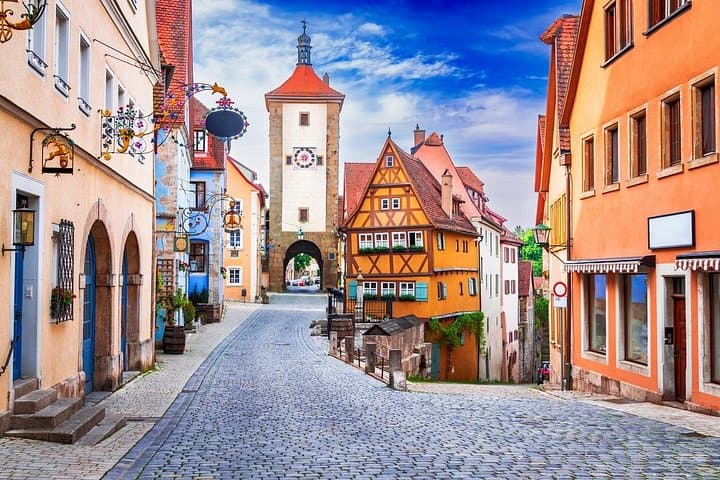
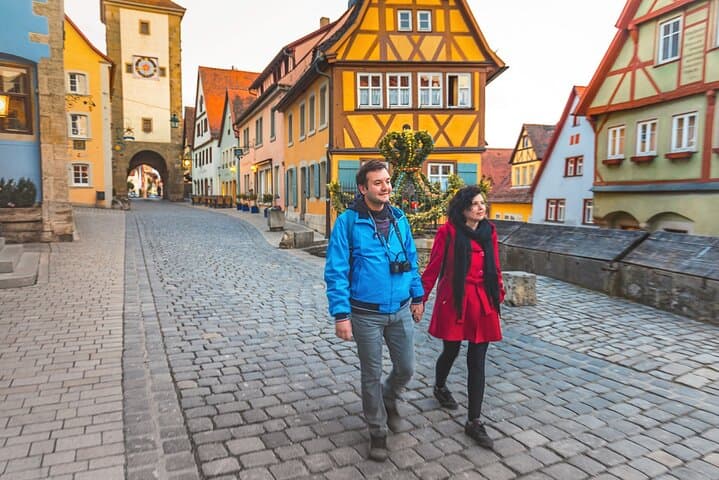
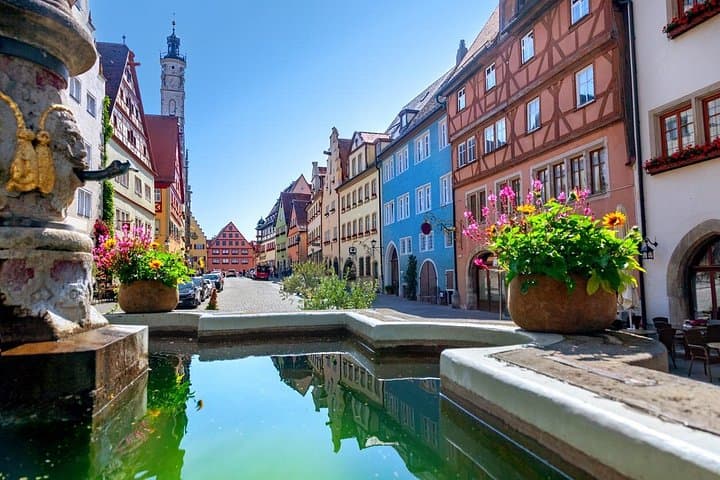
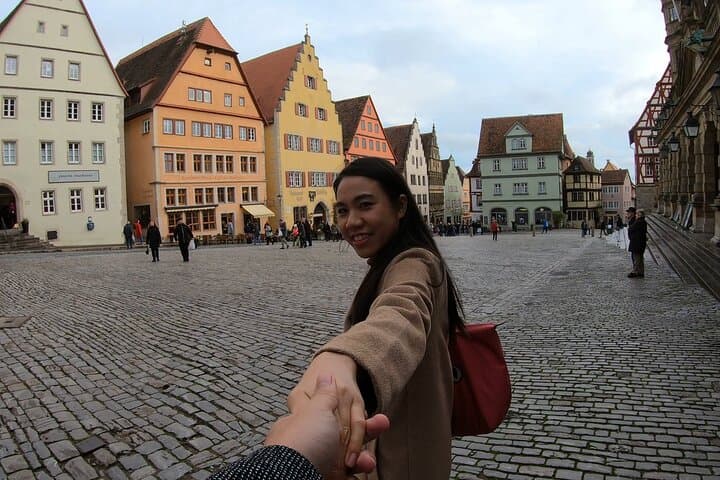
A cool morning in Rothenburg ob der Tauber puts you on cobblestones that remember armored footsteps and market chatter. The town’s timber-framed houses lean into narrow alleys as if to listen; church bells mark time while the wall’s stones keep their watch. On a two-hour private walking tour you move at a measured pace, letting the lanes reveal shuttered storefronts, the postcard Plönlein corner, and the layered façades of the Town Hall.
A cool morning in Rothenburg ob der Tauber puts you on cobblestones that remember armored footsteps and market chatter. The town’s timber-framed houses lean into narrow alleys as if to listen; church bells mark time while the wall’s stones keep their watch. On a two-hour private walking tour you move at a measured pace, letting the lanes reveal shuttered storefronts, the postcard Plönlein corner, and the layered façades of the Town Hall.
Rothenburg grew wealthy in the Middle Ages as a Franconian trade hub; its defensive walls and gatehouses reflect that martial past. Geologically the town sits on the gentle Tauber valley terraces where loess soils feed small vineyards and orchards outside the gate. Culture here is tangible: master woodcarvers, late-Gothic altarpieces by Tilman Riemenschneider and the ritual of festival-processions still woven into civic life. Local color includes hearty Franconian cuisine and a quiet pride in preservation.
Practical guidance: the route is almost entirely paved cobblestone and narrow lanes—good, stable footwear is essential. Expect frequent stops at viewpoints and exterior visits to museums and churches; some interiors may require separate admission. Bring a lightweight jacket—winds funnel through the gates—and a camera with a steady grip for low-light church interiors. Public transport links and nearby parking mean the town is easy to reach, but peak summer afternoons get crowded; morning or late-afternoon slots provide cleaner light and fewer groups. This private format lets you tailor focus—architecture, crime history, or photography—while staying grounded in easy walking and close-up access to Rothenburg’s best-preserved corners.