THE ADVENTURE COLLECTIVE® · Independent discovery and booking for outdoor travel

A full-day boat trip from Cartagena that visits Ibiza, Mulata and Gigi islands in the Rosario archipelago. Enjoy beaches, guided snorkeling stops, and panoramic views of Bocachica fort—ideal for families and novice snorkelers.
A full-day boat trip from Cartagena that visits Ibiza, Mulata and Gigi islands in the Rosario archipelago. Enjoy beaches, guided snorkeling stops, and panoramic views of Bocachica fort—ideal for families and novice snorkelers.
You step off the pier in Cartagena as the harbor negotiates between colonial stone and open Caribbean blue. The boat cuts through a scatter of limestone cays, palms leaning like audience members, and the first island appears: a pocket of white sand and shallow reef that refracts the sun.
Verified experiences and guided adventures in the surrounding area.
Operated by Private Tourist Services CTG · Cartagena, Bolívar
You step off the pier in Cartagena as the harbor negotiates between colonial stone and open Caribbean blue. The boat cuts through a scatter of limestone cays, palms leaning like audience members, and the first island appears: a pocket of white sand and shallow reef that refracts the sun.
The Rosario archipelago sits on the western edge of the Caribbean coral barrier that once drew Spanish galleons and later fishermen. Bocachica’s low fortifications—visible on the crossing—are reminders of Cartagena’s strategic past; the islands themselves are low carbonate platforms over living coral, where mangrove roots cradle juvenile fish and parrotfish polish the reef.
Locally the islands support small fishing communities and a tourism economy focused on day trips and snorkeling. Expect short guided beach walks, lunch under palms, and 2-hour stops on three different islands—perfect for families and first-time snorkelers.
Practical guide: the trip is an easy full day (about eight hours including transit). Wear reef-safe sunscreen, a breathable sun shirt, and water shoes; snorkeling gear is usually supplied. Bring cash for small purchases and tip the crew if service is good. Sea conditions can be calm or choppy—motion-sickness meds are advisable if you’re sensitive. Timing your visit for the morning crossing often means calmer seas and clearer water for snorkeling. Above all, avoid touching corals or feeding fish: healthy reefs make every visit better.
easy.
8 hours.
Suitable for most fitness levels; requires basic mobility for boarding and short beach walks
Yes—most operators include basic snorkel gear; bringing your own mask can improve fit and comfort.
Transit typically ranges 30–60 minutes depending on the launch point and sea conditions.
Many tours include lunch and open bar on board—confirm specifics before booking.
Yes—trips are family-friendly; non-swimmers can stay in shallow water or on the beach with supervision.
The Rosario Islands lie near Cartagena’s colonial defensive line; Bocachica and nearby fortifications were built to guard the bay against seaborne threats.
The area is part of a marine park with active coral conservation—visitors should avoid touching corals, use reef-safe sunscreen, and follow local guidelines to limit impact.
Private Tourist Services CTG operates guided outdoor trips and adventures with an emphasis on safety, stewardship, and memorable experiences.
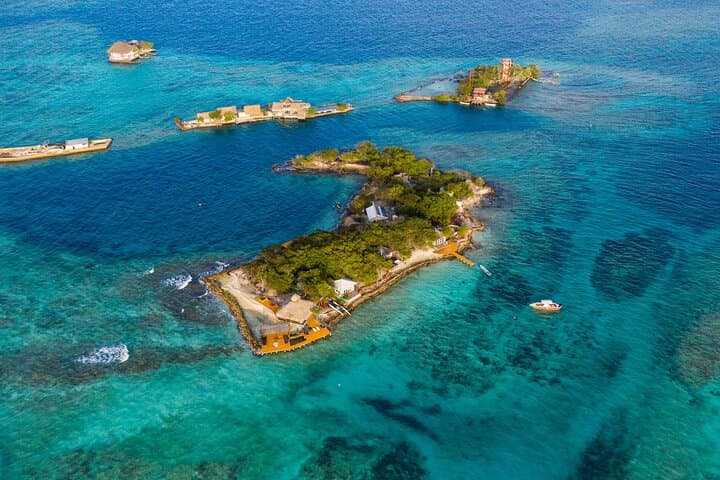
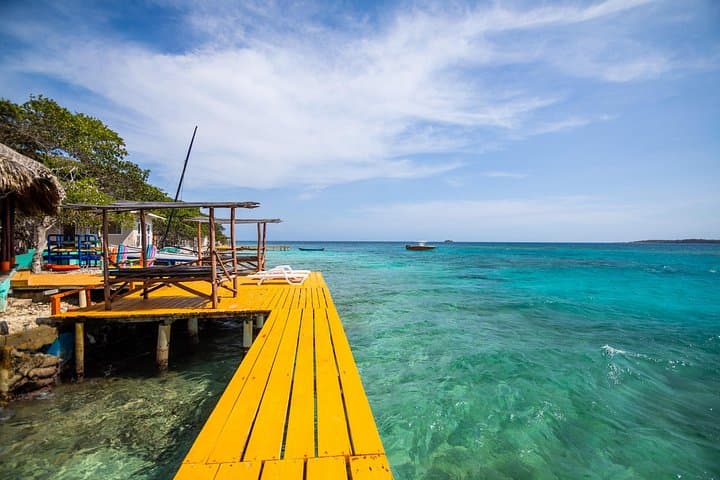
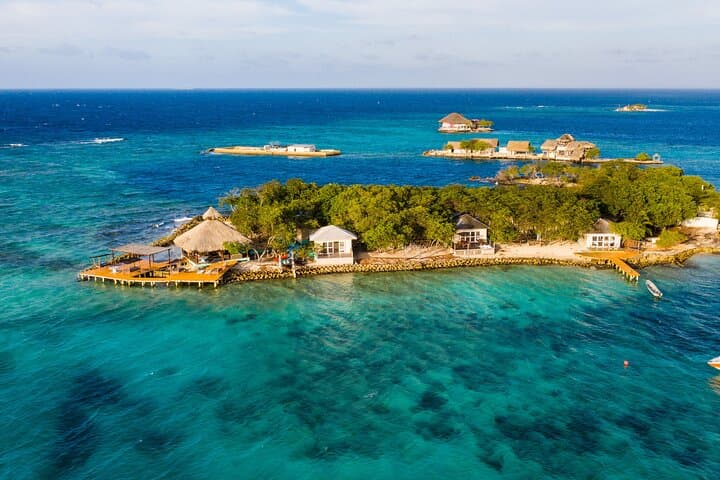
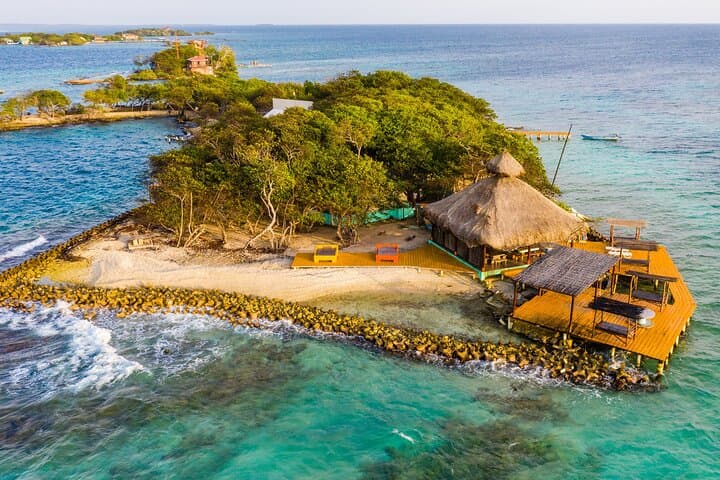
You step off the pier in Cartagena as the harbor negotiates between colonial stone and open Caribbean blue. The boat cuts through a scatter of limestone cays, palms leaning like audience members, and the first island appears: a pocket of white sand and shallow reef that refracts the sun.
You step off the pier in Cartagena as the harbor negotiates between colonial stone and open Caribbean blue. The boat cuts through a scatter of limestone cays, palms leaning like audience members, and the first island appears: a pocket of white sand and shallow reef that refracts the sun.
The Rosario archipelago sits on the western edge of the Caribbean coral barrier that once drew Spanish galleons and later fishermen. Bocachica’s low fortifications—visible on the crossing—are reminders of Cartagena’s strategic past; the islands themselves are low carbonate platforms over living coral, where mangrove roots cradle juvenile fish and parrotfish polish the reef.
Locally the islands support small fishing communities and a tourism economy focused on day trips and snorkeling. Expect short guided beach walks, lunch under palms, and 2-hour stops on three different islands—perfect for families and first-time snorkelers.
Practical guide: the trip is an easy full day (about eight hours including transit). Wear reef-safe sunscreen, a breathable sun shirt, and water shoes; snorkeling gear is usually supplied. Bring cash for small purchases and tip the crew if service is good. Sea conditions can be calm or choppy—motion-sickness meds are advisable if you’re sensitive. Timing your visit for the morning crossing often means calmer seas and clearer water for snorkeling. Above all, avoid touching corals or feeding fish: healthy reefs make every visit better.