THE ADVENTURE COLLECTIVE® · Independent discovery and booking for outdoor travel

Cruise the River Gambia to Kunta Kinteh (Fort James), visit Jufureh and Albreda, and explore museums and village life on a full-day cultural tour. Expect river scenery, historical ruins and meaningful local storytelling.
Cruise the River Gambia to Kunta Kinteh (Fort James), visit Jufureh and Albreda, and explore museums and village life on a full-day cultural tour. Expect river scenery, historical ruins and meaningful local storytelling.
The boat slips away from Banjul at first light, the River Gambia yawning wide and confident as it pushes the hull downstream. Mangrove roots scold the tide; a lone fisherman steers a pirogue like a memory. As the ferry breathes between mudflats and green riverbanks, the day reads like a layered map of trade, travel and human stories.
Verified experiences and guided adventures in the surrounding area.
Operated by Arch Tours · Jufureh, North Bank Division
The boat slips away from Banjul at first light, the River Gambia yawning wide and confident as it pushes the hull downstream. Mangrove roots scold the tide; a lone fisherman steers a pirogue like a memory. As the ferry breathes between mudflats and green riverbanks, the day reads like a layered map of trade, travel and human stories.
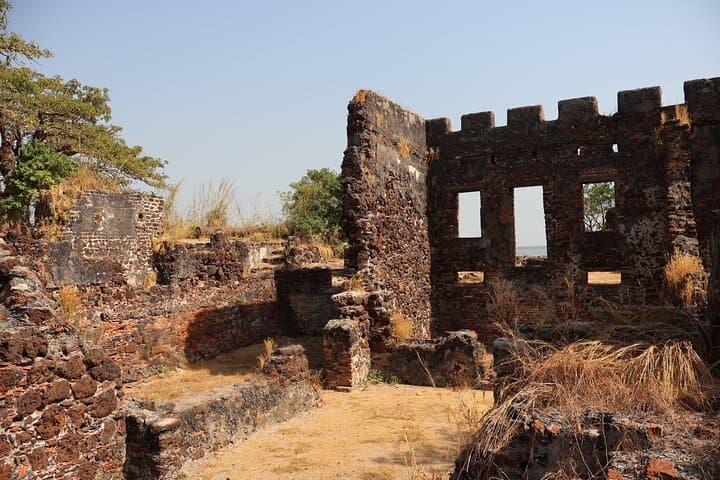
This full-day cruise threads past Dog Island, Albreda and Jufureh, arriving at Fort James—today known as Kunta Kinteh Island—where crumbling stone, cannon mounts and an underground holding chamber anchor a difficult history. The sites date to European trading posts of the 16th–18th centuries and later entered the global imagination through Alex Haley’s Roots; local museums in Jufureh preserve artifacts, route maps and oral histories that contextualize the island’s role in the Atlantic slave trade.
Geologically the river is an estuary of alluvial sediments and tidal channels; sandbars can appear and vanish with the tide, and mangrove fringes absorb the river’s moods. Culturally, village life remains river-centered—markets, boatbuilding and oral storytelling—offering direct contact with descendants who maintain traditions and memory.
Practical guidance: the tour runs roughly 07:30–17:00 with lunch and snacks provided; bring sun protection, a hat and comfortable closed-toe shoes for uneven fort ruins. Expect light walking, sheltered but intermittent shade, and limited facilities on islands—carry small-denomination Gambian dalasi for local vendors. Respect memorial sites, follow guide directions near ruins, and allow time to listen at village museums: they are the human center of this river journey.
easy.
8–9 hours.
Suitable for most fitness levels; involves short, easy walks and stair/uneven-surface exploration at ruins
The full-day itinerary runs about 07:30–17:00 and includes boat transfers, visits to Albreda, Jufureh and Kunta Kinteh Island, lunch, snacks and bottled water.
The cruise itself is suitable for many ages, but boarding and exploring ruins involve uneven steps; travelers with limited mobility should check pickup and landing accessibility in advance.
Yes—small craft stalls operate in the villages; bring small-denomination dalasi as many vendors are cash-only.
Photography is generally allowed, but always ask permission before photographing people and avoid intrusive shots inside museums or memorial areas when requested by guides.
Fort James (Kunta Kinteh Island) was a European trading post active from the 16th century and later became central to the transatlantic slave trade; Jufureh and Albreda preserve both artifacts and oral histories tied to that past.
The island and riverbanks are fragile—visitors should avoid removing stones or artifacts, stick to designated paths, and support local conservation and heritage initiatives when possible.
Arch Tours operates guided outdoor trips and adventures with an emphasis on safety, stewardship, and memorable experiences.



The boat slips away from Banjul at first light, the River Gambia yawning wide and confident as it pushes the hull downstream. Mangrove roots scold the tide; a lone fisherman steers a pirogue like a memory. As the ferry breathes between mudflats and green riverbanks, the day reads like a layered map of trade, travel and human stories.
The boat slips away from Banjul at first light, the River Gambia yawning wide and confident as it pushes the hull downstream. Mangrove roots scold the tide; a lone fisherman steers a pirogue like a memory. As the ferry breathes between mudflats and green riverbanks, the day reads like a layered map of trade, travel and human stories.
This full-day cruise threads past Dog Island, Albreda and Jufureh, arriving at Fort James—today known as Kunta Kinteh Island—where crumbling stone, cannon mounts and an underground holding chamber anchor a difficult history. The sites date to European trading posts of the 16th–18th centuries and later entered the global imagination through Alex Haley’s Roots; local museums in Jufureh preserve artifacts, route maps and oral histories that contextualize the island’s role in the Atlantic slave trade.
Geologically the river is an estuary of alluvial sediments and tidal channels; sandbars can appear and vanish with the tide, and mangrove fringes absorb the river’s moods. Culturally, village life remains river-centered—markets, boatbuilding and oral storytelling—offering direct contact with descendants who maintain traditions and memory.
Practical guidance: the tour runs roughly 07:30–17:00 with lunch and snacks provided; bring sun protection, a hat and comfortable closed-toe shoes for uneven fort ruins. Expect light walking, sheltered but intermittent shade, and limited facilities on islands—carry small-denomination Gambian dalasi for local vendors. Respect memorial sites, follow guide directions near ruins, and allow time to listen at village museums: they are the human center of this river journey.