THE ADVENTURE COLLECTIVE® · Independent discovery and booking for outdoor travel

Learn champeta and salsa on a rooftop inside Cartagena's walled city with a welcome cocktail and a 90‑minute class that mixes rhythm, history, and sunset views. Ideal for beginners and experienced dancers looking to feel like a local.
Learn champeta and salsa on a rooftop inside Cartagena's walled city with a welcome cocktail and a 90‑minute class that mixes rhythm, history, and sunset views. Ideal for beginners and experienced dancers looking to feel like a local.
A breeze off the Caribbean threads through the walled city's rooftops, carrying the steady pulse of drums and electric guitars. On a compact terrace above Cartagena's cobblestones, a mixed group lines up facing a teacher whose hands mark the downbeat; mojitos clink, laughter fills gaps between steps, and the sun slides toward the sea.
Verified experiences and guided adventures in the surrounding area.
Operated by Black Legacy · Cartagena, Bolívar
A breeze off the Caribbean threads through the walled city's rooftops, carrying the steady pulse of drums and electric guitars. On a compact terrace above Cartagena's cobblestones, a mixed group lines up facing a teacher whose hands mark the downbeat; mojitos clink, laughter fills gaps between steps, and the sun slides toward the sea.
Champeta arrived from the city's Afro‑Atlantic neighborhoods, a rhythm born from coastal ports and African percussion that shaped Cartagena's cultural voice alongside salsa. The rooftop setting puts you within earshot of colonial stone, iron balconies, and the gulls wheeling over Bocagrande — the city's geology and coastal position make evening air cool and habitable even after a sun‑hot day.
This 90‑minute session pairs practical instruction with local context: expect warm‑up basics, partner and solo sequences for salsa, and the loose, grounded footwork of champeta. Teachers highlight rhythms, call out Spanish cues, and share a playlist so you can keep practicing after the class.
Practical guidance: wear comfortable, grippy shoes and light layers for changing coastal breezes; hydrate before you arrive and bring a small towel for quick cool‑downs. The rooftop can accommodate mixed skill levels — beginners are welcome — but space is limited, so bookings are advised. If you want a memorable sunset, choose a late‑afternoon slot; for cooler temperatures and fewer tourists, opt for weekday evenings.
The session doubles as cultural exchange: ask about local artists, support the bar, and take the playlist home — the moves you learn are a direct line into Cartagena's streets and nightlife.
easy.
1.5 hours.
Suitable for most fitness levels; basic stamina and mobility for standing, stepping, and light partner work recommended
Yes — the session is designed for all levels with fundamental steps and simple sequences introduced before progressing.
No — the class accommodates solo participants and rotates partners during exercises.
Instructors commonly teach in Spanish and provide basic English cues; clarifying your language needs when booking helps the team prepare.
A welcome cocktail is provided to guests over 18 as part of the experience; non‑alcoholic options are typically available on request.
Champeta grew from Cartagena’s Afro‑Caribbean neighborhoods, fusing African rhythms with coastal pop and becoming a symbol of the city’s working‑class cultural identity.
Respect the historic center by minimizing noise after late hours, disposing of waste properly, and supporting local instructors and venues to keep cultural tourism sustainable.
Black Legacy operates guided outdoor trips and adventures with an emphasis on safety, stewardship, and memorable experiences.
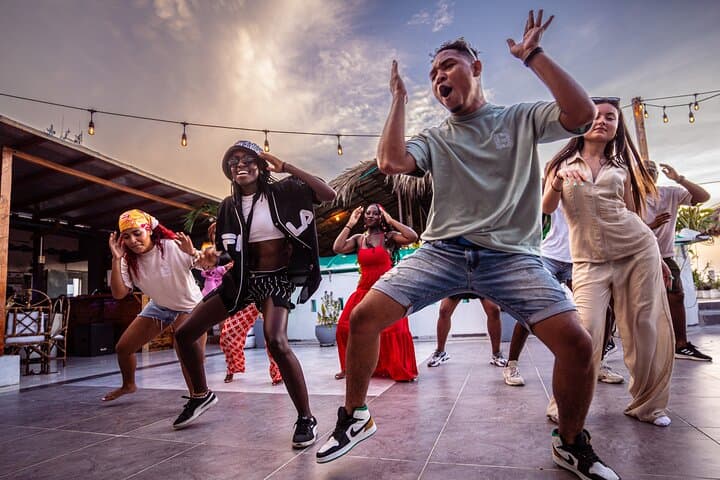
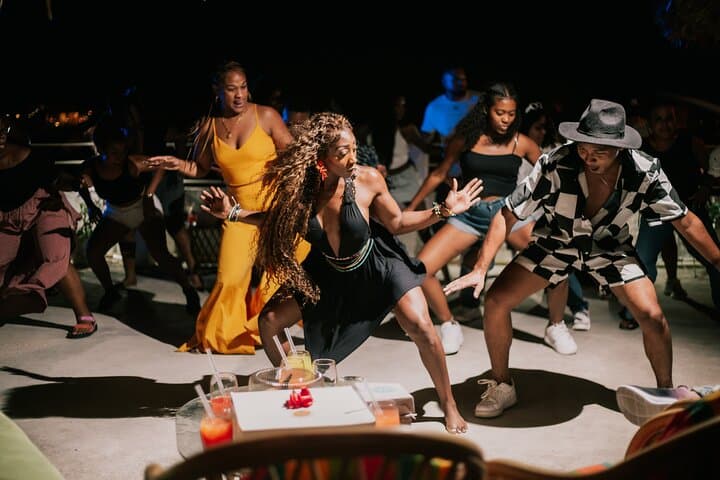

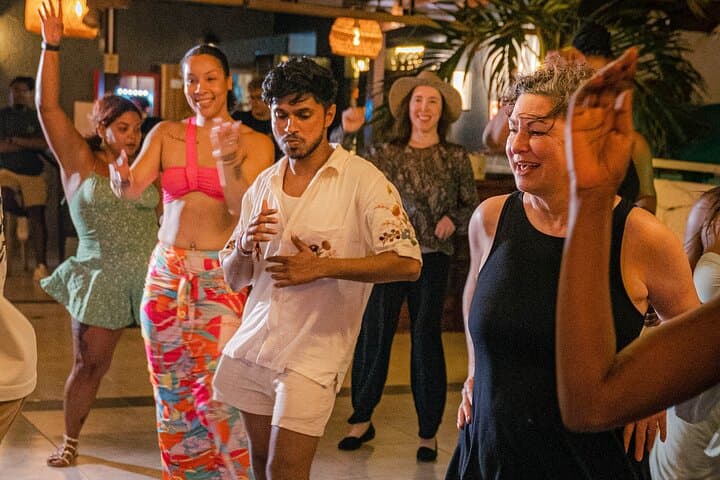
A breeze off the Caribbean threads through the walled city's rooftops, carrying the steady pulse of drums and electric guitars. On a compact terrace above Cartagena's cobblestones, a mixed group lines up facing a teacher whose hands mark the downbeat; mojitos clink, laughter fills gaps between steps, and the sun slides toward the sea.
A breeze off the Caribbean threads through the walled city's rooftops, carrying the steady pulse of drums and electric guitars. On a compact terrace above Cartagena's cobblestones, a mixed group lines up facing a teacher whose hands mark the downbeat; mojitos clink, laughter fills gaps between steps, and the sun slides toward the sea.
Champeta arrived from the city's Afro‑Atlantic neighborhoods, a rhythm born from coastal ports and African percussion that shaped Cartagena's cultural voice alongside salsa. The rooftop setting puts you within earshot of colonial stone, iron balconies, and the gulls wheeling over Bocagrande — the city's geology and coastal position make evening air cool and habitable even after a sun‑hot day.
This 90‑minute session pairs practical instruction with local context: expect warm‑up basics, partner and solo sequences for salsa, and the loose, grounded footwork of champeta. Teachers highlight rhythms, call out Spanish cues, and share a playlist so you can keep practicing after the class.
Practical guidance: wear comfortable, grippy shoes and light layers for changing coastal breezes; hydrate before you arrive and bring a small towel for quick cool‑downs. The rooftop can accommodate mixed skill levels — beginners are welcome — but space is limited, so bookings are advised. If you want a memorable sunset, choose a late‑afternoon slot; for cooler temperatures and fewer tourists, opt for weekday evenings.
The session doubles as cultural exchange: ask about local artists, support the bar, and take the playlist home — the moves you learn are a direct line into Cartagena's streets and nightlife.