THE ADVENTURE COLLECTIVE® · Independent discovery and booking for outdoor travel

Choose the Rongai route for a quieter, northern approach to Kilimanjaro that moves from montane forest to alpine desert in five active days. This guide explains what to expect on terrain, altitude challenges, and how to prepare for the summit night.
Choose the Rongai route for a quieter, northern approach to Kilimanjaro that moves from montane forest to alpine desert in five active days. This guide explains what to expect on terrain, altitude challenges, and how to prepare for the summit night.
Book with Wild Root Safaris and Adventures
Book directly with Wild Root Safaris and Adventures for the best rates and real-time scheduling.
Reserve NowVerified experiences and guided adventures in the surrounding area.
Operated by Wild Root Safaris and Adventures · Arusha, Arusha Region
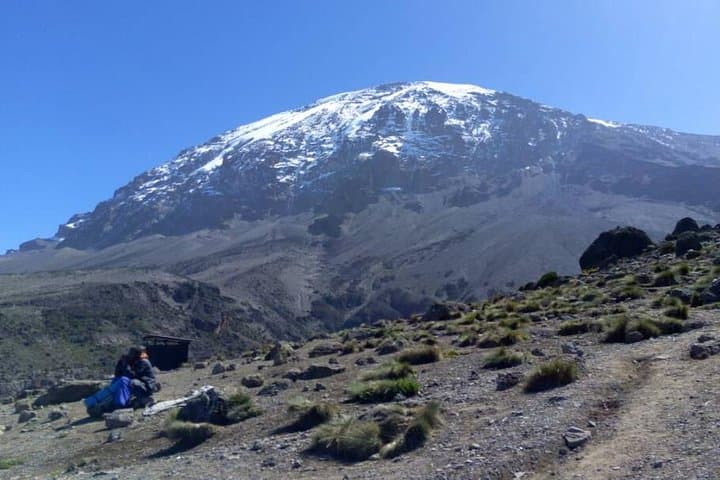
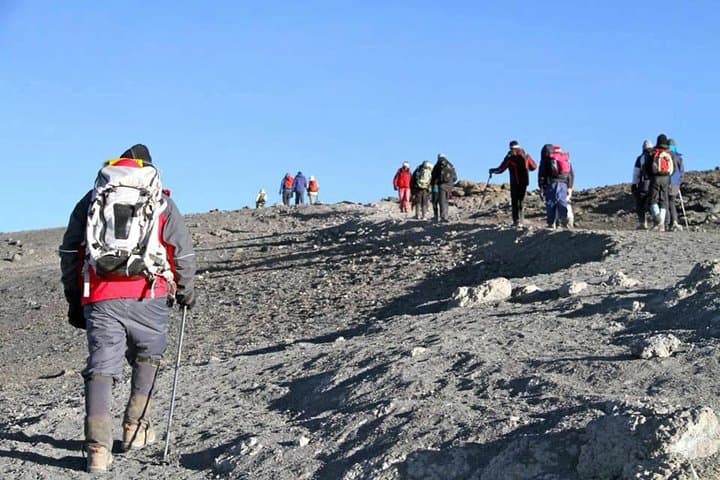
Dawn on the Rongai trail begins with cold light on cypress trunks and the silhouette of Mawenzi slicing the sky — the mountain feels alive, pushing you upward with each step. The Rongai approach moves from cultivated land and montane forest into moorland, then the lunar saddle between Mawenzi and Kibo; volcanic scree scrapes at your boots as the air thins toward Gillman’s Point and, for the determined, Uhuru Peak.
challenging.
5–7 days (5 days on-mountain, 7 days including transfers).
Good cardiovascular fitness and regular hiking experience; ability to carry a daypack and walk 6–12 hours on consecutive days.
The core Rongai trek is typically 5 days on the mountain (including the summit push); many operators add arrival and departure transfers to make a 7‑day door‑to‑door itinerary.
No technical glacier gear is required for the normal routes to Uhuru Peak, but good boots, warm layers, and basic high‑altitude trekking equipment are essential.
Because the schedule is relatively fast, the risk of acute mountain sickness is higher; moving slowly, staying hydrated, and communicating symptoms to guides are critical mitigations.
Yes—tents, mess tents with cooked meals, and portable toilet tents are standard; company crews handle camp setup and meals throughout the trek.
European explorers first documented Kilimanjaro in the 19th century; local Chagga communities have long lived on its lower slopes, farming and trading coffee along the foothills.
Kilimanjaro National Park manages trekking impact with regulated routes, park fees, and porter policies; stick to established campsites and avoid leaving waste to protect fragile alpine zones.
Wild Root Safaris and Adventures operates guided outdoor trips and adventures with an emphasis on safety, stewardship, and memorable experiences.
Book with Wild Root Safaris and Adventures
Book directly with Wild Root Safaris and Adventures for the best rates and real-time scheduling.
Reserve Now