THE ADVENTURE COLLECTIVE® · Independent discovery and booking for outdoor travel

Climb Mount Kilimanjaro via the eastern Rongai Route over seven days, progressing from forested slopes to alpine desert before a midnight summit push to Uhuru Peak. This quieter approach offers steady grades, solid acclimatization and wide views over the Kenyan plains.
Climb Mount Kilimanjaro via the eastern Rongai Route over seven days, progressing from forested slopes to alpine desert before a midnight summit push to Uhuru Peak. This quieter approach offers steady grades, solid acclimatization and wide views over the Kenyan plains.
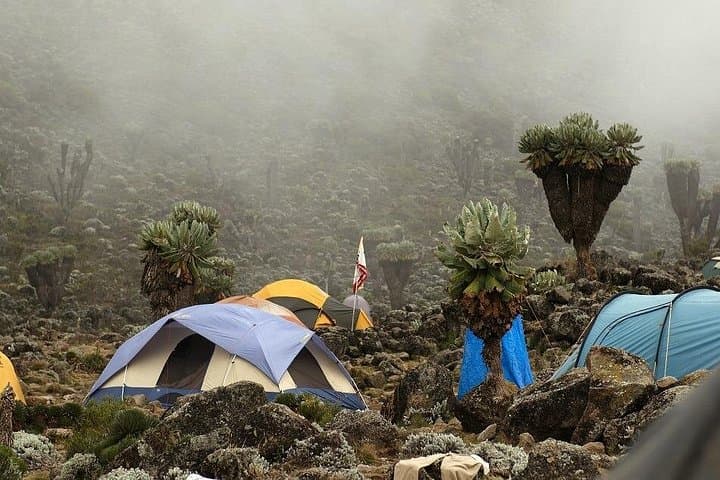
Dawn at Rongai Gate feels like stepping into another climate — maize fields give way to a green corridor of montane forest and the trail climbs gently, the Kenyan plains opening to the north like a broad page. The Rongai route approaches Kilimanjaro from the east, moving through fingered rain forest, moorland ridges and an exposed alpine desert before the final push to Uhuru Peak.
Verified experiences and guided adventures in the surrounding area.
Operated by Mountain Warriors Tours and Safaris · Moshi, Kilimanjaro Region
Dawn at Rongai Gate feels like stepping into another climate — maize fields give way to a green corridor of montane forest and the trail climbs gently, the Kenyan plains opening to the north like a broad page. The Rongai route approaches Kilimanjaro from the east, moving through fingered rain forest, moorland ridges and an exposed alpine desert before the final push to Uhuru Peak.
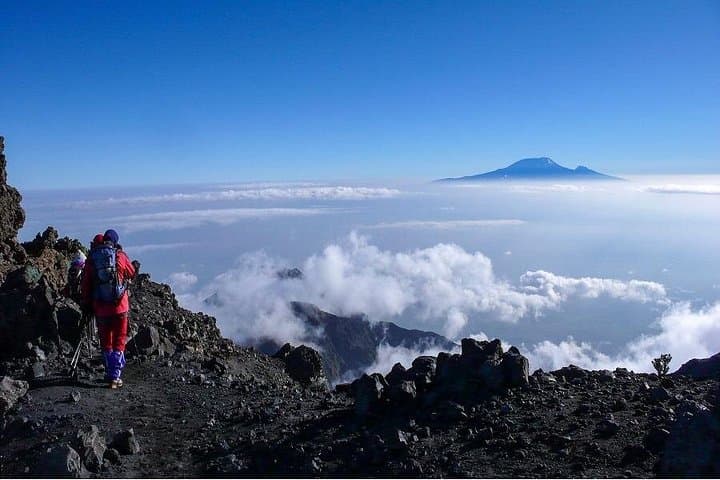
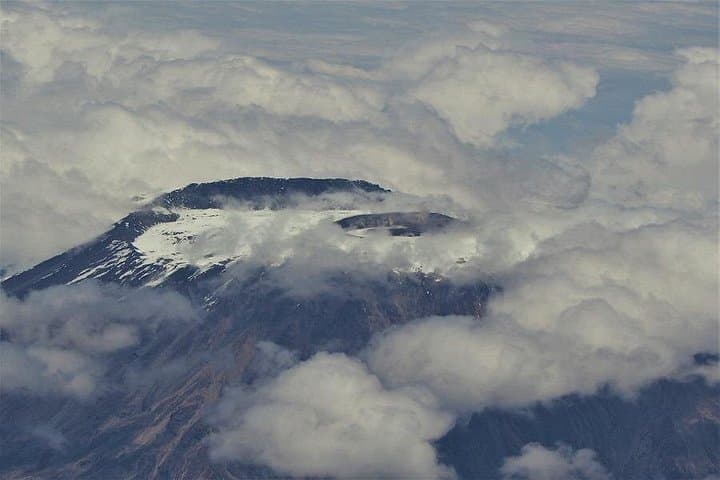
Kilimanjaro is a dormant stratovolcano made of three cones — Kibo, Mawenzi and Shira — and Rongai offers a quieter line that shows Kibo’s ice fields from distance and occasional wildlife in the trees below. The route threads through zones shaped by volcanic soil and shifting weather; the Chagga people have lived on these lower slopes for generations, and the climb’s human rhythm — porters, guides, evening songs — is as much part of the experience as the geology.
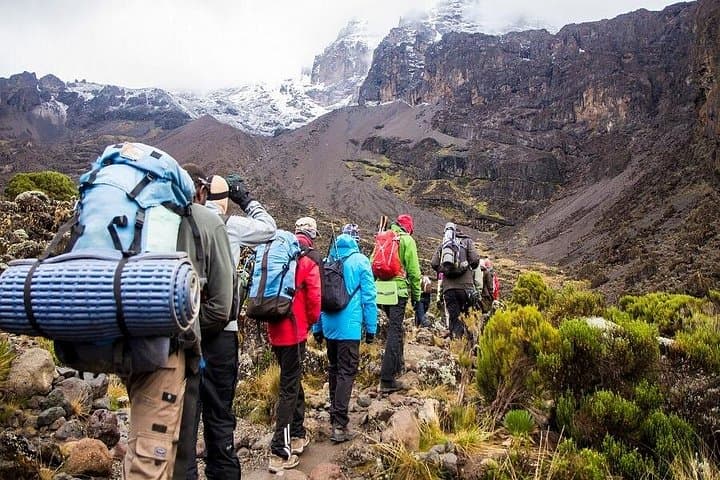
Expect steady days of walking (start ~1,950m; summit 5,895m), gradual acclimatization stops, and a demanding summit night that begins around midnight. Terrain changes from packed earth and tree roots to tussock grasses, then loose volcanic scree on the upper slopes; boots with ankle support are essential. Hydrate, eat small snacks frequently, and use a slow, consistent pace to manage altitude. Meals, park and rescue fees, and four-season tents are typically provided, but carry the layers, headlamp and hand warmers you need for pre-dawn cold.
This itinerary rewards patience: long views across plains, close encounters with blue and colobus monkeys lower down, and a summit where the sun pushes the crater into sharp relief. Practical planning — extra acclimatization time, staged packing, and respect for weather windows — makes the summit realistic rather than risky.
challenging.
7 days.
Good aerobic fitness with experience doing sustained uphill hiking and multi-day treks; should be comfortable hiking 4–8 hours per day.
It’s challenging due to altitude gain (approx. 1,950m to 5,895m) but designed with acclimatization days; fitness and a conservative pace greatly improve success rates.
No technical ice or rope gear is required for the Rongai route — standard high-altitude trekking equipment is sufficient.
Most packages include park and rescue fees, tents, meals on the mountain, guides, porters and transfers; verify specifics like sleeping bags and gratuities ahead of booking.
Dry months from June–October and January–February offer the most stable weather; long rains (March–May) make trails wetter and less comfortable.
Kilimanjaro’s volcanic cones and ice fields have been landmark features for the Chagga people and early explorers; the mountain has cultural significance and a history of early 20th-century scientific and exploration visits.
Kilimanjaro National Park regulates access via permits and fees; practicing leave-no-trace, minimizing waste and using filtered water reduce impact on fragile alpine zones.
Mountain Warriors Tours and Safaris operates guided outdoor trips and adventures with an emphasis on safety, stewardship, and memorable experiences.
Dawn at Rongai Gate feels like stepping into another climate — maize fields give way to a green corridor of montane forest and the trail climbs gently, the Kenyan plains opening to the north like a broad page. The Rongai route approaches Kilimanjaro from the east, moving through fingered rain forest, moorland ridges and an exposed alpine desert before the final push to Uhuru Peak.
Dawn at Rongai Gate feels like stepping into another climate — maize fields give way to a green corridor of montane forest and the trail climbs gently, the Kenyan plains opening to the north like a broad page. The Rongai route approaches Kilimanjaro from the east, moving through fingered rain forest, moorland ridges and an exposed alpine desert before the final push to Uhuru Peak.
Kilimanjaro is a dormant stratovolcano made of three cones — Kibo, Mawenzi and Shira — and Rongai offers a quieter line that shows Kibo’s ice fields from distance and occasional wildlife in the trees below. The route threads through zones shaped by volcanic soil and shifting weather; the Chagga people have lived on these lower slopes for generations, and the climb’s human rhythm — porters, guides, evening songs — is as much part of the experience as the geology.
Expect steady days of walking (start ~1,950m; summit 5,895m), gradual acclimatization stops, and a demanding summit night that begins around midnight. Terrain changes from packed earth and tree roots to tussock grasses, then loose volcanic scree on the upper slopes; boots with ankle support are essential. Hydrate, eat small snacks frequently, and use a slow, consistent pace to manage altitude. Meals, park and rescue fees, and four-season tents are typically provided, but carry the layers, headlamp and hand warmers you need for pre-dawn cold.
This itinerary rewards patience: long views across plains, close encounters with blue and colobus monkeys lower down, and a summit where the sun pushes the crater into sharp relief. Practical planning — extra acclimatization time, staged packing, and respect for weather windows — makes the summit realistic rather than risky.