THE ADVENTURE COLLECTIVE® · Independent discovery and booking for outdoor travel

Walk among stills and oak barrels on a 90-minute tour that traces Dominican sugarcane to aged rum. Learn distillation and aging basics, enjoy guided tastings, and pick up bottles at the on-site shop.
Walk among stills and oak barrels on a 90-minute tour that traces Dominican sugarcane to aged rum. Learn distillation and aging basics, enjoy guided tastings, and pick up bottles at the on-site shop.
You step through a warehouse door and the air changes: a warm, molasses-tinged draft meets you, oak barrels huddle in rows, and copper stills gleam under skylights. The tour moves at a measured pace — from the pale green of harvested sugar cane at the edge of the property to the rhythmic churn of fermentation tanks and the quiet geometry of barrel rooms where time and wood do the work.
Verified experiences and guided adventures in the surrounding area.
Operated by Centro Historico Ron Barcelo · Santo Domingo, Distrito Nacional
You step through a warehouse door and the air changes: a warm, molasses-tinged draft meets you, oak barrels huddle in rows, and copper stills gleam under skylights. The tour moves at a measured pace — from the pale green of harvested sugar cane at the edge of the property to the rhythmic churn of fermentation tanks and the quiet geometry of barrel rooms where time and wood do the work.
Rum in the Dominican Republic grew from sugarcane agriculture and colonial-distillation practices; modern distilleries keep those techniques alive while adding laboratory controls and aging protocols. At Ron Barceló you’ll hear about cane sourcing, distillation basics and the role of oak aging in turning clear spirit into añejo rum that tasters prize.
Culturally, a factory visit reads as industrial theater: workers, machines and bottles in steady procession. Expect a guided walk of light to moderate length, an explanation of machinery and maturation, and a guided tasting of finished expressions — including varieties that earned international awards. The site is open weekdays with a 90-minute tour rhythm and multilingual guides when available.
Practical notes: wear closed-toe shoes for warehouse sections, bring ID for tastings, and plan transport from Santo Domingo — the property sits a short drive outside the city. Pregnant visitors should avoid tastings. Preserve the experience: photograph respectfully, respect staff instructions in production areas, and consider buying a bottled expression at the gift shop to support local producers.
easy.
1.5 hours.
Light walking on level warehouse floors and short steps; suitable for most fitness levels.
Yes — the standard 90-minute tour includes guided tastings of several aged expressions; non-alcoholic options may be limited.
Children under 18 may take the tour without an entrance fee, but they are not permitted to participate in alcohol tastings.
Tours are offered in English and Spanish; other languages such as German, Italian and French may be available on request.
For a full refund cancel at least 24 hours before the scheduled departure; weather-related cancellations may also apply.
Rum production is rooted in Caribbean sugarcane agriculture and colonial-era distillation; modern Dominican brands blend that legacy with contemporary aging techniques.
Distilleries are increasingly focused on reducing waste and reusing byproducts from cane processing; visitors are encouraged to stay on marked paths and support sustainable purchases.
Centro Historico Ron Barcelo operates guided outdoor trips and adventures with an emphasis on safety, stewardship, and memorable experiences.
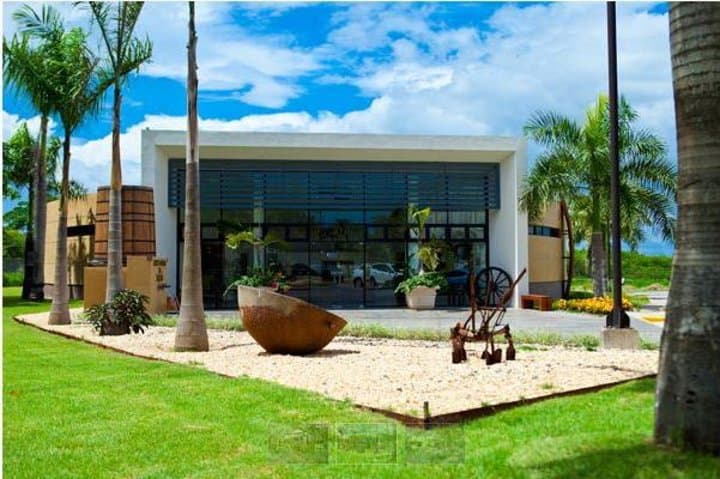
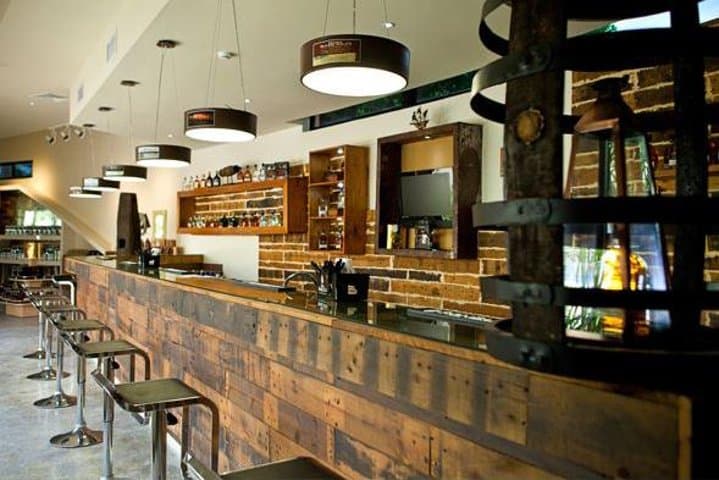
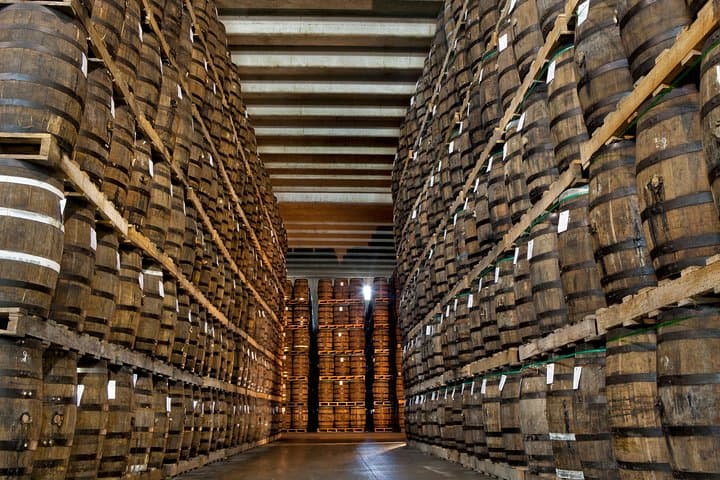
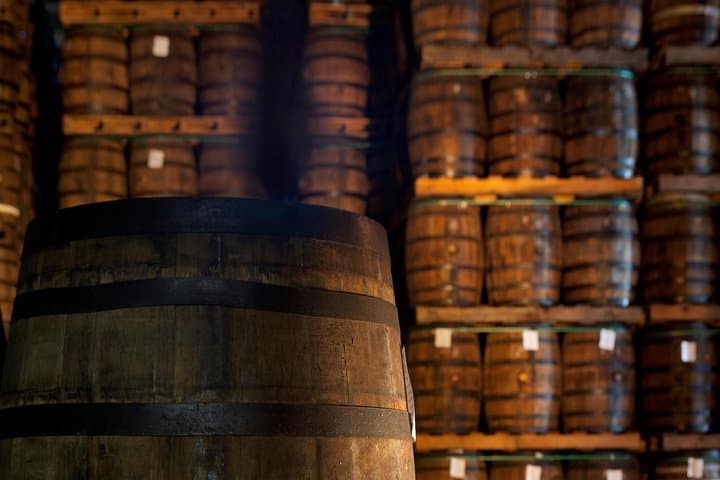
You step through a warehouse door and the air changes: a warm, molasses-tinged draft meets you, oak barrels huddle in rows, and copper stills gleam under skylights. The tour moves at a measured pace — from the pale green of harvested sugar cane at the edge of the property to the rhythmic churn of fermentation tanks and the quiet geometry of barrel rooms where time and wood do the work.
You step through a warehouse door and the air changes: a warm, molasses-tinged draft meets you, oak barrels huddle in rows, and copper stills gleam under skylights. The tour moves at a measured pace — from the pale green of harvested sugar cane at the edge of the property to the rhythmic churn of fermentation tanks and the quiet geometry of barrel rooms where time and wood do the work.
Rum in the Dominican Republic grew from sugarcane agriculture and colonial-distillation practices; modern distilleries keep those techniques alive while adding laboratory controls and aging protocols. At Ron Barceló you’ll hear about cane sourcing, distillation basics and the role of oak aging in turning clear spirit into añejo rum that tasters prize.
Culturally, a factory visit reads as industrial theater: workers, machines and bottles in steady procession. Expect a guided walk of light to moderate length, an explanation of machinery and maturation, and a guided tasting of finished expressions — including varieties that earned international awards. The site is open weekdays with a 90-minute tour rhythm and multilingual guides when available.
Practical notes: wear closed-toe shoes for warehouse sections, bring ID for tastings, and plan transport from Santo Domingo — the property sits a short drive outside the city. Pregnant visitors should avoid tastings. Preserve the experience: photograph respectfully, respect staff instructions in production areas, and consider buying a bottled expression at the gift shop to support local producers.