THE ADVENTURE COLLECTIVE® · Independent discovery and booking for outdoor travel

Take your family below Rome’s busy streets on a three-hour private tour that visits the Capuchin Crypt, the City of Water beneath the Trevi Fountain, and the buried Domitian Stadium under Piazza Navona. Expect narrow passages, cool stone, and stories that bring Roman engineering and daily life to life for kids.
Take your family below Rome’s busy streets on a three-hour private tour that visits the Capuchin Crypt, the City of Water beneath the Trevi Fountain, and the buried Domitian Stadium under Piazza Navona. Expect narrow passages, cool stone, and stories that bring Roman engineering and daily life to life for kids.
You step off a sun-warmed cobblestone and descend; the city’s usual chatter thins until the cool of carved stone wraps around you. In three hours a private guide will shepherd your family through dim chapels, water channels and a hidden stadium—places where Rome keeps its secrets below the bustle.
Verified experiences and guided adventures in the surrounding area.
Operated by Real Barcelona Tours · Rome, Lazio
You step off a sun-warmed cobblestone and descend; the city’s usual chatter thins until the cool of carved stone wraps around you. In three hours a private guide will shepherd your family through dim chapels, water channels and a hidden stadium—places where Rome keeps its secrets below the bustle.
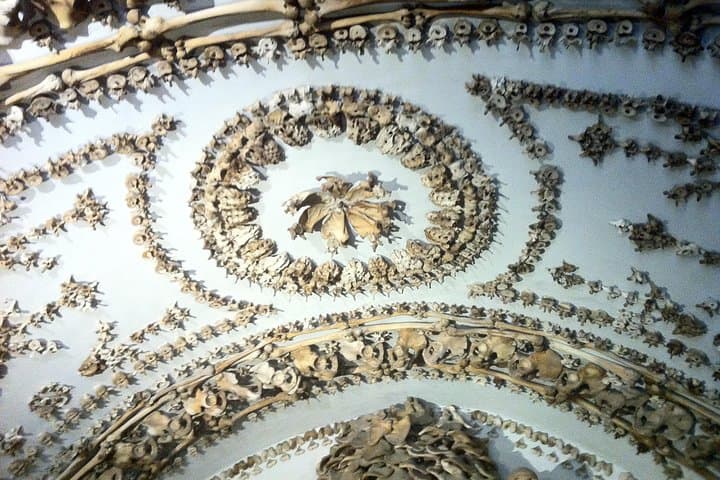
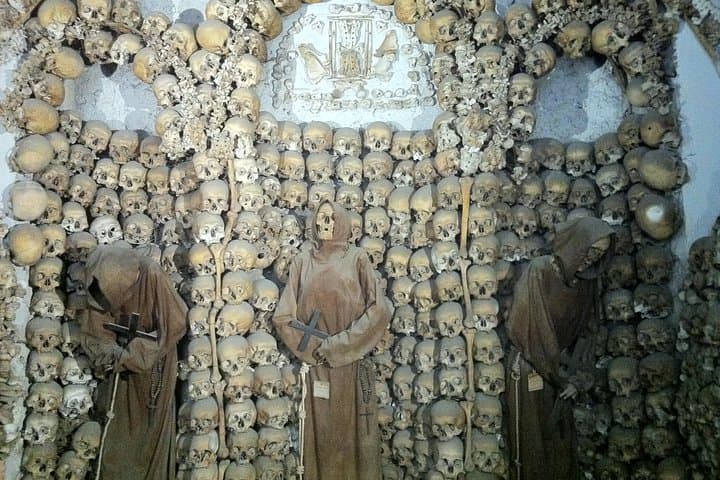
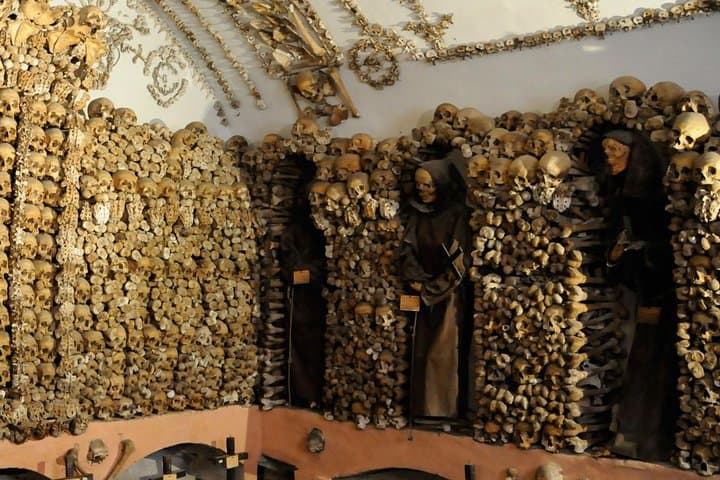
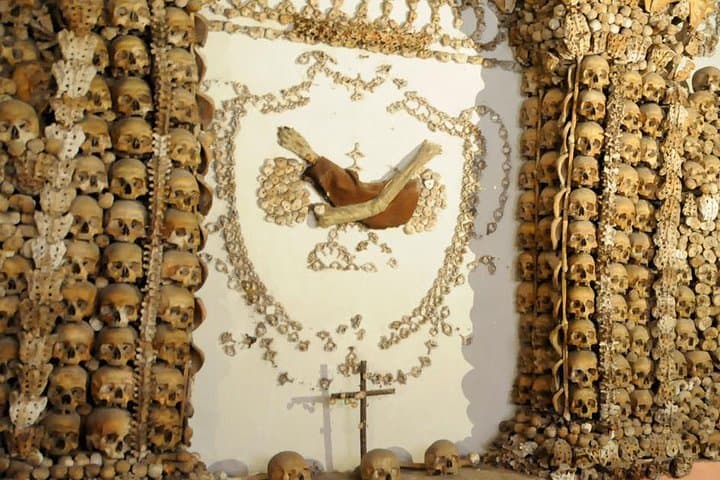
Begin at the Capuchin Crypt, where bone arrangements mark a centuries-old conversation about mortality and craft. From there the tour slips beneath the roar of the Trevi Fountain into Vicus Caprarius, the City of Water: exposed layers of the Aqua Virgo aqueduct and urban plumbing that once fed imperial Rome. The final act lies beneath Piazza Navona, where the Domitian Stadium’s curving foundations hint at crowds and contests washed away by time.
Geology and engineering meet culture here—travertine and tufa support layering of imperial Rome, medieval repairs and modern archaeology. Guides frame those layers for kids with storytelling and tactile discovery while also contextualizing Roman builders such as Agrippa and Domitian.
Practicalities: expect narrow passages, a lot of stairs and cool, humid air—dress in layers and cover knees and shoulders for religious sites. The route mostly involves easy walking but includes uneven surfaces; strollers are impractical. Bring a small flashlight for curious corners, hydrate beforehand (public restrooms are limited) and plan the tour for morning or late afternoon to avoid peak crowds at surface attractions.
This underground walk is less about vistas and more about contact: with stone, water and stories that made Rome. It’s ideal for families who want an active, sensory way to learn history beyond the postcard façades.
easy.
3 hours.
Light walking ability required; able to manage multiple flights of stairs and some standing. Not suitable for strollers or those unable to navigate narrow passages.
The tour is designed for families with children; most kids aged 6 and up engage well with the stories and spaces, though younger children can attend if comfortable with stairs and dim areas.
No—many sites include stairs and narrow passages; travelers requiring accessibility accommodations should contact the operator for alternatives.
Yes—tickets for the Capuchin Crypt and Domitian Stadium are included as noted in the itinerary; confirm any special closures ahead of your date.
A modest dress code is enforced for places of worship: no sleeveless tops or shorts that leave knees uncovered. You may be refused entry if not properly covered.
This route traces infrastructure from the Aqua Virgo (completed 19 BC by Marcus Agrippa) to the Domitian Stadium commissioned in the Flavian era—layers of republican and imperial Rome lie one atop another.
These fragile sites are monitored to limit wear from foot traffic; follow guide instructions, avoid touching artifacts and respect restricted areas to help preserve the archaeology.
Real Barcelona Tours operates guided outdoor trips and adventures with an emphasis on safety, stewardship, and memorable experiences.
You step off a sun-warmed cobblestone and descend; the city’s usual chatter thins until the cool of carved stone wraps around you. In three hours a private guide will shepherd your family through dim chapels, water channels and a hidden stadium—places where Rome keeps its secrets below the bustle.
You step off a sun-warmed cobblestone and descend; the city’s usual chatter thins until the cool of carved stone wraps around you. In three hours a private guide will shepherd your family through dim chapels, water channels and a hidden stadium—places where Rome keeps its secrets below the bustle.
Begin at the Capuchin Crypt, where bone arrangements mark a centuries-old conversation about mortality and craft. From there the tour slips beneath the roar of the Trevi Fountain into Vicus Caprarius, the City of Water: exposed layers of the Aqua Virgo aqueduct and urban plumbing that once fed imperial Rome. The final act lies beneath Piazza Navona, where the Domitian Stadium’s curving foundations hint at crowds and contests washed away by time.
Geology and engineering meet culture here—travertine and tufa support layering of imperial Rome, medieval repairs and modern archaeology. Guides frame those layers for kids with storytelling and tactile discovery while also contextualizing Roman builders such as Agrippa and Domitian.
Practicalities: expect narrow passages, a lot of stairs and cool, humid air—dress in layers and cover knees and shoulders for religious sites. The route mostly involves easy walking but includes uneven surfaces; strollers are impractical. Bring a small flashlight for curious corners, hydrate beforehand (public restrooms are limited) and plan the tour for morning or late afternoon to avoid peak crowds at surface attractions.
This underground walk is less about vistas and more about contact: with stone, water and stories that made Rome. It’s ideal for families who want an active, sensory way to learn history beyond the postcard façades.