THE ADVENTURE COLLECTIVE® · Independent discovery and booking for outdoor travel

A playful, self-guided walking quiz that threads Rome’s Jewish Ghetto to Trastevere. Solve clues, learn neighborhood history, and cover key sites in about 2½ hours.
A playful, self-guided walking quiz that threads Rome’s Jewish Ghetto to Trastevere. Solve clues, learn neighborhood history, and cover key sites in about 2½ hours.
The sun hits the ancient cobbles and the Tiber dares you to look closer — a folded booklet in hand, a small group murmuring answers, and the map that will push you through two of Rome’s most characterful quarters.
Verified experiences and guided adventures in the surrounding area.
Operated by X City Tours · Rome, Lazio
The sun hits the ancient cobbles and the Tiber dares you to look closer — a folded booklet in hand, a small group murmuring answers, and the map that will push you through two of Rome’s most characterful quarters.
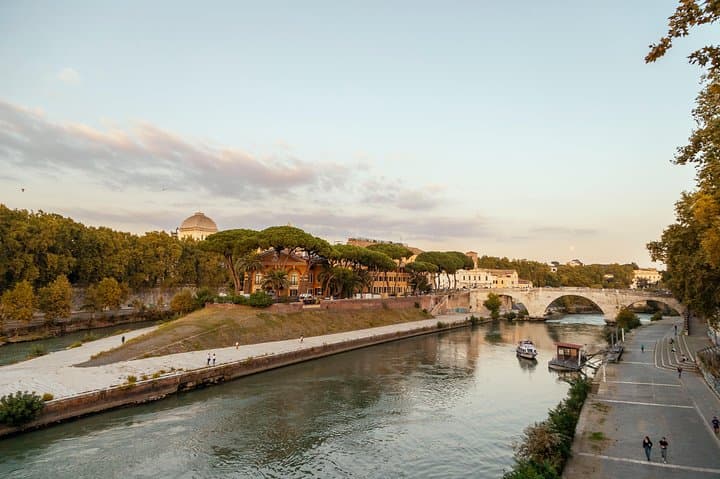
This interactive treasure hunt threads the Jewish Ghetto’s layered history — imposed boundaries from the 16th century and narrow streets lined with kosher bakeries — across the river to Trastevere’s irregular lanes and medieval churches. Geology shows up underfoot: travertine and basalt cobbles smoothed by centuries of feet, while the Tiber, always present, marks routes of commerce and escape.
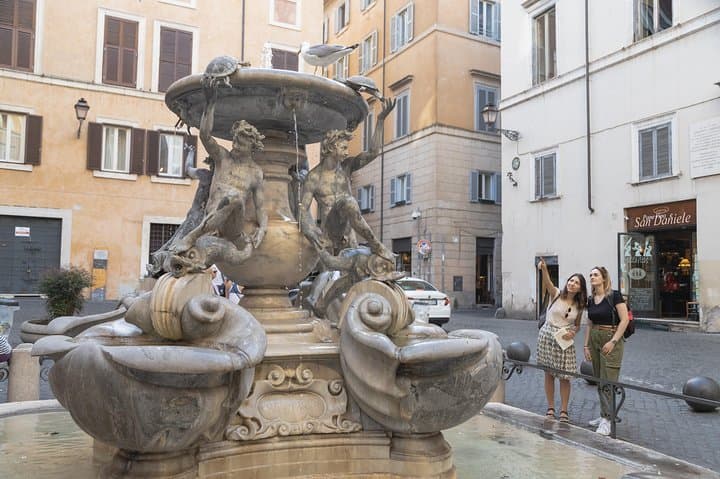
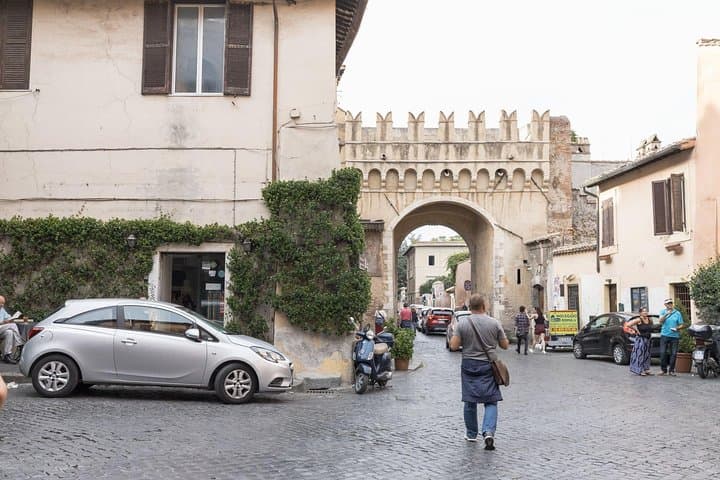
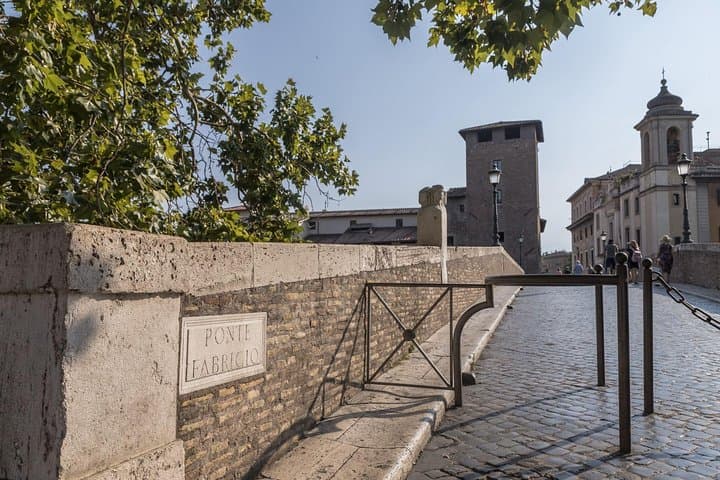
Players move between fountains, ancient doors, and small piazzas, encountering rebuses and quizzes that prompt local stories: the island’s healing shrine, a fountain with civic legends, and an ancient gate with Roman-era traces. The format is social and playful rather than didactic — it rewards curiosity and teamwork more than guide-led lecturing.
Practical side: expect about 2½ hours on mostly flat but uneven cobblestones; comfortable walking shoes and an eye for small details are essential. Public transit drops you close; the game works best in teams of 2–8. Midday heat or weekend crowds can slow progress, so mornings or late afternoons are best for cooler light and clearer streets.
Bring water, a charged phone for photos and maps, and modest respect for residents — this is a lived-in part of Rome. The route is low-impact but rich in local flavor: a compact cultural hike that pairs sightseeing with a competitive, curious edge.
easy.
2–3 hours.
Suitable for most fitness levels; requires walking 2–3 miles on cobblestones and standing for short quizzes.
The experience is presented as an interactive quiz with a map and booklet provided; participants follow clues through the neighborhoods rather than a traditional guided walk.
Teams of 2–8 are ideal to collaborate on puzzles and move efficiently, though larger groups can be accommodated depending on booking terms.
Yes; the activity is family-friendly but infants must sit on an adult’s lap and younger children should be supervised on uneven pavements.
A full refund is available if you cancel at least 24 hours before the scheduled start; check your booking confirmation for specifics.
The Jewish Ghetto was formally established in 1555 and retains distinct architectural and culinary traces; Trastevere dates to Rome’s early urban fabric with medieval churches and artisan lanes.
Respect narrow residential streets by minimizing noise, avoiding litter, and supporting small local shops; use reusable bottles and stay on established paths to protect heritage surfaces.
X City Tours operates guided outdoor trips and adventures with an emphasis on safety, stewardship, and memorable experiences.
The sun hits the ancient cobbles and the Tiber dares you to look closer — a folded booklet in hand, a small group murmuring answers, and the map that will push you through two of Rome’s most characterful quarters.
The sun hits the ancient cobbles and the Tiber dares you to look closer — a folded booklet in hand, a small group murmuring answers, and the map that will push you through two of Rome’s most characterful quarters.
This interactive treasure hunt threads the Jewish Ghetto’s layered history — imposed boundaries from the 16th century and narrow streets lined with kosher bakeries — across the river to Trastevere’s irregular lanes and medieval churches. Geology shows up underfoot: travertine and basalt cobbles smoothed by centuries of feet, while the Tiber, always present, marks routes of commerce and escape.
Players move between fountains, ancient doors, and small piazzas, encountering rebuses and quizzes that prompt local stories: the island’s healing shrine, a fountain with civic legends, and an ancient gate with Roman-era traces. The format is social and playful rather than didactic — it rewards curiosity and teamwork more than guide-led lecturing.
Practical side: expect about 2½ hours on mostly flat but uneven cobblestones; comfortable walking shoes and an eye for small details are essential. Public transit drops you close; the game works best in teams of 2–8. Midday heat or weekend crowds can slow progress, so mornings or late afternoons are best for cooler light and clearer streets.
Bring water, a charged phone for photos and maps, and modest respect for residents — this is a lived-in part of Rome. The route is low-impact but rich in local flavor: a compact cultural hike that pairs sightseeing with a competitive, curious edge.