THE ADVENTURE COLLECTIVE® · Independent discovery and booking for outdoor travel

Make the most of a single day in Florence with round-trip business-class train travel from Rome, skip-the-line Uffizi and Accademia access, and a small-group walking tour. This itinerary pairs efficient travel with concentrated art history and city highlights.
Make the most of a single day in Florence with round-trip business-class train travel from Rome, skip-the-line Uffizi and Accademia access, and a small-group walking tour. This itinerary pairs efficient travel with concentrated art history and city highlights.
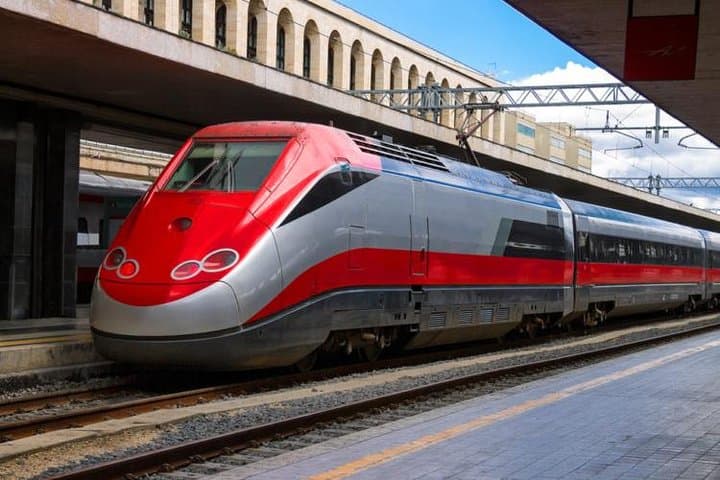
You step onto the high-speed train at Termini with a coffee in hand and the city of Rome folding away behind you. Reclining into a business-class seat, the countryside slides past—a patchwork of olive groves and cypress—while the attendant offers a welcome snack. Ninety minutes later the Arno greets you and the compact streets of Florence pull you into their rhythm.
Verified experiences and guided adventures in the surrounding area.
Operated by LivTours · Florence, Tuscany
You step onto the high-speed train at Termini with a coffee in hand and the city of Rome folding away behind you. Reclining into a business-class seat, the countryside slides past—a patchwork of olive groves and cypress—while the attendant offers a welcome snack. Ninety minutes later the Arno greets you and the compact streets of Florence pull you into their rhythm.
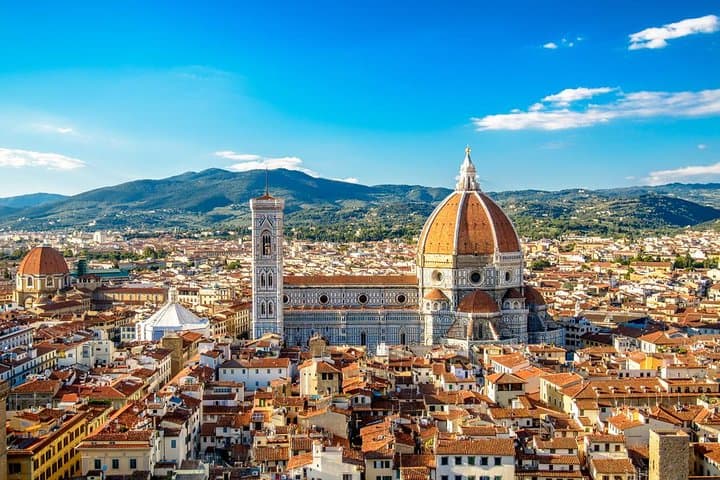
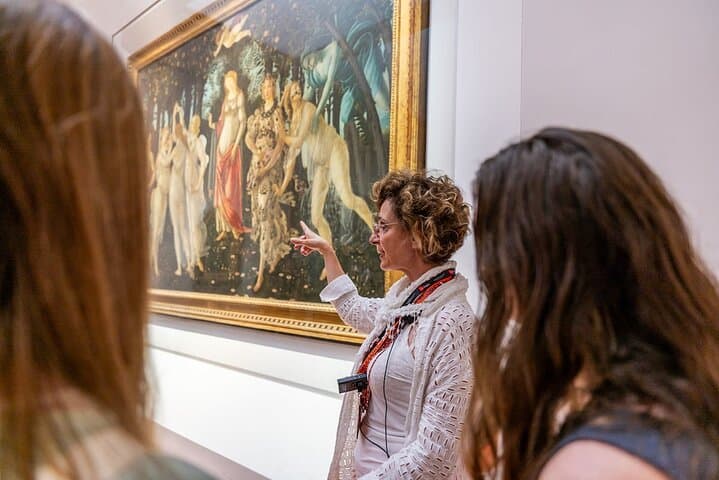
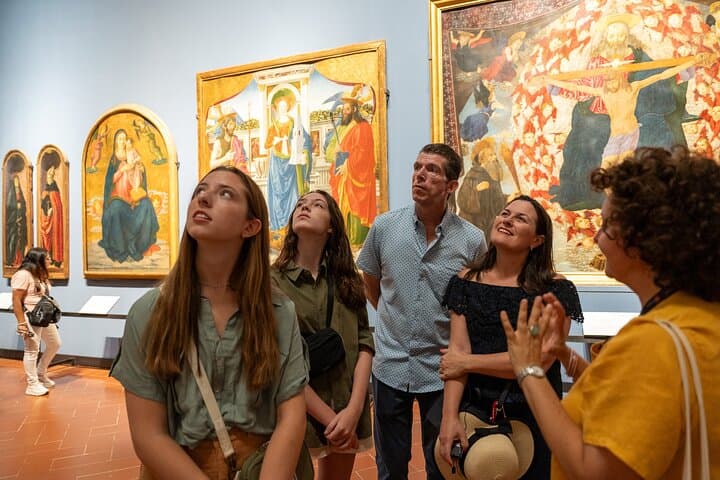
Florence is where Renaissance ambition hardened into marble and paint. The Uffizi began as the Medici administrative offices and evolved into one of the oldest public collections in Europe; rooms of Botticelli, Leonardo and Caravaggio map political power as much as artistic taste. The Accademia’s David represents both technical daring and civic identity. Geologically, the city sits on an alluvial plain carved by the Arno, which has shaped bridges, trade and floods that influenced urban design and repair over centuries.
Practically, this is a walk-heavy cultural day: expect several miles on paved streets, museum stairs, and short queuing despite included admissions. Bring a valid passport or ID (required for ticket names), comfortable shoes, and a lightweight daypack for water and layers. Trains are fast but ticketed seats are fixed once issued; the operator allows one change for business-class guests, but tickets are generally non-refundable. Aim for early departures to maximize museum time and late returns if you want to linger—small-group pacing keeps the visit intimate without rushing the masterpieces.
easy.
10 hours.
Suitable for average fitness; involves sustained walking and standing for museum tours.
Business-class guests may change their train time once; changes are subject to availability and should be arranged through the operator as early as possible.
Yes — the tour includes pre-purchased Uffizi and Accademia tickets, so you will not need to queue to buy entry.
The itinerary notes stroller accessibility for infants, but museum areas include stairs and narrow passages; consider a carrier for easier movement.
Matching ID is required for entry; failure to present correct names can result in denied access and no refund.
Florence rose to prominence under the Medici; the Uffizi started as their offices and private collection before opening to the public in the 18th century.
High visitor numbers strain historic sites — follow signage, avoid touching artworks, and support local businesses to spread tourism benefits.
LivTours operates guided outdoor trips and adventures with an emphasis on safety, stewardship, and memorable experiences.
You step onto the high-speed train at Termini with a coffee in hand and the city of Rome folding away behind you. Reclining into a business-class seat, the countryside slides past—a patchwork of olive groves and cypress—while the attendant offers a welcome snack. Ninety minutes later the Arno greets you and the compact streets of Florence pull you into their rhythm.
You step onto the high-speed train at Termini with a coffee in hand and the city of Rome folding away behind you. Reclining into a business-class seat, the countryside slides past—a patchwork of olive groves and cypress—while the attendant offers a welcome snack. Ninety minutes later the Arno greets you and the compact streets of Florence pull you into their rhythm.
Florence is where Renaissance ambition hardened into marble and paint. The Uffizi began as the Medici administrative offices and evolved into one of the oldest public collections in Europe; rooms of Botticelli, Leonardo and Caravaggio map political power as much as artistic taste. The Accademia’s David represents both technical daring and civic identity. Geologically, the city sits on an alluvial plain carved by the Arno, which has shaped bridges, trade and floods that influenced urban design and repair over centuries.
Practically, this is a walk-heavy cultural day: expect several miles on paved streets, museum stairs, and short queuing despite included admissions. Bring a valid passport or ID (required for ticket names), comfortable shoes, and a lightweight daypack for water and layers. Trains are fast but ticketed seats are fixed once issued; the operator allows one change for business-class guests, but tickets are generally non-refundable. Aim for early departures to maximize museum time and late returns if you want to linger—small-group pacing keeps the visit intimate without rushing the masterpieces.