THE ADVENTURE COLLECTIVE® · Independent discovery and booking for outdoor travel

Experience the Vatican’s great galleries with skip-the-line access and a professional guide. Move from ancient statuary to Michelangelo’s ceiling in a focused two-hour tour that balances art history with practical logistics.
Experience the Vatican’s great galleries with skip-the-line access and a professional guide. Move from ancient statuary to Michelangelo’s ceiling in a focused two-hour tour that balances art history with practical logistics.
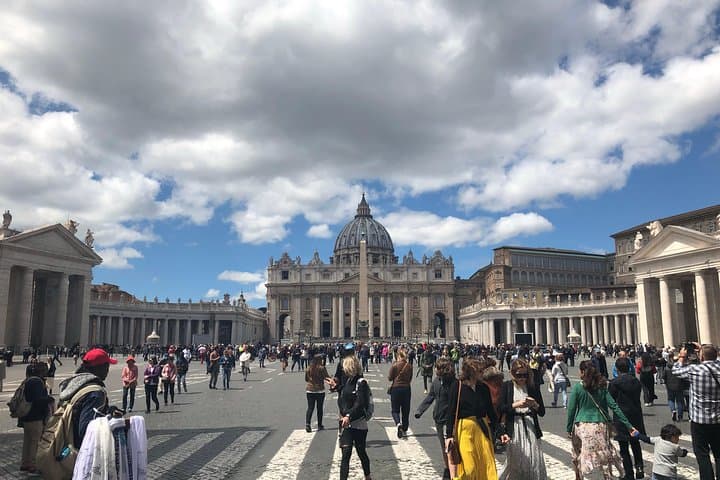
You step through a modest doorway and the noise of Rome folds away—an arcade of stone and shadow guides you into corridors hung with tapestries and painted maps. Light from high windows skims marble floors while the guide’s voice threads stories through rooms that have held popes, princes and pilgrims for five centuries.
Verified experiences and guided adventures in the surrounding area.
Operated by World City Tour · Vatican City, Lazio
You step through a modest doorway and the noise of Rome folds away—an arcade of stone and shadow guides you into corridors hung with tapestries and painted maps. Light from high windows skims marble floors while the guide’s voice threads stories through rooms that have held popes, princes and pilgrims for five centuries.
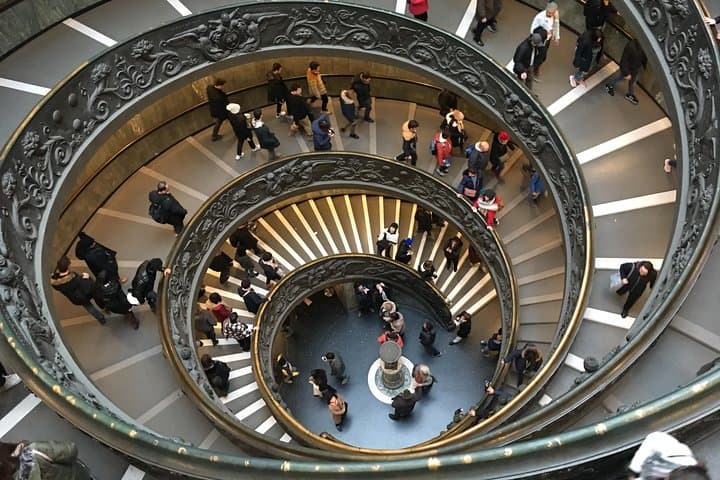
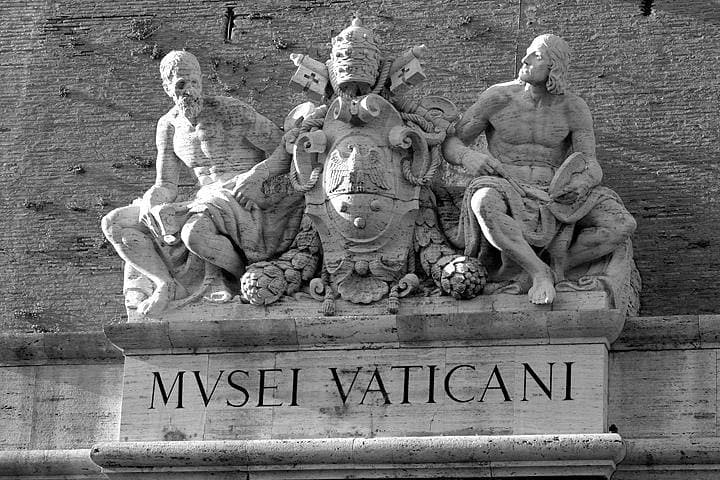
The Vatican Museums began as private papal collections in the early 1500s and grew under successive pontiffs into one of the world’s largest art repositories. Architectural cues—the travertine stairs, the Bramante staircase’s curve, the Belvedere Courtyard—trace Rome’s material history: marble quarried from nearby hills, sculpted and reused across epochs. Culture here is both religious and civic; the Sistine Chapel served liturgical functions even as Michelangelo turned its ceiling into a visual argument about creation and judgment.
Expect concentrated art history: Roman statuary, Raphael’s rooms, the Gallery of Maps’ cartographic ambitions, then the Sistine Chapel’s frescoes—visitors must be quiet, phones tucked away, eyes upward. Conservation is constant; lighting and access are calibrated to protect pigments.
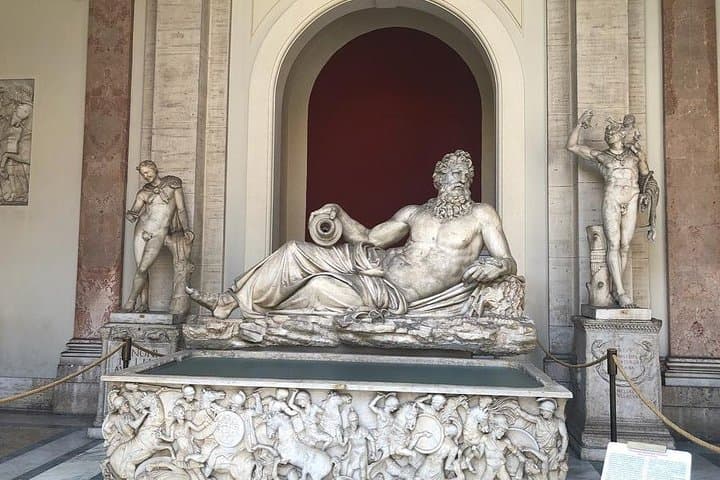
Practical guidance: this is a 2-hour, mostly indoor walk with stairs and standing; dress modestly (shoulders and knees covered) for chapel entry. Security and cloakroom checks are standard—pack light, secure valuables, and hydrate before entering. Early morning slots reduce crowds; summer afternoons are busiest. Photography is allowed in many galleries but prohibited inside the Sistine Chapel. If you want context beyond the highlights, ask your guide to linger in the Pio-Clementine rooms and Gallery of Maps—brief deviations reveal the museum’s quieter masterpieces.
moderate.
2 hours.
Light to moderate mobility—able to walk for 90–120 minutes and climb stairs; some standing required.
No—photography and video are prohibited inside the Sistine Chapel; flash and loud conversation are also banned to protect the frescoes.
Parts of the Vatican Museums have elevators and ramps, but some galleries include stairs—notify the operator in advance to arrange accessible routing.
This tour is listed as all sales final; confirm the operator’s policy at booking and review any special conditions before purchase.
The standard guided itinerary lasts about 2 hours, typically covering major galleries and approximately 15 minutes in the Sistine Chapel.
The core collections began under Pope Julius II in the early 16th century and expanded through donations and papal commissions; Michelangelo painted the Sistine Chapel ceiling between 1508–1512.
Strict visitor management, climate controls and no-flash photography protect fragile frescoes; staying on designated paths and following guide instructions helps reduce wear.
World City Tour operates guided outdoor trips and adventures with an emphasis on safety, stewardship, and memorable experiences.
You step through a modest doorway and the noise of Rome folds away—an arcade of stone and shadow guides you into corridors hung with tapestries and painted maps. Light from high windows skims marble floors while the guide’s voice threads stories through rooms that have held popes, princes and pilgrims for five centuries.
You step through a modest doorway and the noise of Rome folds away—an arcade of stone and shadow guides you into corridors hung with tapestries and painted maps. Light from high windows skims marble floors while the guide’s voice threads stories through rooms that have held popes, princes and pilgrims for five centuries.
The Vatican Museums began as private papal collections in the early 1500s and grew under successive pontiffs into one of the world’s largest art repositories. Architectural cues—the travertine stairs, the Bramante staircase’s curve, the Belvedere Courtyard—trace Rome’s material history: marble quarried from nearby hills, sculpted and reused across epochs. Culture here is both religious and civic; the Sistine Chapel served liturgical functions even as Michelangelo turned its ceiling into a visual argument about creation and judgment.
Expect concentrated art history: Roman statuary, Raphael’s rooms, the Gallery of Maps’ cartographic ambitions, then the Sistine Chapel’s frescoes—visitors must be quiet, phones tucked away, eyes upward. Conservation is constant; lighting and access are calibrated to protect pigments.
Practical guidance: this is a 2-hour, mostly indoor walk with stairs and standing; dress modestly (shoulders and knees covered) for chapel entry. Security and cloakroom checks are standard—pack light, secure valuables, and hydrate before entering. Early morning slots reduce crowds; summer afternoons are busiest. Photography is allowed in many galleries but prohibited inside the Sistine Chapel. If you want context beyond the highlights, ask your guide to linger in the Pio-Clementine rooms and Gallery of Maps—brief deviations reveal the museum’s quieter masterpieces.