THE ADVENTURE COLLECTIVE® · Independent discovery and booking for outdoor travel

Walk Rome through the eyes of someone who lives it. This private, customizable walking tour covers major sights and local corners with a guide who prioritizes practical tips and neighborhood insight.
Walk Rome through the eyes of someone who lives it. This private, customizable walking tour covers major sights and local corners with a guide who prioritizes practical tips and neighborhood insight.
You step off the tram into a slice of Rome where cobbles slope toward a sunlit fountain and the Tiber dares you to follow its curve. A local guide folds the map into memory and leads you through alleys that open onto grand plazas—the city moves at human pace, and every corner carries an echo of an older Rome.
Verified experiences and guided adventures in the surrounding area.
Operated by Suisse Plus Travel · Rome, Lazio
You step off the tram into a slice of Rome where cobbles slope toward a sunlit fountain and the Tiber dares you to follow its curve. A local guide folds the map into memory and leads you through alleys that open onto grand plazas—the city moves at human pace, and every corner carries an echo of an older Rome.
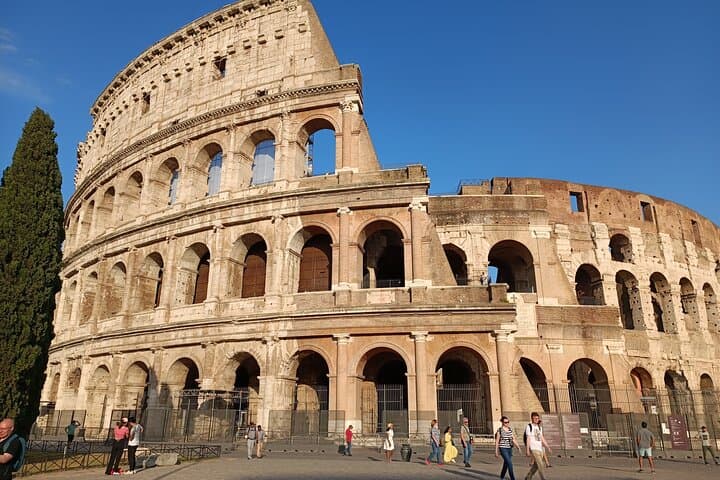
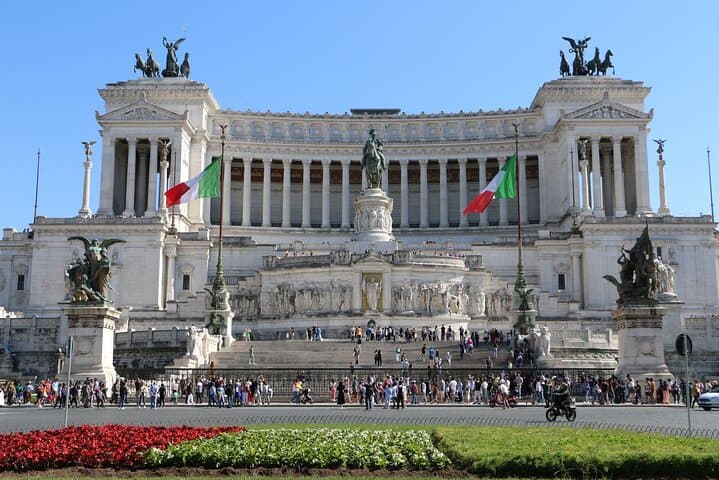
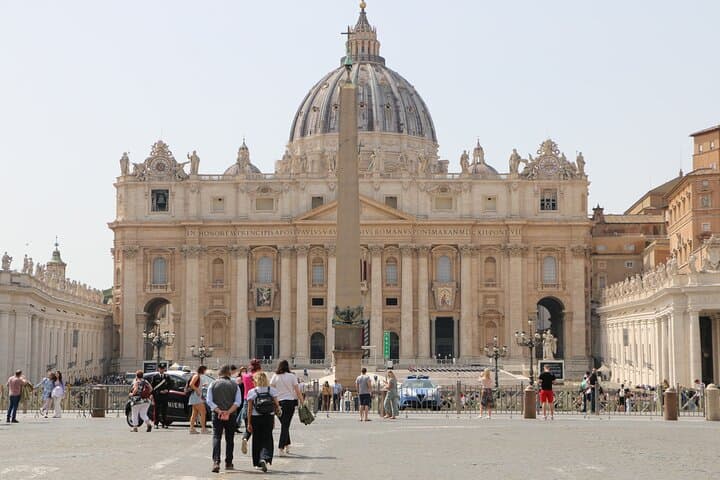
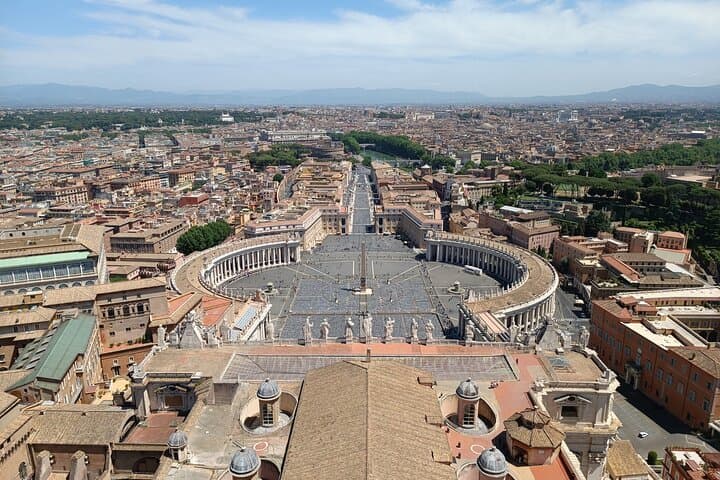
On a walking tour through Rome you'll pass icons and intimate corners: the Baroque drama of the Trevi Fountain, the sweeping Spanish Steps, the layered ruins of the Forum and Circus Maximus, and the compact sovereignty of Vatican City and St. Peter’s Basilica. Geology here is visible in travertine and tufa stone; the city rests on sedimentary terraces shaped by the Tiber and centuries of human build-up. Cultural layers—from Imperial Rome to Renaissance patronage and modern neighborhood life—are readable in façades, piazza rituals, and trattorie where recipes are local memory.
Guides described as “local” will focus on lived experience: where to eat, when to visit, and how to navigate crowds rather than in-depth archaeological lectures. Expect customizable pacing—2–8 hours depending on your interests—and lots of walking on uneven, cobbled streets.
Practical guidance: wear broken-in walking shoes, carry water, and plan morning or late-afternoon slots to avoid midday crowds and heat in summer. Book a private tour to shape the route—add Trastevere’s lanes or the quieter Pincian Hill terraces if you prefer less-touristed views. Keep an eye on pick-up logistics and allow time for security lines near the Vatican. With a local at your side, Rome becomes a city of approachable stories rather than a list of must-sees.
easy.
2–8 hours.
Suitable for most fitness levels; expect several miles of walking on cobbles and occasional stairs
Tours run 2–8 hours and are fully customizable—pick the sites you want to prioritize when you book or at meeting time.
Standard private walking tours typically do not include museum entrance fees; confirm with your operator if you want skip-the-line or paid-entry options.
Many central areas are accessible, and the provider notes wheelchair and stroller accessibility, but cobbles and some historic sites may limit access—discuss routes in advance.
Tipping is customary for good service in Italy; 5–10% or a few euros per person is standard but discretionary based on the experience.
Rome’s center is a palimpsest—Imperial forums, medieval churches, Renaissance palazzi and modern neighborhoods occupy overlapping strata that tell the city’s long civic and religious history.
High visitor volumes stress historic sites—stay on marked paths, avoid touching ancient surfaces, and support local businesses to keep tourism sustainable.
Suisse Plus Travel operates guided outdoor trips and adventures with an emphasis on safety, stewardship, and memorable experiences.
You step off the tram into a slice of Rome where cobbles slope toward a sunlit fountain and the Tiber dares you to follow its curve. A local guide folds the map into memory and leads you through alleys that open onto grand plazas—the city moves at human pace, and every corner carries an echo of an older Rome.
You step off the tram into a slice of Rome where cobbles slope toward a sunlit fountain and the Tiber dares you to follow its curve. A local guide folds the map into memory and leads you through alleys that open onto grand plazas—the city moves at human pace, and every corner carries an echo of an older Rome.
On a walking tour through Rome you'll pass icons and intimate corners: the Baroque drama of the Trevi Fountain, the sweeping Spanish Steps, the layered ruins of the Forum and Circus Maximus, and the compact sovereignty of Vatican City and St. Peter’s Basilica. Geology here is visible in travertine and tufa stone; the city rests on sedimentary terraces shaped by the Tiber and centuries of human build-up. Cultural layers—from Imperial Rome to Renaissance patronage and modern neighborhood life—are readable in façades, piazza rituals, and trattorie where recipes are local memory.
Guides described as “local” will focus on lived experience: where to eat, when to visit, and how to navigate crowds rather than in-depth archaeological lectures. Expect customizable pacing—2–8 hours depending on your interests—and lots of walking on uneven, cobbled streets.
Practical guidance: wear broken-in walking shoes, carry water, and plan morning or late-afternoon slots to avoid midday crowds and heat in summer. Book a private tour to shape the route—add Trastevere’s lanes or the quieter Pincian Hill terraces if you prefer less-touristed views. Keep an eye on pick-up logistics and allow time for security lines near the Vatican. With a local at your side, Rome becomes a city of approachable stories rather than a list of must-sees.