THE ADVENTURE COLLECTIVE® · Independent discovery and booking for outdoor travel

Glide through Rome in an electric golf cart, pairing subterranean history at the Catacombs of Saint Callixtus with fast access to the city’s major piazzas and ruins. Ideal for travelers who want efficient, guided exploration with minimal walking.
Glide through Rome in an electric golf cart, pairing subterranean history at the Catacombs of Saint Callixtus with fast access to the city’s major piazzas and ruins. Ideal for travelers who want efficient, guided exploration with minimal walking.
The morning light hits cobblestones and marble, and a compact, electric golf cart hums to life at the edge of the Appian Way. You slip into a low seat, the city’s layers unfurling as the driver-threaded streets give way to broad ancient arteries. The cart eases past the outline of Circus Maximus, through quiet piazzas, and then down a shaded stretch where the entrance to the Catacombs of Saint Callixtus waits like a cool secret.
Verified experiences and guided adventures in the surrounding area.
Operated by Rome Tours · Rome, Lazio
The morning light hits cobblestones and marble, and a compact, electric golf cart hums to life at the edge of the Appian Way. You slip into a low seat, the city’s layers unfurling as the driver-threaded streets give way to broad ancient arteries. The cart eases past the outline of Circus Maximus, through quiet piazzas, and then down a shaded stretch where the entrance to the Catacombs of Saint Callixtus waits like a cool secret.
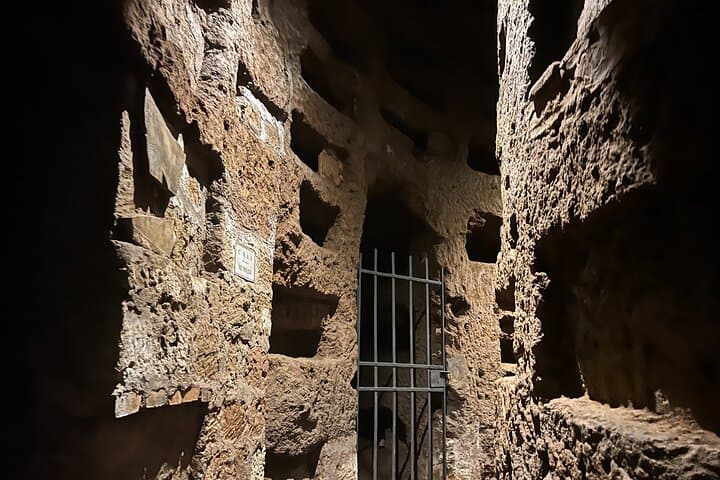
Below ground, narrow tunnels press the air close and carved loculi—burial niches—hold centuries of quiet. The catacombs date to the 2nd–4th centuries AD and were an important Christian burial network; early popes and martyrs were interred here, and frescoes and inscriptions trace the community’s rituals and beliefs. Above ground, Rome’s geology of travertine and volcanic tuff shaped both temples and tombs; the Appian Way itself still bears the imprint of Roman engineering and later urban life.
The tour threads cultural touchstones—Piazza Navona’s fountains, the Pantheon’s oculus, the theatrical façade of Teatro di Marcello—while guides connect iconography, papal history, and local anecdotes about how Romans live with the past.
Practical note: the catacombs are cool and uneven underfoot; wear closed shoes and bring a light layer. Expect limited photography underground and periods of standing. The private golf cart minimizes walking and maximizes ground covered, but there are short on-foot segments; allow 2–3 hours and plan for city traffic. This is an efficient, respectful way to see Rome’s subterranean and surface highlights with minimal transit between sites.
easy.
2–3 hours.
Minimal fitness required; mostly seated with short walks on uneven surfaces
Typical duration is 2–3 hours (120–180 minutes), covering the catacombs plus several surface highlights by golf cart.
The catacombs have narrow, uneven passages and steps; the tour minimizes walking but the underground sections are not wheelchair accessible.
The tour is not suitable for babies/very young children; older children who can manage stairs and quiet behavior may join.
Yes, the catacombs entrance fee and a professional guide are included in the tour price.
The Catacombs of Saint Callixtus formed part of an extensive Christian burial network from the 2nd to 4th centuries AD and were used by early Christian communities, including burials of several popes.
The catacombs are fragile archaeological sites; visitor numbers are managed and visitors are asked to avoid touching frescoes or inscriptions to limit wear.
Rome Tours operates guided outdoor trips and adventures with an emphasis on safety, stewardship, and memorable experiences.


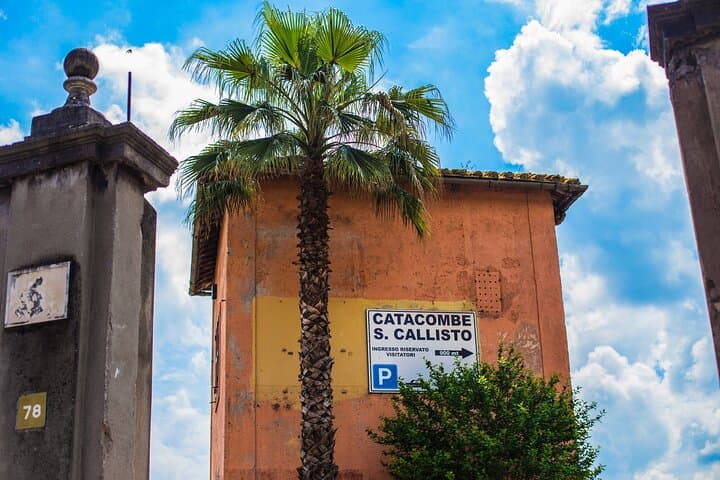
The morning light hits cobblestones and marble, and a compact, electric golf cart hums to life at the edge of the Appian Way. You slip into a low seat, the city’s layers unfurling as the driver-threaded streets give way to broad ancient arteries. The cart eases past the outline of Circus Maximus, through quiet piazzas, and then down a shaded stretch where the entrance to the Catacombs of Saint Callixtus waits like a cool secret.
The morning light hits cobblestones and marble, and a compact, electric golf cart hums to life at the edge of the Appian Way. You slip into a low seat, the city’s layers unfurling as the driver-threaded streets give way to broad ancient arteries. The cart eases past the outline of Circus Maximus, through quiet piazzas, and then down a shaded stretch where the entrance to the Catacombs of Saint Callixtus waits like a cool secret.
Below ground, narrow tunnels press the air close and carved loculi—burial niches—hold centuries of quiet. The catacombs date to the 2nd–4th centuries AD and were an important Christian burial network; early popes and martyrs were interred here, and frescoes and inscriptions trace the community’s rituals and beliefs. Above ground, Rome’s geology of travertine and volcanic tuff shaped both temples and tombs; the Appian Way itself still bears the imprint of Roman engineering and later urban life.
The tour threads cultural touchstones—Piazza Navona’s fountains, the Pantheon’s oculus, the theatrical façade of Teatro di Marcello—while guides connect iconography, papal history, and local anecdotes about how Romans live with the past.
Practical note: the catacombs are cool and uneven underfoot; wear closed shoes and bring a light layer. Expect limited photography underground and periods of standing. The private golf cart minimizes walking and maximizes ground covered, but there are short on-foot segments; allow 2–3 hours and plan for city traffic. This is an efficient, respectful way to see Rome’s subterranean and surface highlights with minimal transit between sites.