THE ADVENTURE COLLECTIVE® · Independent discovery and booking for outdoor travel

Learn to make classic Roman pizza and tiramisu in a family-friendly kitchen steps from the Colosseum. This 2½-hour hands-on class combines practical technique with local flavor—perfect for kids and adults.
Learn to make classic Roman pizza and tiramisu in a family-friendly kitchen steps from the Colosseum. This 2½-hour hands-on class combines practical technique with local flavor—perfect for kids and adults.
Step inside a warm Roman kitchen a short walk from the Colosseum and the city’s pulse changes to the rhythm of kneading and laughter.
Verified experiences and guided adventures in the surrounding area.
Operated by Carpe Diem Tours · Rome, Lazio
Step inside a warm Roman kitchen a short walk from the Colosseum and the city’s pulse changes to the rhythm of kneading and laughter.
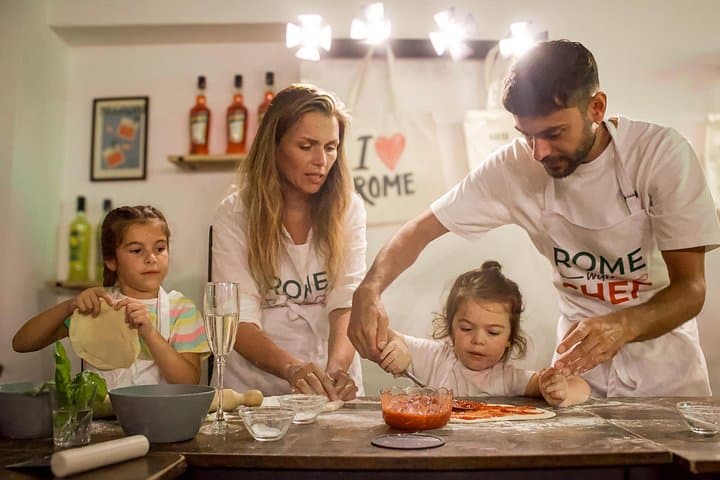
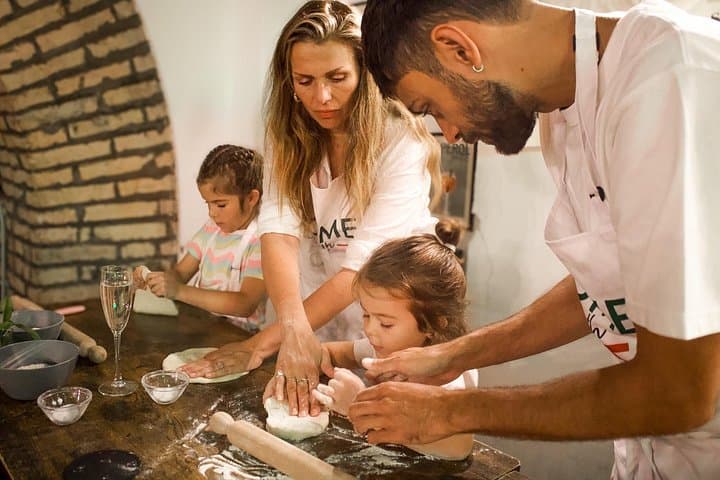
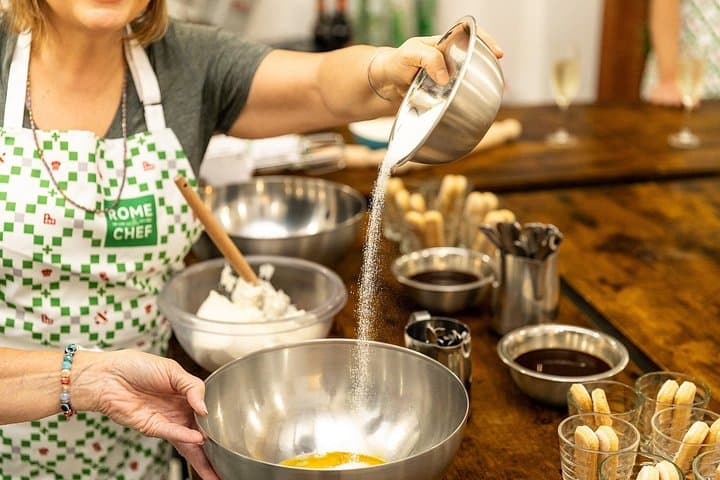
Sunlight slants through a simple window as flour dusts hands and small chefs—children and adults alike—learn to stretch dough into a thin base that will crisp at the edges. The instructor moves between stations, demonstrating the right bounce for dough and the temper of a tomato sauce. Once pizzas slide into the oven, attention shifts to tiramisu: espresso, mascarpone, and cocoa coming together with practiced ease.
Rome’s food culture is a product of layered history—ancient grain routes, regional peasant techniques, and a 19th–20th century popularization of simple, high-quality ingredients. The Colosseum’s travertine and the Tiber’s steady flow shaped the neighborhoods; nearby markets still sell the same sun-ripened tomatoes and buffalo mozzarella that define Roman pizza.
This class is practical and hands-on: expect a mix of demonstration and participation, child-safe tools for younger cooks, and options for vegetarians. It’s not set up for gluten-free diners with celiac disease.
Practical tips: arrive on time to settle into your station, wear comfortable clothes you don’t mind dusting with flour, and keep children supervised during hot-oven time. The session runs about 2½ hours and ends with everyone sharing the dishes they made—pizza, tiramisu, and local conversation.
For families, it’s an easy cultural immersion that turns a meal into a skill, and a short urban walk back to ancient stone and modern gelato.
easy.
2–3 hours.
Minimal physical fitness required—standing and light lifting for 2–3 hours; suitable for children able to follow instructions.
Yes—children are welcome and provided with child-safe tools, but infants must sit on a lap; active supervision is still required.
Yes—vegetarian toppings and options are available on request; indicate preferences at booking.
No—this particular class cannot safely accommodate gluten-free or celiac diets due to shared kitchen equipment.
Local wine or prosecco is included for adults 18+; non-alcoholic beverages are available for children.
The area around the Colosseum has been a center of trade and daily life since antiquity; Rome’s simple pizzas evolved from peasant flatbreads and market-driven ingredients.
Choose locally-produced ingredients and minimize food waste; small cooking schools often support neighborhood suppliers, so responsible consumption helps local producers.
Carpe Diem Tours operates guided outdoor trips and adventures with an emphasis on safety, stewardship, and memorable experiences.
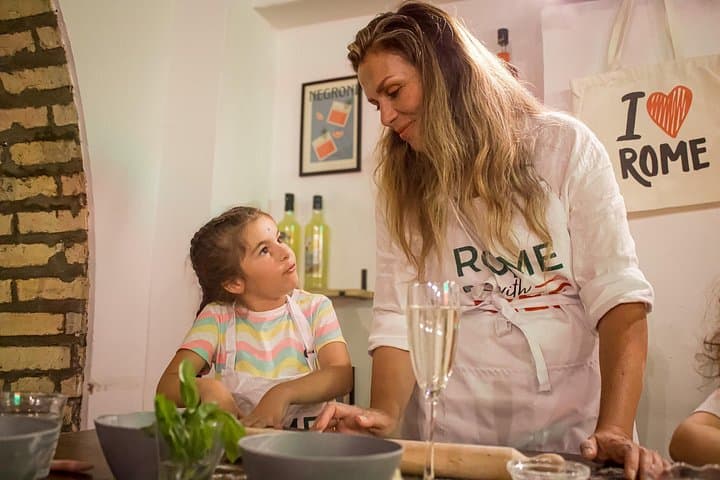
Step inside a warm Roman kitchen a short walk from the Colosseum and the city’s pulse changes to the rhythm of kneading and laughter.
Step inside a warm Roman kitchen a short walk from the Colosseum and the city’s pulse changes to the rhythm of kneading and laughter.
Sunlight slants through a simple window as flour dusts hands and small chefs—children and adults alike—learn to stretch dough into a thin base that will crisp at the edges. The instructor moves between stations, demonstrating the right bounce for dough and the temper of a tomato sauce. Once pizzas slide into the oven, attention shifts to tiramisu: espresso, mascarpone, and cocoa coming together with practiced ease.
Rome’s food culture is a product of layered history—ancient grain routes, regional peasant techniques, and a 19th–20th century popularization of simple, high-quality ingredients. The Colosseum’s travertine and the Tiber’s steady flow shaped the neighborhoods; nearby markets still sell the same sun-ripened tomatoes and buffalo mozzarella that define Roman pizza.
This class is practical and hands-on: expect a mix of demonstration and participation, child-safe tools for younger cooks, and options for vegetarians. It’s not set up for gluten-free diners with celiac disease.
Practical tips: arrive on time to settle into your station, wear comfortable clothes you don’t mind dusting with flour, and keep children supervised during hot-oven time. The session runs about 2½ hours and ends with everyone sharing the dishes they made—pizza, tiramisu, and local conversation.
For families, it’s an easy cultural immersion that turns a meal into a skill, and a short urban walk back to ancient stone and modern gelato.