THE ADVENTURE COLLECTIVE® · Independent discovery and booking for outdoor travel

Move through Rome’s core in a small electric cart with a German-speaking guide — three hours of curated stops, stories, and street-level views. Ideal for first-time visitors who want direction, context, and efficient sightseeing.
Move through Rome’s core in a small electric cart with a German-speaking guide — three hours of curated stops, stories, and street-level views. Ideal for first-time visitors who want direction, context, and efficient sightseeing.
You ease into a small electric cart as cobblestones and church bells slide past — the Colosseum looms one minute, an espresso-barred piazza the next. The guide speaks German, windows open to the scent of baking bread and the Tiber’s quiet pull; the city moves around you like a living map.
Verified experiences and guided adventures in the surrounding area.
Operated by Deutsche Römerin · Rome, Lazio
You ease into a small electric cart as cobblestones and church bells slide past — the Colosseum looms one minute, an espresso-barred piazza the next. The guide speaks German, windows open to the scent of baking bread and the Tiber’s quiet pull; the city moves around you like a living map.
This three-hour route threads Rome’s layered history: imperial stone at the Colosseum, Renaissance fountains at Piazza Navona, Baroque drama at the Trevi Fountain and the marble sweep of Vittorio Emanuele. Geology shows in the travertine facades and tufa foundations that made Rome a durable stage, while the Aventine hill offers a cleaner horizon and a reminder of the city’s medieval gardens. Local stories—why the Spanish Steps carry a French history, or which piazza hides a secret keyhole—are part cultural primer, part neighborhood survival kit.
Practical guidance: tours run in small groups (max seven), use headsets for clarity, and operate in most weather — bring a light rain layer. Morning or late-afternoon slots avoid peak traffic and heat; the cart covers more ground than walking but you still benefit from comfortable shoes for short cobbled stops. Hydration matters even on a drive: bring a refillable bottle and a phone charger for photos.
Expect frequent short stops for photos and context rather than museum entrances; this is an orientation more than in-depth site access. For a first-day overview, it gives orientation, local tips, and a measured pace to plan deeper visits later.
easy.
3 hours.
Suitable for most fitness levels; short walks on cobbles at stops require basic mobility.
The carts have limited accessibility; contact the operator ahead to confirm accommodations and vehicle suitability.
The guide conducts the tour in German; headsets are provided if the group exceeds six participants.
This is an orientation tour with external views and short stops; admissions are not included.
Small-group limit is seven participants to keep the experience intimate and conversational.
The route traces Rome’s layers from imperial forums to Renaissance squares; many streets follow ancient Roman alignments dating to the republic and empire.
Stick to marked roads and avoid littering; small electric carts reduce local emissions but staying on designated routes protects fragile pavements and monuments.
Deutsche Römerin operates guided outdoor trips and adventures with an emphasis on safety, stewardship, and memorable experiences.
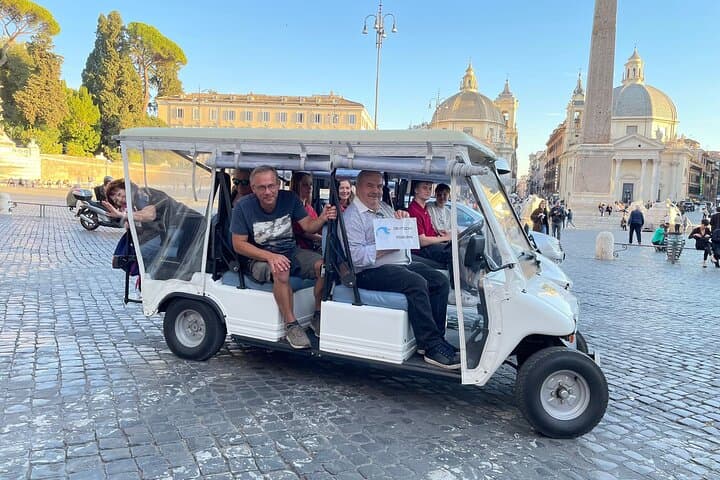
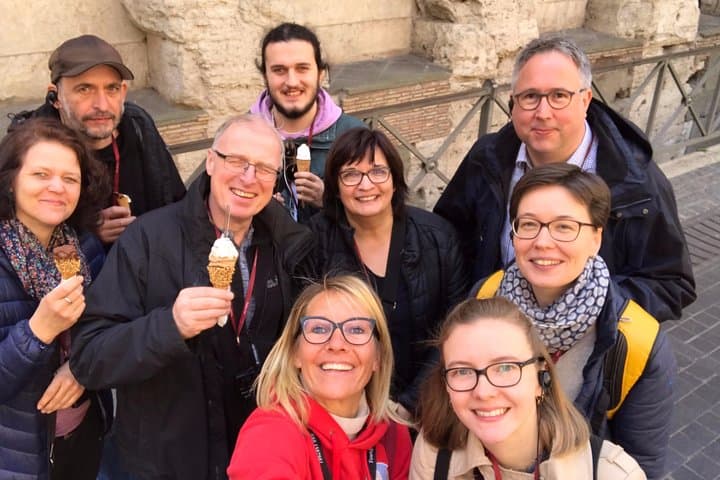
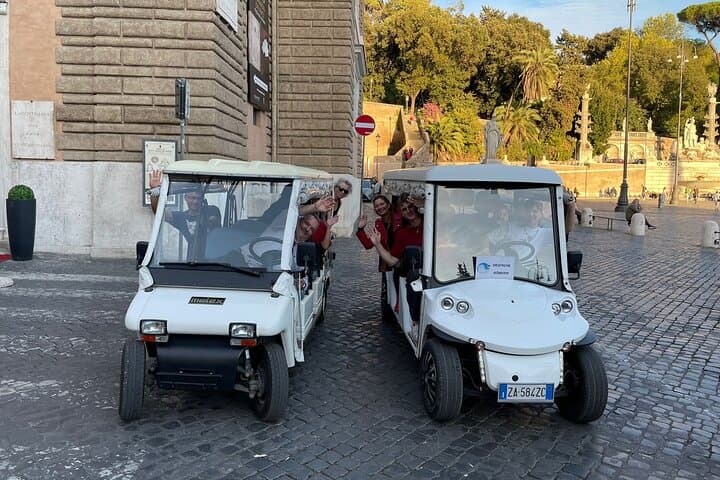
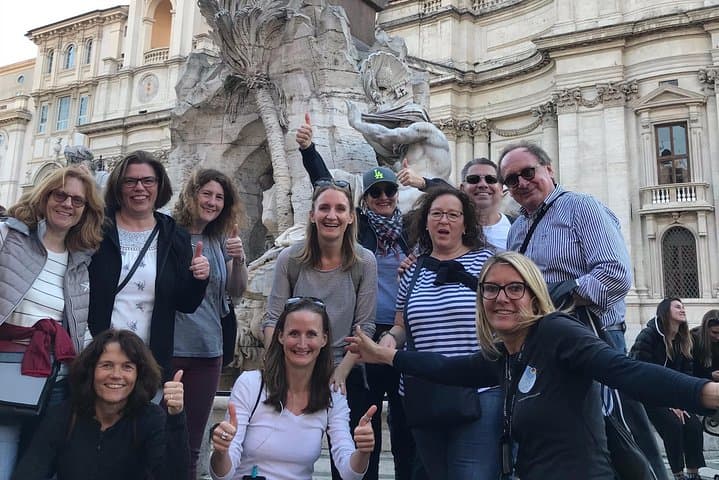
You ease into a small electric cart as cobblestones and church bells slide past — the Colosseum looms one minute, an espresso-barred piazza the next. The guide speaks German, windows open to the scent of baking bread and the Tiber’s quiet pull; the city moves around you like a living map.
You ease into a small electric cart as cobblestones and church bells slide past — the Colosseum looms one minute, an espresso-barred piazza the next. The guide speaks German, windows open to the scent of baking bread and the Tiber’s quiet pull; the city moves around you like a living map.
This three-hour route threads Rome’s layered history: imperial stone at the Colosseum, Renaissance fountains at Piazza Navona, Baroque drama at the Trevi Fountain and the marble sweep of Vittorio Emanuele. Geology shows in the travertine facades and tufa foundations that made Rome a durable stage, while the Aventine hill offers a cleaner horizon and a reminder of the city’s medieval gardens. Local stories—why the Spanish Steps carry a French history, or which piazza hides a secret keyhole—are part cultural primer, part neighborhood survival kit.
Practical guidance: tours run in small groups (max seven), use headsets for clarity, and operate in most weather — bring a light rain layer. Morning or late-afternoon slots avoid peak traffic and heat; the cart covers more ground than walking but you still benefit from comfortable shoes for short cobbled stops. Hydration matters even on a drive: bring a refillable bottle and a phone charger for photos.
Expect frequent short stops for photos and context rather than museum entrances; this is an orientation more than in-depth site access. For a first-day overview, it gives orientation, local tips, and a measured pace to plan deeper visits later.