THE ADVENTURE COLLECTIVE® · Independent discovery and booking for outdoor travel

Walk from St. Peter’s Square to Piazza Farnese on a two-hour guided tour that traces Rome’s darker stories—from Castel Sant'Angelo and Beatrice Cenci to Giordano Bruno at Campo de' Fiori. Expect atmospheric plazas, uneven cobbles, and measured historical storytelling.
Walk from St. Peter’s Square to Piazza Farnese on a two-hour guided tour that traces Rome’s darker stories—from Castel Sant'Angelo and Beatrice Cenci to Giordano Bruno at Campo de' Fiori. Expect atmospheric plazas, uneven cobbles, and measured historical storytelling.
You begin beneath the columns of St. Peter’s Square as evening cools the travertine and the obelisk throws a long, clean shadow across the crowd.
Verified experiences and guided adventures in the surrounding area.
Operated by Rome Tours · Rome, Lazio
You begin beneath the columns of St. Peter’s Square as evening cools the travertine and the obelisk throws a long, clean shadow across the crowd.
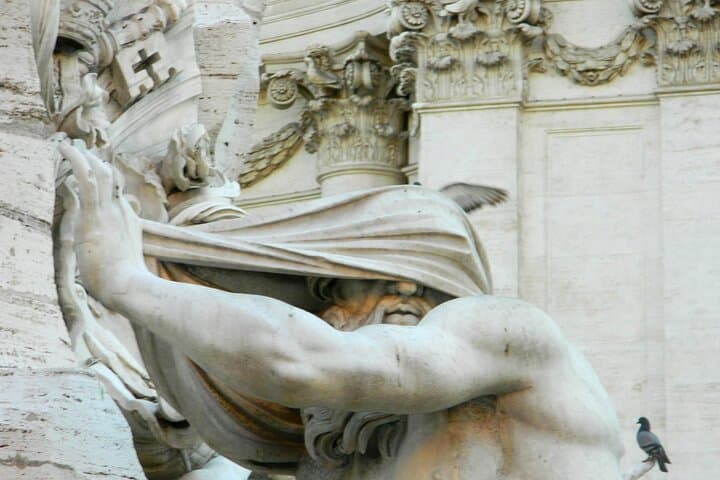
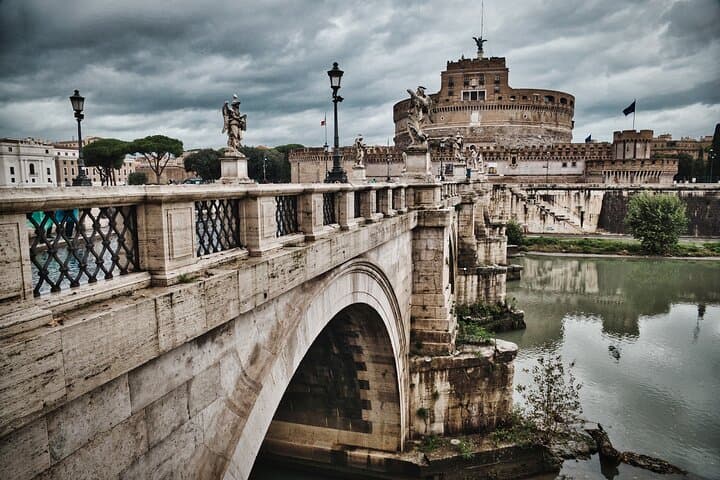
The guide leads the group toward the river; the Tiber seems to tug at your ankles, as if daring you into the city’s less polite history. Along the route, the tour moves from Castel Sant'Angelo’s battered cylinder—once Hadrian’s mausoleum, later a papal refuge—to Piazza Navona’s baroque fountains, where whispers of vanished lives hang in the spray.
History here is concrete and human: Beatrice Cenci’s tragedy at Castel Sant’Angelo, Giordano Bruno’s execution at Campo de' Fiori in 1600, and the Farnese family’s palace politics are told alongside the stones themselves—tufa and travertine cut by centuries of traffic and flood.
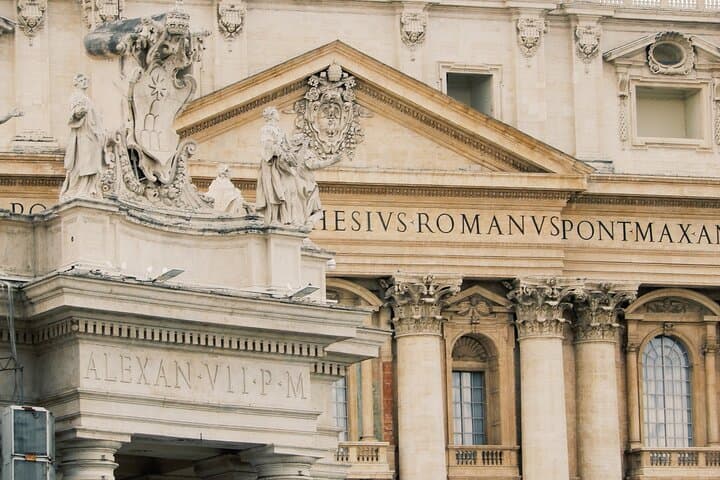
Culturally, the walk stitches sacred space and civic drama: basilica façades, papal escape routes, market squares where public opinion once decided fate. The tour favors atmosphere and story over gore—expect measured retellings, local legend, and stops at plazas rather than interior access.
Practical notes: the route is about 1.5–2 miles on uneven cobbles, with occasional stairs and narrow lanes; bring firm footwear and a warm layer for the evening. Public transport connects nearby and meeting points are typically central. Be ready for crowds, pockets of dim light, and last-minute closures of small venues; guides generally adjust the route to maintain the advertised duration. This is urban exploration with a historical edge—sensory, steady, and best experienced with curiosity and sensible shoes.
moderate.
2 hours.
Moderate: be comfortable walking 1.5–2 miles on uneven, sometimes steep surfaces.
The tour runs about two hours and covers roughly 1.5–2 miles across central Rome with multiple short stops.
Many parts include cobblestones and narrow lanes; accessibility is limited—contact the operator for current accessibility options.
Older children who can manage walking on cobbles and evening city streets are fine; the content deals with historical crimes and executions in a non-graphic way.
Primary tours are typically in English; check the booking page for additional language options or private tour availability.
The route links Imperial-era structures like Hadrian’s mausoleum—later fortified as Castel Sant'Angelo—with early modern events, including Giordano Bruno’s 1600 execution at Campo de' Fiori.
High foot traffic stresses fragile paving and historic facades; stick to established paths, avoid climbing on monuments, and support licensed local guides to help fund maintenance.
Rome Tours operates guided outdoor trips and adventures with an emphasis on safety, stewardship, and memorable experiences.
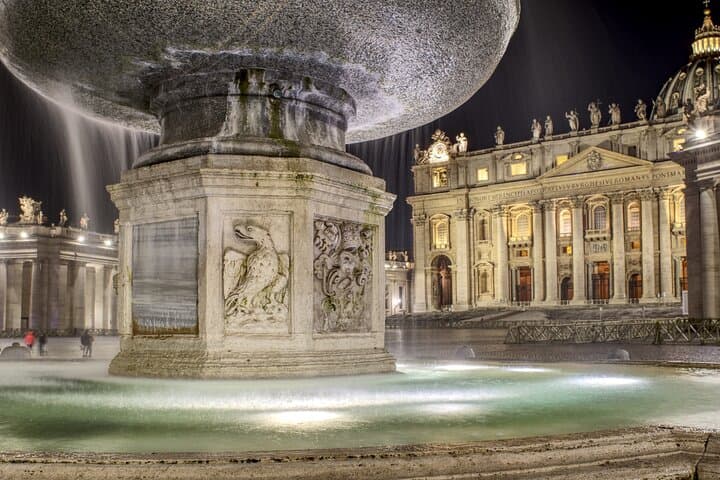
You begin beneath the columns of St. Peter’s Square as evening cools the travertine and the obelisk throws a long, clean shadow across the crowd.
You begin beneath the columns of St. Peter’s Square as evening cools the travertine and the obelisk throws a long, clean shadow across the crowd.
The guide leads the group toward the river; the Tiber seems to tug at your ankles, as if daring you into the city’s less polite history. Along the route, the tour moves from Castel Sant'Angelo’s battered cylinder—once Hadrian’s mausoleum, later a papal refuge—to Piazza Navona’s baroque fountains, where whispers of vanished lives hang in the spray.
History here is concrete and human: Beatrice Cenci’s tragedy at Castel Sant’Angelo, Giordano Bruno’s execution at Campo de' Fiori in 1600, and the Farnese family’s palace politics are told alongside the stones themselves—tufa and travertine cut by centuries of traffic and flood.
Culturally, the walk stitches sacred space and civic drama: basilica façades, papal escape routes, market squares where public opinion once decided fate. The tour favors atmosphere and story over gore—expect measured retellings, local legend, and stops at plazas rather than interior access.
Practical notes: the route is about 1.5–2 miles on uneven cobbles, with occasional stairs and narrow lanes; bring firm footwear and a warm layer for the evening. Public transport connects nearby and meeting points are typically central. Be ready for crowds, pockets of dim light, and last-minute closures of small venues; guides generally adjust the route to maintain the advertised duration. This is urban exploration with a historical edge—sensory, steady, and best experienced with curiosity and sensible shoes.