THE ADVENTURE COLLECTIVE® · Independent discovery and booking for outdoor travel

Walk from the Jewish Ghetto to Trastevere on a 3–4 hour small-group food tour that pairs historic context with local tastings — from supplì and crispy pizza to classic Roman pastas and gelato. Learn the neighborhood stories as you eat.
Walk from the Jewish Ghetto to Trastevere on a 3–4 hour small-group food tour that pairs historic context with local tastings — from supplì and crispy pizza to classic Roman pastas and gelato. Learn the neighborhood stories as you eat.
The scent of frying oil and fresh basil follows you down narrow cobblestone alleys as the Tiber dares you to keep pace. This walking tour begins inside Rome’s ancient Jewish Ghetto — under the crumbled arches of Portico d’Ottavia — then crosses Ponte Sisto to the rumpled lanes of Trastevere and the lively Piazza Trilussa.
Verified experiences and guided adventures in the surrounding area.
Operated by Rome Italy Explora · Rome, Lazio
The scent of frying oil and fresh basil follows you down narrow cobblestone alleys as the Tiber dares you to keep pace. This walking tour begins inside Rome’s ancient Jewish Ghetto — under the crumbled arches of Portico d’Ottavia — then crosses Ponte Sisto to the rumpled lanes of Trastevere and the lively Piazza Trilussa.
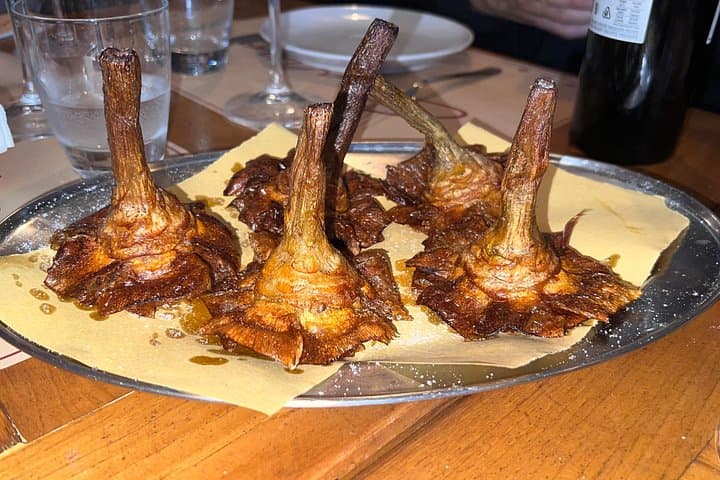
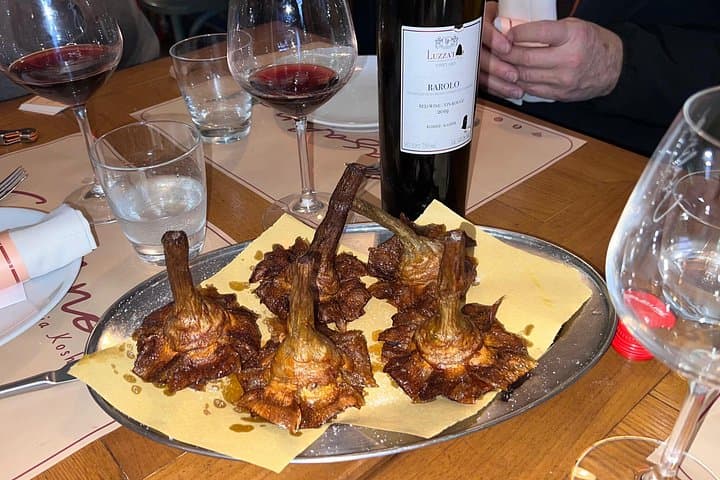
History presses close: the Ghetto was formalized by papal decree in the 16th century and the neighborhood’s food preserves that endurance in recipes like carciofi alla giudia (Jewish-style artichoke) and the compact supplì. Geology and urban design intersect here; the Tiber’s floodplain shaped tight streets and low bridges, which in turn directed markets and taverns into clustered pockets over centuries.
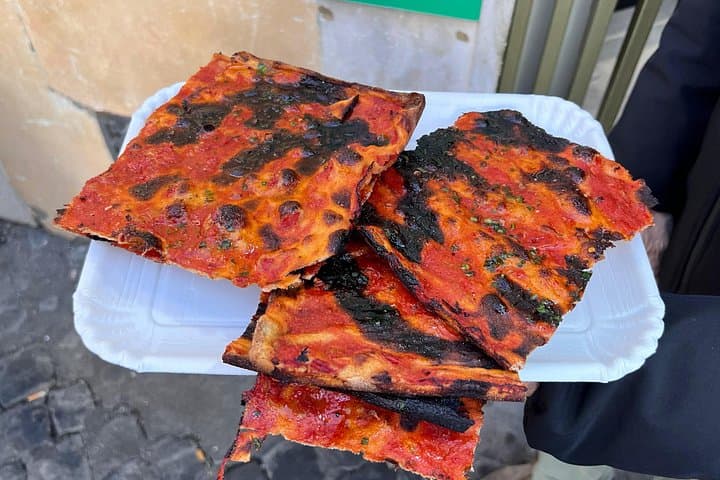
Culture arrives on plates — crispy scrocchiarella pizza, fried ricotta with sour cherry jam and classic Roman pastas (Amatriciana, Carbonara, Cacio e Pepe) — and in voices: Romanesco dialect, neighborhood gossip, and the poet Trilussa’s shadow in the square named for him.
Practically, expect 3–4 hours of easy-paced walking with multiple seated tastings. Surfaces are uneven cobbles and occasional stairs; comfortable shoes matter more than fashion. Let guides know allergies up front; many stops are family-run and accommodate requests when flagged early. Hydrate between tastings, carry small bills for extras, and plan visits in the cooler morning or early evening to avoid summer heat. The tour balances tasting and history, letting the food anchor the stories while neighborhoods reveal their daily rhythms.
easy.
3–4 hours.
Suitable for most fitness levels; requires walking for several blocks and standing during tastings.
Yes — many stops can accommodate vegetarians if notified in advance; tell the operator about restrictions when booking.
The tour lasts 3–4 hours with easy walking across cobbles and a few short stair sections; pacing is relaxed with seated tastings.
The meeting point is provided on booking; the tour includes a drop-off option at central hotels as listed in the tour inclusions.
Children are welcome; infants must sit on an adult’s lap per the tour policy — check child pricing and age limits when booking.
The Roman Ghetto was created by papal decree in 1555; its cuisine preserves Jewish-Roman traditions such as artichokes alla giudia and kosher adaptations within local markets.
Support small, family-run eateries and avoid single-use plastics; minimizing food waste and using public transit helps reduce visitor impact.
Rome Italy Explora operates guided outdoor trips and adventures with an emphasis on safety, stewardship, and memorable experiences.

The scent of frying oil and fresh basil follows you down narrow cobblestone alleys as the Tiber dares you to keep pace. This walking tour begins inside Rome’s ancient Jewish Ghetto — under the crumbled arches of Portico d’Ottavia — then crosses Ponte Sisto to the rumpled lanes of Trastevere and the lively Piazza Trilussa.
The scent of frying oil and fresh basil follows you down narrow cobblestone alleys as the Tiber dares you to keep pace. This walking tour begins inside Rome’s ancient Jewish Ghetto — under the crumbled arches of Portico d’Ottavia — then crosses Ponte Sisto to the rumpled lanes of Trastevere and the lively Piazza Trilussa.
History presses close: the Ghetto was formalized by papal decree in the 16th century and the neighborhood’s food preserves that endurance in recipes like carciofi alla giudia (Jewish-style artichoke) and the compact supplì. Geology and urban design intersect here; the Tiber’s floodplain shaped tight streets and low bridges, which in turn directed markets and taverns into clustered pockets over centuries.
Culture arrives on plates — crispy scrocchiarella pizza, fried ricotta with sour cherry jam and classic Roman pastas (Amatriciana, Carbonara, Cacio e Pepe) — and in voices: Romanesco dialect, neighborhood gossip, and the poet Trilussa’s shadow in the square named for him.
Practically, expect 3–4 hours of easy-paced walking with multiple seated tastings. Surfaces are uneven cobbles and occasional stairs; comfortable shoes matter more than fashion. Let guides know allergies up front; many stops are family-run and accommodate requests when flagged early. Hydrate between tastings, carry small bills for extras, and plan visits in the cooler morning or early evening to avoid summer heat. The tour balances tasting and history, letting the food anchor the stories while neighborhoods reveal their daily rhythms.