THE ADVENTURE COLLECTIVE® · Independent discovery and booking for outdoor travel

Cruise Rome’s historic center by private golf cart and sample pastries, porchetta, pasta, wine and award-winning gelato. This 3–4 hour guided tasting weaves market lore, neighborhood specialties, and short on-foot stops for a high-value snapshot of Roman street cuisine.
Cruise Rome’s historic center by private golf cart and sample pastries, porchetta, pasta, wine and award-winning gelato. This 3–4 hour guided tasting weaves market lore, neighborhood specialties, and short on-foot stops for a high-value snapshot of Roman street cuisine.
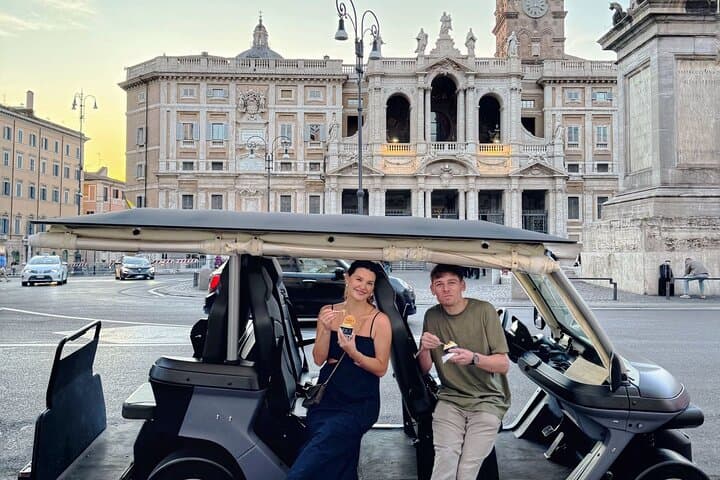
You roll out from a narrow piazza as morning light slants over orange façades; the golf cart hums and the smell of fresh espresso nudges you awake. Streets that once carried legions now carry aromas—fried artichokes, baking crusts, sweet gelato—each stop a short walk from where the cart parks and the guide opens a doorway into local flavor.
Verified experiences and guided adventures in the surrounding area.
Operated by Rolling Rome · Rome, Lazio
You roll out from a narrow piazza as morning light slants over orange façades; the golf cart hums and the smell of fresh espresso nudges you awake. Streets that once carried legions now carry aromas—fried artichokes, baking crusts, sweet gelato—each stop a short walk from where the cart parks and the guide opens a doorway into local flavor.
Rome’s food culture grew where trade routes met the Tiber, and its markets trace back to classical forums and medieval stalls. The city’s layered geology—soft tuff, alluvial terraces near the river—shaped neighborhoods and market sites, while immigrant crops and regional producers made modern Roman cuisine what it is: straightforward, seasonal, and proudly local.
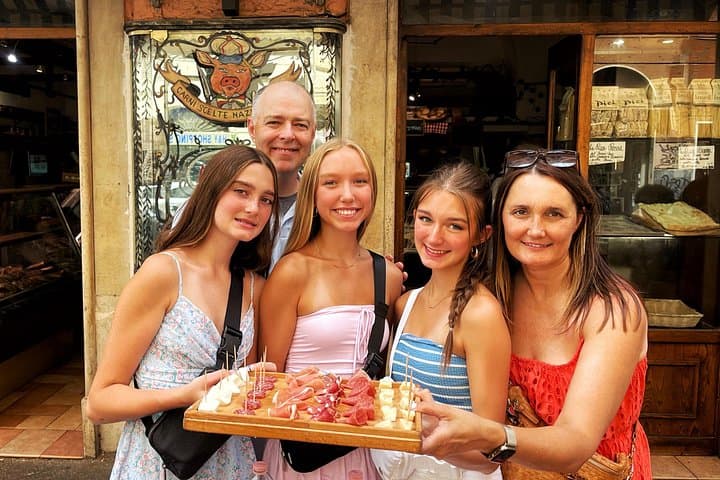
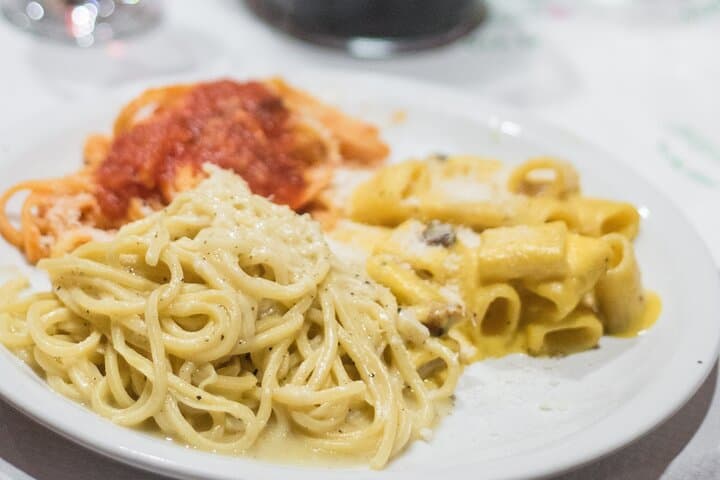
On this private tasting you’ll move between old-school bakeries, a neighborhood friggitoria, an historic deli, an enoteca for pasta and wine, and a gelato maker whose award speaks to technique rather than show. Guides explain porchetta’s origins, the Jewish Ghetto’s influence on Roman frying, and why a market stall still matters in a city of restaurants.
Practical side: the tour lasts about 3–4 hours with short walks at each stop; carts are street-legal with seat belts and rain covers. Wear comfortable shoes for cobblestones, bring a reusable water bottle, and flag dietary restrictions at booking—this route cannot guarantee gluten-free or vegan substitutions. Aim for a late-morning slot to catch markets and bakeries at their peak, and leave room for gelato.
easy.
3–4 hours.
Suitable for most fitness levels—expect several short walks (5–15 minutes) between stops on uneven ground.
Yes—hotel pickup and drop-off are included for hotels in Rome’s historical center; otherwise the meeting point is the Rolling Rome shop at Piazza del Gesù 47.
Vegetarian options are available if you request in advance, but the tour cannot guarantee vegan or gluten-free dishes or accommodate severe food allergies due to potential cross-contamination.
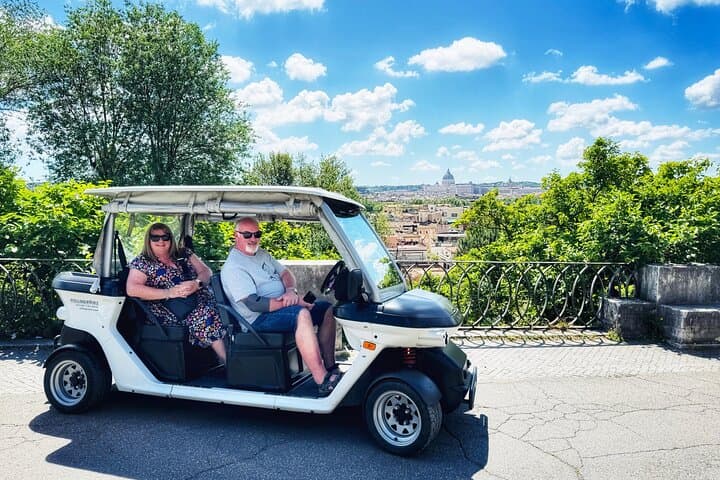
Most tours use six-seat carts (four forward-facing and two rear-facing); seat belts and side protection are provided, and infant seats are available for one baby seat per cart.
The tour runs rain or shine; carts have rain covers and the guide will adapt stops as needed for comfort and safety.
Roman street food grew from market trade at river crossings and the Jewish Ghetto’s centuries-old culinary influence; many recipes reflect regional farmers and butchers converging in city markets.
Support small producers and markets by buying locally and avoiding single-use plastics; be mindful of food waste and follow guides’ tips for sustainable ordering.
Rolling Rome operates guided outdoor trips and adventures with an emphasis on safety, stewardship, and memorable experiences.
You roll out from a narrow piazza as morning light slants over orange façades; the golf cart hums and the smell of fresh espresso nudges you awake. Streets that once carried legions now carry aromas—fried artichokes, baking crusts, sweet gelato—each stop a short walk from where the cart parks and the guide opens a doorway into local flavor.
You roll out from a narrow piazza as morning light slants over orange façades; the golf cart hums and the smell of fresh espresso nudges you awake. Streets that once carried legions now carry aromas—fried artichokes, baking crusts, sweet gelato—each stop a short walk from where the cart parks and the guide opens a doorway into local flavor.
Rome’s food culture grew where trade routes met the Tiber, and its markets trace back to classical forums and medieval stalls. The city’s layered geology—soft tuff, alluvial terraces near the river—shaped neighborhoods and market sites, while immigrant crops and regional producers made modern Roman cuisine what it is: straightforward, seasonal, and proudly local.
On this private tasting you’ll move between old-school bakeries, a neighborhood friggitoria, an historic deli, an enoteca for pasta and wine, and a gelato maker whose award speaks to technique rather than show. Guides explain porchetta’s origins, the Jewish Ghetto’s influence on Roman frying, and why a market stall still matters in a city of restaurants.
Practical side: the tour lasts about 3–4 hours with short walks at each stop; carts are street-legal with seat belts and rain covers. Wear comfortable shoes for cobblestones, bring a reusable water bottle, and flag dietary restrictions at booking—this route cannot guarantee gluten-free or vegan substitutions. Aim for a late-morning slot to catch markets and bakeries at their peak, and leave room for gelato.