THE ADVENTURE COLLECTIVE® · Independent discovery and booking for outdoor travel

A lively, two-hour family treasure hunt through Rome’s Baroque center—solve clues from the Spanish Steps to the Pantheon while exploring fountains, piazzas, and Roman engineering. Ideal for kids with curious minds and parents who want a guided, active city visit.
A lively, two-hour family treasure hunt through Rome’s Baroque center—solve clues from the Spanish Steps to the Pantheon while exploring fountains, piazzas, and Roman engineering. Ideal for kids with curious minds and parents who want a guided, active city visit.
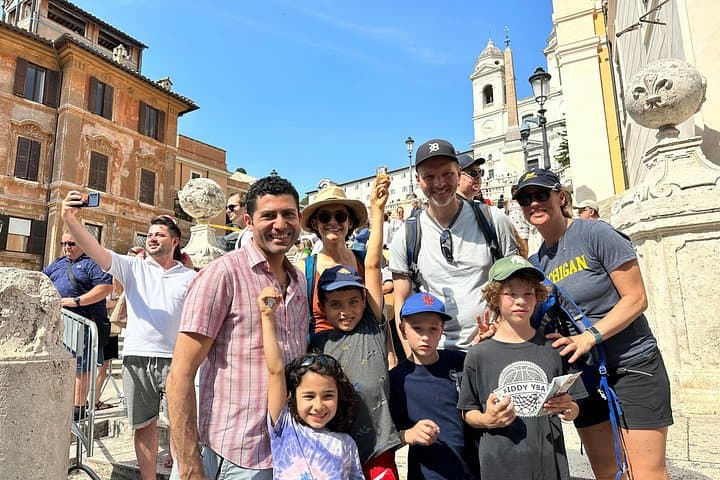
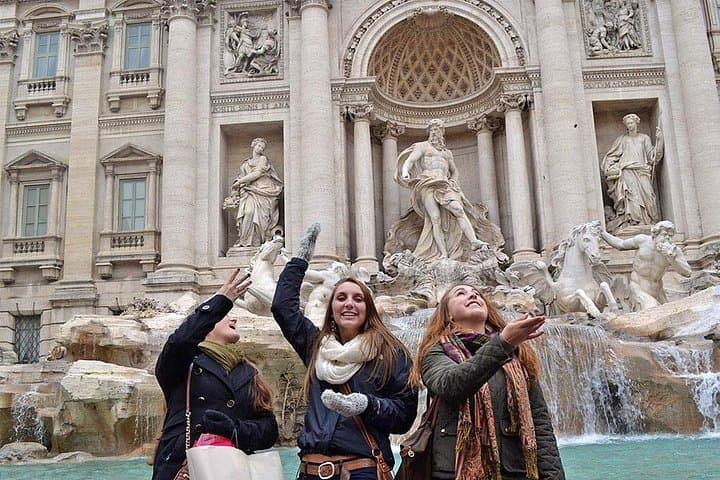
The square hums before you: scooters curve past the Spanish Steps, a column stands watch in Piazza Mignanelli, and the guide hands out the first clue. Children scramble, maps flap, and the city’s fountains almost dare you to slow down—the Trevi’s spray gleams as coins wink back at the crowd.
Verified experiences and guided adventures in the surrounding area.
Operated by Alberto Tours · Rome, Lazio
The square hums before you: scooters curve past the Spanish Steps, a column stands watch in Piazza Mignanelli, and the guide hands out the first clue. Children scramble, maps flap, and the city’s fountains almost dare you to slow down—the Trevi’s spray gleams as coins wink back at the crowd.
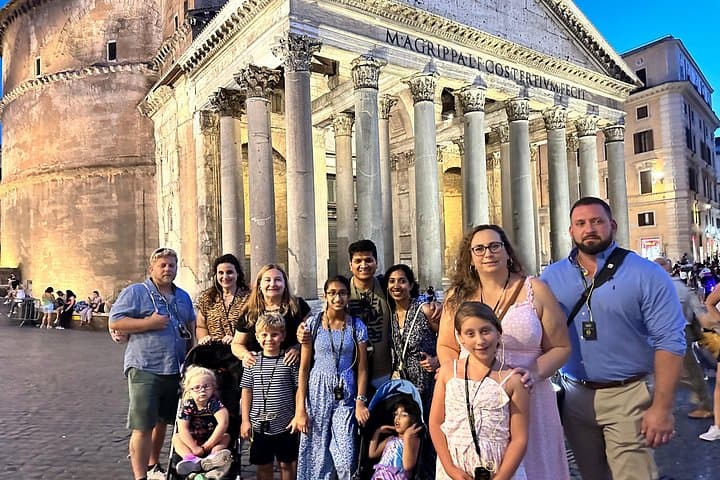
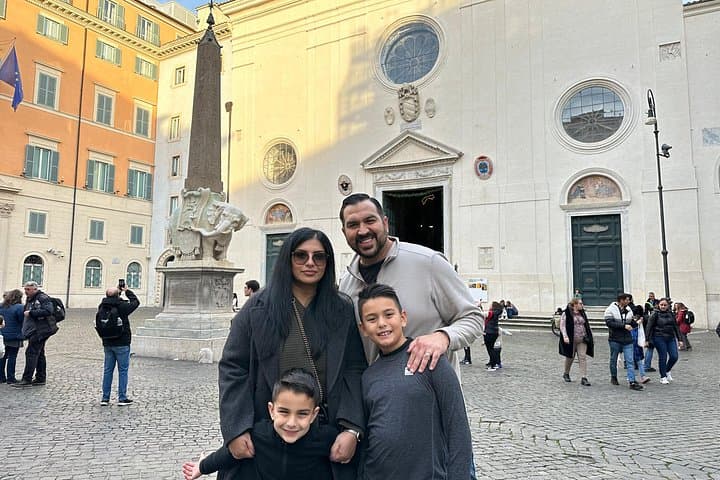
This two-hour urban treasure hunt threads through Rome’s Baroque heart. You’ll approach the Trevi Fountain with its mythic coin-throw tradition, skirt the Pantheon whose concrete dome is the oldest unreinforced example in the world, and circle Piazza Navona with its Bernini fountains. The stones underfoot are mainly travertine and Roman flagstones, worn smooth by centuries of foot traffic; the layout reflects layers of imperial, medieval, and Baroque planning that make central Rome a living museum.
Cultural notes arrive inside the clues: how the coin toss evolved, why the Pantheon’s oculus mattered to Roman engineers, and how fountains once marked civic power. Expect playful competition, family-friendly puzzles, and stops for brief interpretive talks rather than long museum-style explanations.
Practical edge: wear supportive walking shoes, carry a refillable bottle, and plan meeting time 10 minutes early—central Rome is compact but busy. Public transport (metro A, buses) and limited vehicle access mean light packs and awareness of cobbled surfaces will keep the day moving. The route is stroller- and wheelchair-friendly in most stretches but includes curbs and crowded thoroughfares—bring patience as part of your kit.
easy.
2 hours.
Suitable for families and casual walkers; basic stamina for ~1.5–2 miles of city walking.
Yes—clues and pacing are family-focused; children must be accompanied by an adult per provider rules.
Meeting point is Piazza Mignanelli by the Column of the Immaculate Conception, adjacent to the Spanish Steps (Piazza di Spagna).
There are cafes and public restrooms in the area; planned stops are short, so bring small snacks for children if needed.
All sales are final; provider notes no refunds for cancellations and may cancel if minimum travelers are not met.
The route traces layers of Roman history from imperial engineering (the Pantheon’s concrete dome) through Baroque urban renewal that reshaped piazzas and fountains in the 17th century.
Historic sites are fragile—avoid climbing monuments, use public trash and recycling, and respect posted rules around fountains and churches.
Alberto Tours operates guided outdoor trips and adventures with an emphasis on safety, stewardship, and memorable experiences.
The square hums before you: scooters curve past the Spanish Steps, a column stands watch in Piazza Mignanelli, and the guide hands out the first clue. Children scramble, maps flap, and the city’s fountains almost dare you to slow down—the Trevi’s spray gleams as coins wink back at the crowd.
The square hums before you: scooters curve past the Spanish Steps, a column stands watch in Piazza Mignanelli, and the guide hands out the first clue. Children scramble, maps flap, and the city’s fountains almost dare you to slow down—the Trevi’s spray gleams as coins wink back at the crowd.
This two-hour urban treasure hunt threads through Rome’s Baroque heart. You’ll approach the Trevi Fountain with its mythic coin-throw tradition, skirt the Pantheon whose concrete dome is the oldest unreinforced example in the world, and circle Piazza Navona with its Bernini fountains. The stones underfoot are mainly travertine and Roman flagstones, worn smooth by centuries of foot traffic; the layout reflects layers of imperial, medieval, and Baroque planning that make central Rome a living museum.
Cultural notes arrive inside the clues: how the coin toss evolved, why the Pantheon’s oculus mattered to Roman engineers, and how fountains once marked civic power. Expect playful competition, family-friendly puzzles, and stops for brief interpretive talks rather than long museum-style explanations.
Practical edge: wear supportive walking shoes, carry a refillable bottle, and plan meeting time 10 minutes early—central Rome is compact but busy. Public transport (metro A, buses) and limited vehicle access mean light packs and awareness of cobbled surfaces will keep the day moving. The route is stroller- and wheelchair-friendly in most stretches but includes curbs and crowded thoroughfares—bring patience as part of your kit.