THE ADVENTURE COLLECTIVE® · Independent discovery and booking for outdoor travel

Explore Rome by electric bike—glide from Circus Maximus to Aventine Hill, taste Testaccio street food, and pause for panoramic views of the Colosseum. This guided 3-hour ride blends history, short climbs, and local eats with easy e-bike assistance.
Explore Rome by electric bike—glide from Circus Maximus to Aventine Hill, taste Testaccio street food, and pause for panoramic views of the Colosseum. This guided 3-hour ride blends history, short climbs, and local eats with easy e-bike assistance.
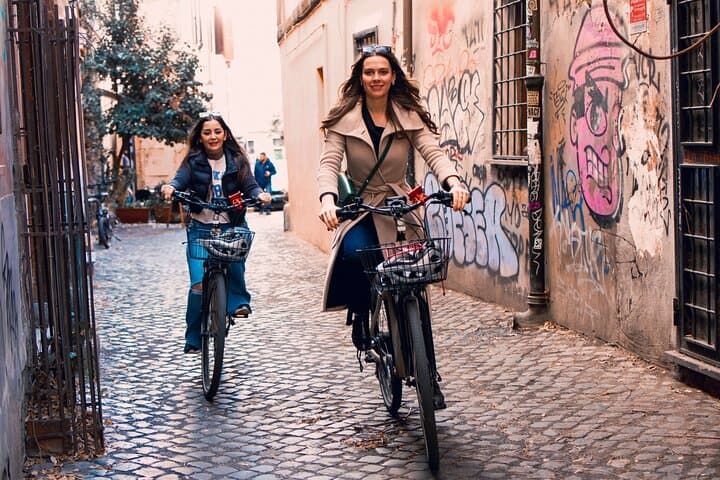
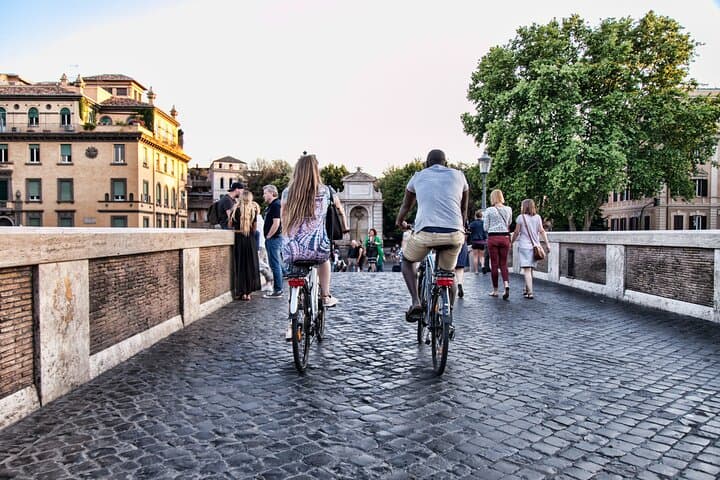
Morning light slips between plane trees along the Tiber as a small group assembles, helmets clicked and e-bikes humming. The guide runs a quick battery and brake check; the city opens up ahead—wide boulevards give way to narrow lanes where ancient stones meet modern scooters. Riders coast past the Circus Maximus, feel the rise toward the Aventine, and inhale citrus from the Garden of Oranges before lining up at the Keyhole of Rome for that famous framed view.
Verified experiences and guided adventures in the surrounding area.
Operated by Easy Bike Rent Rome · Rome, Lazio
Morning light slips between plane trees along the Tiber as a small group assembles, helmets clicked and e-bikes humming. The guide runs a quick battery and brake check; the city opens up ahead—wide boulevards give way to narrow lanes where ancient stones meet modern scooters. Riders coast past the Circus Maximus, feel the rise toward the Aventine, and inhale citrus from the Garden of Oranges before lining up at the Keyhole of Rome for that famous framed view.
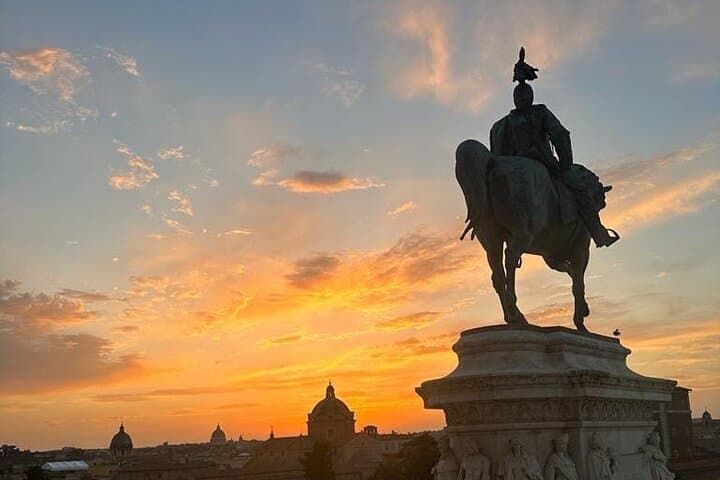
This route threads through Rome’s living layers: Imperial forums and Porticus Octaviae speaking to Republican and imperial civic life, Michelangelo’s reworked Capitoline façades, and Testaccio’s modern food scene built atop Monte Testaccio, an ancient hill of amphora shards. Geology here is subtle—limestone and travertine foundations quarried since antiquity—and the Tiber’s bend has shaped neighborhoods and bridges for two millennia. Culture arrives in markets and basilicas: stop at Santa Maria in Trastevere for mosaics, then sample supplì or a slice of pizza at Testaccio market.
Practically: expect roughly a relaxed 3-hour loop (about 8–12 km) with short walking sections and cobbled surfaces; elevation is modest but includes the short climb to Aventine. Cobblestones and traffic require attention—ride defensively and use bike lanes where present. Bring a small lock if you plan to step away from your bike, hydrate often, and wear closed shoes with secure soles. Morning tours favor market tastings; afternoons finish with an aperitivo. Guides handle route and logistics—riders supply awareness and a light sense of adventure.
easy.
3 hours.
Suitable for riders of basic fitness; e-bike assistance makes short climbs and distances approachable for most people.
The standard tour lasts about 3 hours and covers roughly 8–12 km at a relaxed pace with multiple stops for views and tastings.
Yes—e-bikes provide assist levels that make short climbs and urban distances manageable; guides offer a safety briefing and basic handling tips.
Small daypacks are fine; large suitcases aren’t practical—secure belongings in a compact pack or use the provided bike basket if available.
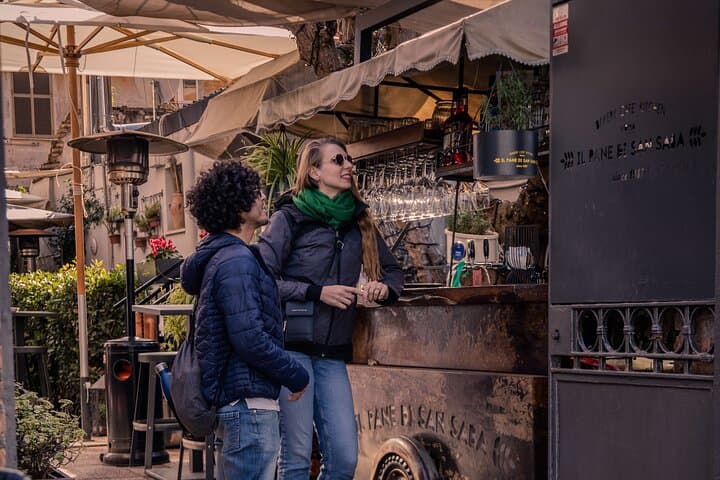
Yes—morning departures typically include street food tastings at Testaccio Market; afternoon tours include an aperitivo stop in San Saba.
The route passes sites that reveal Rome’s layers—from Republican-era forums to Renaissance reworks of civic space; Testaccio developed into a food quarter on top of an ancient pottery mound.
Ride in marked bike lanes where available, avoid littering at market stops, and support small vendors to help sustain local economies and reduce packaged-waste.
Easy Bike Rent Rome operates guided outdoor trips and adventures with an emphasis on safety, stewardship, and memorable experiences.
Morning light slips between plane trees along the Tiber as a small group assembles, helmets clicked and e-bikes humming. The guide runs a quick battery and brake check; the city opens up ahead—wide boulevards give way to narrow lanes where ancient stones meet modern scooters. Riders coast past the Circus Maximus, feel the rise toward the Aventine, and inhale citrus from the Garden of Oranges before lining up at the Keyhole of Rome for that famous framed view.
Morning light slips between plane trees along the Tiber as a small group assembles, helmets clicked and e-bikes humming. The guide runs a quick battery and brake check; the city opens up ahead—wide boulevards give way to narrow lanes where ancient stones meet modern scooters. Riders coast past the Circus Maximus, feel the rise toward the Aventine, and inhale citrus from the Garden of Oranges before lining up at the Keyhole of Rome for that famous framed view.
This route threads through Rome’s living layers: Imperial forums and Porticus Octaviae speaking to Republican and imperial civic life, Michelangelo’s reworked Capitoline façades, and Testaccio’s modern food scene built atop Monte Testaccio, an ancient hill of amphora shards. Geology here is subtle—limestone and travertine foundations quarried since antiquity—and the Tiber’s bend has shaped neighborhoods and bridges for two millennia. Culture arrives in markets and basilicas: stop at Santa Maria in Trastevere for mosaics, then sample supplì or a slice of pizza at Testaccio market.
Practically: expect roughly a relaxed 3-hour loop (about 8–12 km) with short walking sections and cobbled surfaces; elevation is modest but includes the short climb to Aventine. Cobblestones and traffic require attention—ride defensively and use bike lanes where present. Bring a small lock if you plan to step away from your bike, hydrate often, and wear closed shoes with secure soles. Morning tours favor market tastings; afternoons finish with an aperitivo. Guides handle route and logistics—riders supply awareness and a light sense of adventure.