THE ADVENTURE COLLECTIVE® · Independent discovery and booking for outdoor travel

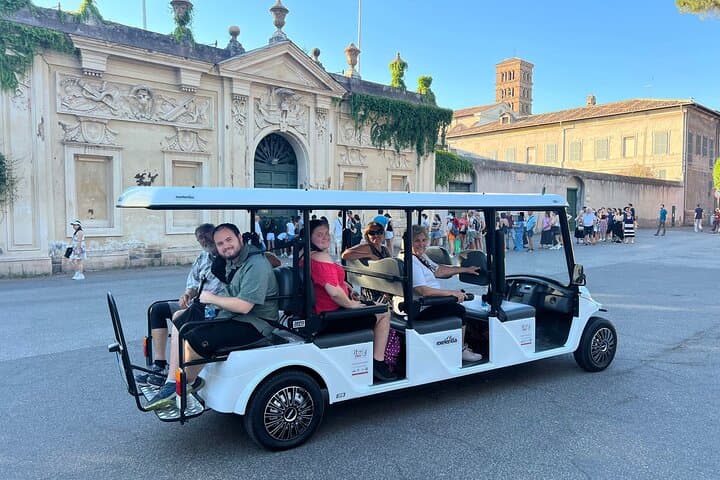
Skip the crush and see Rome’s underground and quieter squares on a six-person golf cart tour. Visit the Catacombs of St. Callixtus, glide past ancient stadiums and Baroque piazzas, and learn the city’s layered history in 2–3 hours.
Skip the crush and see Rome’s underground and quieter squares on a six-person golf cart tour. Visit the Catacombs of St. Callixtus, glide past ancient stadiums and Baroque piazzas, and learn the city’s layered history in 2–3 hours.
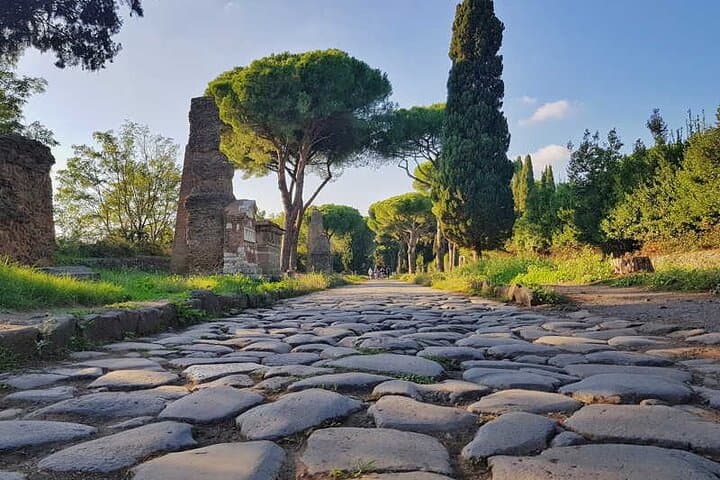
You pull up to a quiet stretch of the Appian Way, the golf cart idling as the driver-guide flips on a soft map of tunnels and piazzas in their head. The city’s stone shifts around you—sunlit cobbles above, cool, low-ceilinged tunnels below—and the rhythm of Rome folds from traffic into the hush of the catacombs.
Verified experiences and guided adventures in the surrounding area.
Operated by Rome Tours · Rome, Lazio
You pull up to a quiet stretch of the Appian Way, the golf cart idling as the driver-guide flips on a soft map of tunnels and piazzas in their head. The city’s stone shifts around you—sunlit cobbles above, cool, low-ceilinged tunnels below—and the rhythm of Rome folds from traffic into the hush of the catacombs.
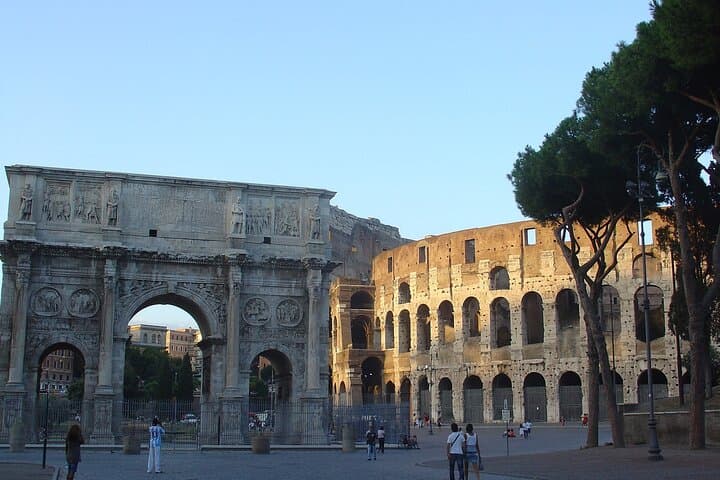
The Catacombs of St. Callixtus are the tour’s anchor: mile-long galleries carved from volcanic tuff that held early Christian burials, inscriptions and frescoes. Above ground the route threads past remnants of Rome’s civic life—the Circus Maximus’s broad sweep, the marble roundness of the Temple of Hercules Victor, and the animated cafés of Piazza Navona and the Pantheon. Geology and engineering go hand in hand here: travertine, tuff and marble tell the story of building materials that shaped the empire.
Culturally this trip reads like a compact primer on Rome’s layered identity—ancient ritual spaces, Christian memory, and Baroque public life—delivered with the nimble logistics of a six-person golf cart that slips into alleys larger vehicles can’t.
Practical guidance: expect 2–3 hours with around 30–60 minutes underground; temperatures drop noticeably in the catacombs so bring a light layer. Tours are accessible to most fitness levels but involve short walks and some low ceilings. Travel light, carry identification for entry, and follow the guide’s conservation rules—no touching frescoes, stay on paths. Morning slots avoid the hottest hours at surface stops and deliver cleaner light for photography.
easy.
2–3 hours.
Suitable for most fitness levels; mostly seated with brief, low-ceilinged walks underground and short standing periods.
Yes—entry to the Catacombs of St. Callixtus is included as stated in the itinerary; the guide covers admission and logistics.
The operator notes the tour isn't suitable for babies/children in strollers due to narrow underground passages and low ceilings—check age restrictions when booking.
Yes—guides may substitute another catacomb or nearby site if closures occur; the small-group format makes routing flexible.
It’s rated easy—most of the experience is seated in the golf cart with short, flat walks and some stooping in tunnels.
The catacombs grew from 2nd–4th century burial practices; above ground, sites like the Pantheon and Circus Maximus map Rome’s civic and religious evolution across millennia.
Underground frescoes and tombs are fragile—follow guide instructions, avoid touching surfaces, and choose licensed operators who contribute to site preservation.
Rome Tours operates guided outdoor trips and adventures with an emphasis on safety, stewardship, and memorable experiences.

You pull up to a quiet stretch of the Appian Way, the golf cart idling as the driver-guide flips on a soft map of tunnels and piazzas in their head. The city’s stone shifts around you—sunlit cobbles above, cool, low-ceilinged tunnels below—and the rhythm of Rome folds from traffic into the hush of the catacombs.
You pull up to a quiet stretch of the Appian Way, the golf cart idling as the driver-guide flips on a soft map of tunnels and piazzas in their head. The city’s stone shifts around you—sunlit cobbles above, cool, low-ceilinged tunnels below—and the rhythm of Rome folds from traffic into the hush of the catacombs.
The Catacombs of St. Callixtus are the tour’s anchor: mile-long galleries carved from volcanic tuff that held early Christian burials, inscriptions and frescoes. Above ground the route threads past remnants of Rome’s civic life—the Circus Maximus’s broad sweep, the marble roundness of the Temple of Hercules Victor, and the animated cafés of Piazza Navona and the Pantheon. Geology and engineering go hand in hand here: travertine, tuff and marble tell the story of building materials that shaped the empire.
Culturally this trip reads like a compact primer on Rome’s layered identity—ancient ritual spaces, Christian memory, and Baroque public life—delivered with the nimble logistics of a six-person golf cart that slips into alleys larger vehicles can’t.
Practical guidance: expect 2–3 hours with around 30–60 minutes underground; temperatures drop noticeably in the catacombs so bring a light layer. Tours are accessible to most fitness levels but involve short walks and some low ceilings. Travel light, carry identification for entry, and follow the guide’s conservation rules—no touching frescoes, stay on paths. Morning slots avoid the hottest hours at surface stops and deliver cleaner light for photography.