THE ADVENTURE COLLECTIVE® · Independent discovery and booking for outdoor travel

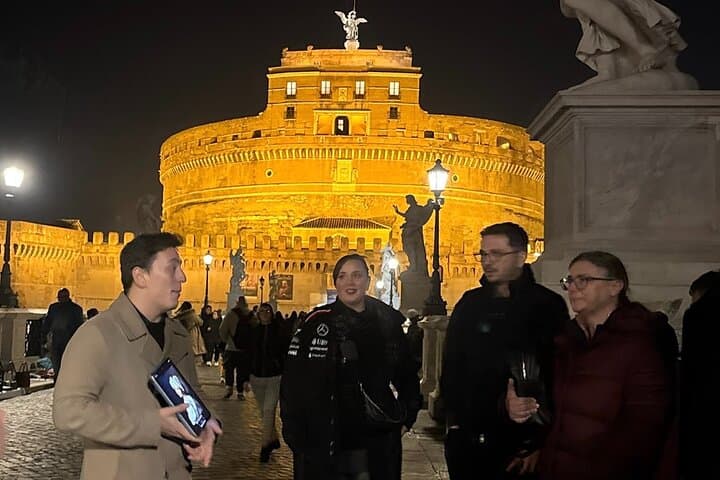
Explore Rome’s shadowed streets on a 90-minute night walking tour that pairs history with spine-tingling local legends. Visit Sant’Andrea della Valle, Campo de’ Fiori, Ponte Sisto and end beneath the illuminated Castel Sant’Angelo.
Explore Rome’s shadowed streets on a 90-minute night walking tour that pairs history with spine-tingling local legends. Visit Sant’Andrea della Valle, Campo de’ Fiori, Ponte Sisto and end beneath the illuminated Castel Sant’Angelo.
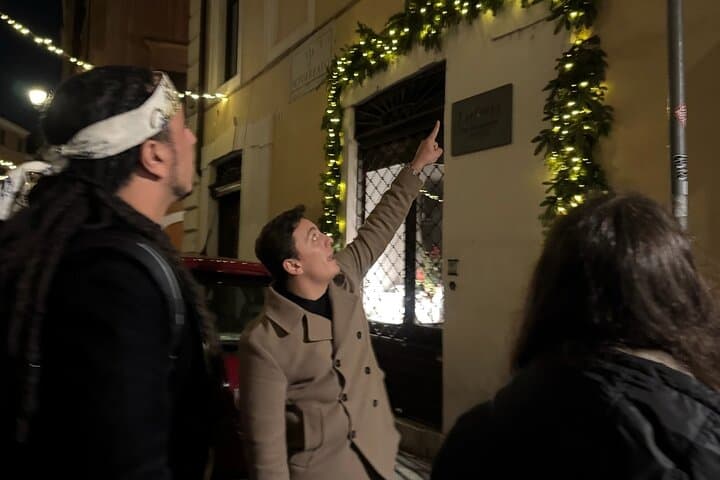
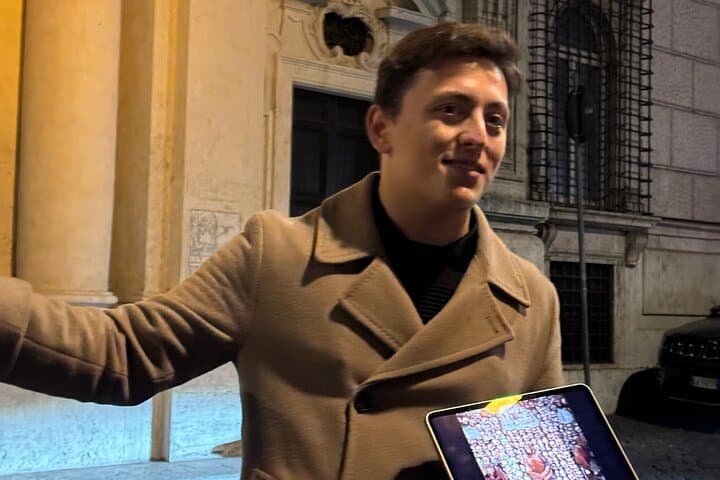
Streetlights pool gold on ancient stones as you meet in front of Sant’Andrea della Valle and step into the cooler breath of Rome at night. The Tiber dares you to listen closer; bridges and alleys take on different meanings after sunset, and the city’s masonry seems to remember the people who passed these routes centuries before.
Verified experiences and guided adventures in the surrounding area.
Operated by SEMIH · Rome, Lazio
Streetlights pool gold on ancient stones as you meet in front of Sant’Andrea della Valle and step into the cooler breath of Rome at night. The Tiber dares you to listen closer; bridges and alleys take on different meanings after sunset, and the city’s masonry seems to remember the people who passed these routes centuries before.
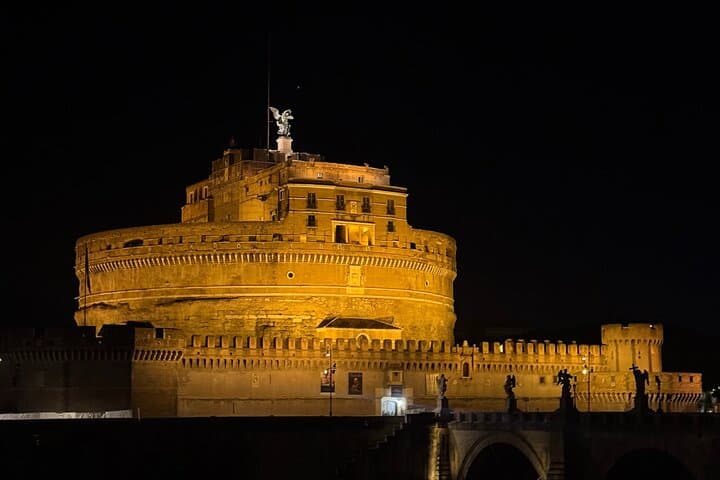
This 90-minute stroll threads through layers of history — Baroque façades, Renaissance palazzi, and the hulking curve of Castel Sant’Angelo, once Hadrian’s mausoleum and later a papal refuge. Stories here mix fact and folklore: Campo de’ Fiori’s market square was a stage for public executions, Ponte Sisto carries whispered river legends, and local oral traditions keep alive tales of witches and abandoned souls.
Culturally, the walk reveals how Romans reconcile civic life with superstition; nighttime rituals, patron saints, and protective iconography appear in unexpected corners. Geology is understated but present — travertine and tufa underfoot, the Tiber’s slow pulse shaping the riverbanks over millennia.
Practical guidance: expect 90 minutes of paved walking with occasional cobbles and narrow lanes. Bring comfortable shoes and a light jacket; nights can be breezy along the river. Tours move at an easy pace but include short stops for storytelling. Public transport access and stroller-friendly segments make this accessible, though low lighting means a small flashlight helps. Keep voices measured in residential areas and respect cultural sites when stopping outside churches and monuments.
easy.
1.5 hours (90 minutes).
Able to walk on paved and cobbled streets for 90 minutes with brief stops; suitable for most fitness levels.
The tour lasts about 90 minutes and covers roughly 1.5–2 km of mostly flat, paved and cobbled streets with several short stops for storytelling.
Yes—portions are stroller-accessible, but cobbles and steps may be challenging in places; consider a lightweight stroller and a confident adult to manage uneven ground.
No—this is a walking storytelling tour that stops outside major landmarks; admissions to museums are not included.
Check the tour provider’s policy, but Rome’s evening tours may run in light rain; bring a compact umbrella and waterproof layer—cancellations for heavy weather vary by operator.
Castel Sant’Angelo began as Emperor Hadrian’s mausoleum (2nd century AD) and later served as a papal fortress and prison, illustrating Rome’s layered reuse of ancient structures.
Respect Rome’s historic fabric by staying on walkways, avoiding climbing on monuments, and keeping noise low in residential areas to minimize disturbance.
SEMIH operates guided outdoor trips and adventures with an emphasis on safety, stewardship, and memorable experiences.
Streetlights pool gold on ancient stones as you meet in front of Sant’Andrea della Valle and step into the cooler breath of Rome at night. The Tiber dares you to listen closer; bridges and alleys take on different meanings after sunset, and the city’s masonry seems to remember the people who passed these routes centuries before.
Streetlights pool gold on ancient stones as you meet in front of Sant’Andrea della Valle and step into the cooler breath of Rome at night. The Tiber dares you to listen closer; bridges and alleys take on different meanings after sunset, and the city’s masonry seems to remember the people who passed these routes centuries before.
This 90-minute stroll threads through layers of history — Baroque façades, Renaissance palazzi, and the hulking curve of Castel Sant’Angelo, once Hadrian’s mausoleum and later a papal refuge. Stories here mix fact and folklore: Campo de’ Fiori’s market square was a stage for public executions, Ponte Sisto carries whispered river legends, and local oral traditions keep alive tales of witches and abandoned souls.
Culturally, the walk reveals how Romans reconcile civic life with superstition; nighttime rituals, patron saints, and protective iconography appear in unexpected corners. Geology is understated but present — travertine and tufa underfoot, the Tiber’s slow pulse shaping the riverbanks over millennia.
Practical guidance: expect 90 minutes of paved walking with occasional cobbles and narrow lanes. Bring comfortable shoes and a light jacket; nights can be breezy along the river. Tours move at an easy pace but include short stops for storytelling. Public transport access and stroller-friendly segments make this accessible, though low lighting means a small flashlight helps. Keep voices measured in residential areas and respect cultural sites when stopping outside churches and monuments.