THE ADVENTURE COLLECTIVE® · Independent discovery and booking for outdoor travel

Pair a visit to the Capuchin Crypts with a night-time walk through Rome’s darker legends. This combo tour blends curated bone displays with haunted streets and historical storytelling.
Pair a visit to the Capuchin Crypts with a night-time walk through Rome’s darker legends. This combo tour blends curated bone displays with haunted streets and historical storytelling.
A hush falls over Via Vittorio Veneto as your guide gathers the group beneath a shopfront sign; the city’s lights push back the dusk while the promise of bones and old stories pulls you forward.
Verified experiences and guided adventures in the surrounding area.
Operated by Dark Side City Tours · Rome, Lazio
A hush falls over Via Vittorio Veneto as your guide gathers the group beneath a shopfront sign; the city’s lights push back the dusk while the promise of bones and old stories pulls you forward.
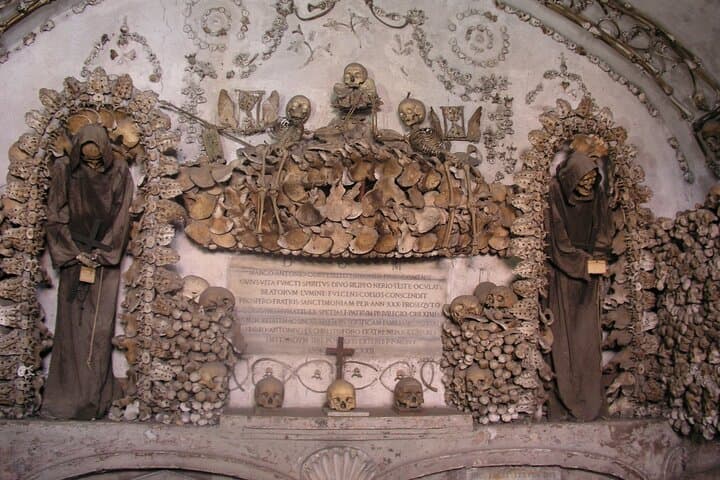
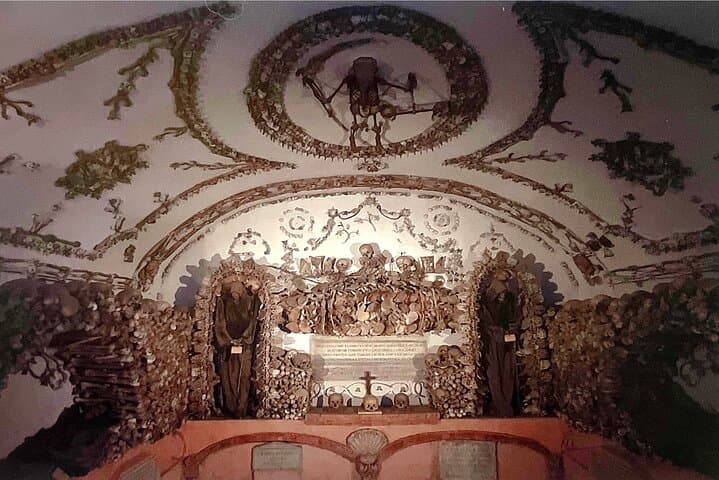
The first hour moves through the Capuchin Crypts, an intimate museum of human remains arranged by Capuchin friars in the 17th century. The air is cool, the stone floors worn by centuries of visitors; skulls and femurs are displayed with deliberate symbolism that speaks to mortality and faith rather than shock. From there the route threads into Rome’s center — Trevi, the Pantheon, Piazza Navona — but with a different map: one of executions, secret trials, wartime tragedies and whispered apparitions.
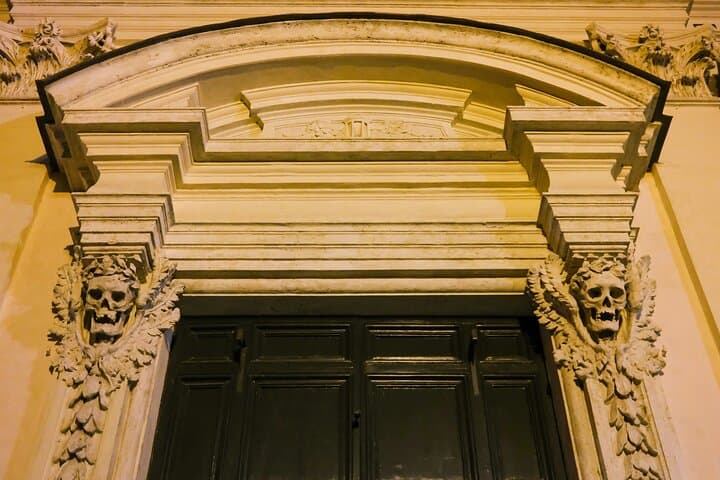
Geology and architecture here are up close: travertine facades, marble fountains, and narrow alleys that have funneled foot traffic for two millennia. Cultural context matters — stories about Giordano Bruno, a supposed female pope, and poisoned aristocrats are part history, part local lore, and guides separate fact from flourish.
Practically, expect moderate walking on cobbles and steps, low interior light in the crypts, and a strict dress code for the chapel (shoulders and knees covered). Tours last about four hours total and can be taken the same night or split between evenings. Carry a small flashlight for side streets, wear sturdy shoes, and bring a charged phone for your mobile ticket. Above all, move respectfully: these are active religious and heritage sites where quiet attention preserves the experience for everyone.
easy.
4 hours.
Suitable for most fitness levels; requires walking on cobbles and stairs for prolonged periods
Photography is typically restricted or discouraged inside the crypts to respect the space and preservation; follow your guide’s instructions.
Yes — the operator offers the option to take both consecutive tours with a one-hour break, or on separate evenings; confirm your preference after booking.
The tour is described as suitable for all fitness levels but involves stairs and narrow spaces; contact the operator in advance for accessibility accommodations.
Shoulders and knees must be covered for entry to the Capuchin chapel; cover-ups are available to borrow or buy on site for a small fee.
The Capuchin Crypts were arranged by Capuchin friars from the 16th–17th centuries as memento mori displays; many dark-centre tales reference real events from Rome’s long judicial and political history.
Visitors are asked to remain on designated paths, avoid flash photography in sensitive interiors, and respect religious spaces to minimize wear and light damage.
Dark Side City Tours operates guided outdoor trips and adventures with an emphasis on safety, stewardship, and memorable experiences.
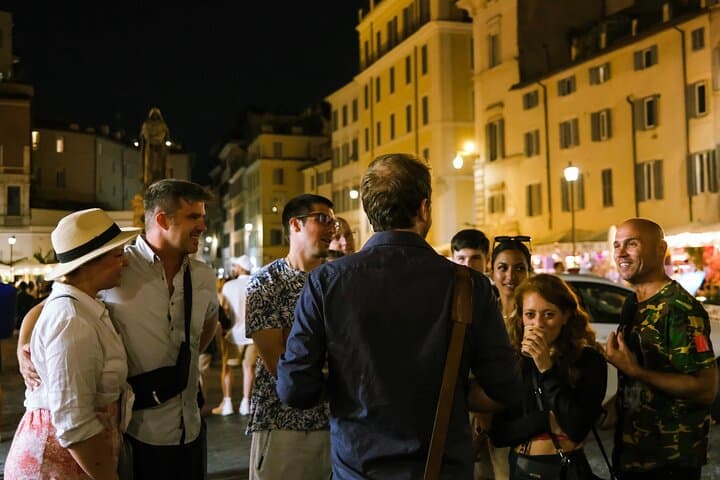
A hush falls over Via Vittorio Veneto as your guide gathers the group beneath a shopfront sign; the city’s lights push back the dusk while the promise of bones and old stories pulls you forward.
A hush falls over Via Vittorio Veneto as your guide gathers the group beneath a shopfront sign; the city’s lights push back the dusk while the promise of bones and old stories pulls you forward.
The first hour moves through the Capuchin Crypts, an intimate museum of human remains arranged by Capuchin friars in the 17th century. The air is cool, the stone floors worn by centuries of visitors; skulls and femurs are displayed with deliberate symbolism that speaks to mortality and faith rather than shock. From there the route threads into Rome’s center — Trevi, the Pantheon, Piazza Navona — but with a different map: one of executions, secret trials, wartime tragedies and whispered apparitions.
Geology and architecture here are up close: travertine facades, marble fountains, and narrow alleys that have funneled foot traffic for two millennia. Cultural context matters — stories about Giordano Bruno, a supposed female pope, and poisoned aristocrats are part history, part local lore, and guides separate fact from flourish.
Practically, expect moderate walking on cobbles and steps, low interior light in the crypts, and a strict dress code for the chapel (shoulders and knees covered). Tours last about four hours total and can be taken the same night or split between evenings. Carry a small flashlight for side streets, wear sturdy shoes, and bring a charged phone for your mobile ticket. Above all, move respectfully: these are active religious and heritage sites where quiet attention preserves the experience for everyone.