THE ADVENTURE COLLECTIVE® · Independent discovery and booking for outdoor travel

A two-hour guided stroll through Howrah’s riverfront, heritage sites, and parks—ideal for couples seeking historic backstreets and quiet photo spots. Learn local love stories, visit Eco Park for green escapes, and finish with sunset views along the Hooghly.
A two-hour guided stroll through Howrah’s riverfront, heritage sites, and parks—ideal for couples seeking historic backstreets and quiet photo spots. Learn local love stories, visit Eco Park for green escapes, and finish with sunset views along the Hooghly.
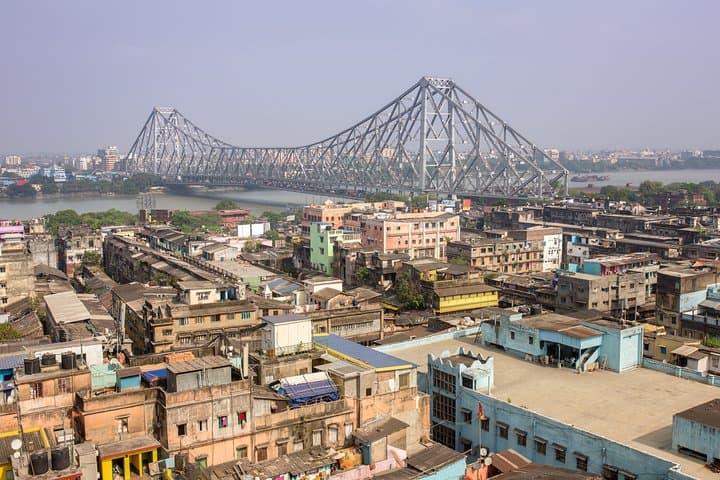
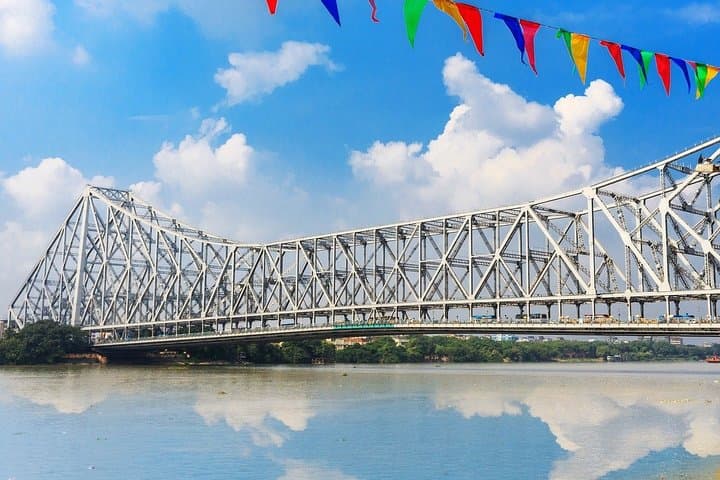
You step off the ferry with the Hooghly tugging at the quay, the bridge above humming like a living thing. Two hours in Howrah compresses centuries into a slow stroll—metal girders, park benches, and mango trees all taking turns to hold your attention.
Verified experiences and guided adventures in the surrounding area.
Operated by Opatrip.com India · Howrah, West Bengal
You step off the ferry with the Hooghly tugging at the quay, the bridge above humming like a living thing. Two hours in Howrah compresses centuries into a slow stroll—metal girders, park benches, and mango trees all taking turns to hold your attention.
Howrah grew as a transport hub during the British colonial period; the iron of Howrah Bridge and the busy rail yards tell that history plainly. Geologically the area sits on the low, alluvial Gangetic plain, so the walk stays flat and forgiving while the river shapes the skyline. Bengali culture shows up in shopfronts, street food, and whispered local love stories tied to landmarks. For nature-minded couples, Eco Park (a short drive from central Howrah) offers designed wetlands and themed gardens that contrast with the raw riverfront.
Expect about 2–3 miles (3–5 km) of walking with minimal elevation gain—flat pavements, park paths, and a few steps by ghats. The pace is stop-and-savor: photograph the bridge from unusual angles, listen for kingfishers at the water’s edge, and let a local guide unfold the folklore that pins romantic meaning to otherwise ordinary corners.
Practical guidance: wear comfortable walking shoes, carry water and a light layer for river breezes, and plan for early evening light if you want dramatic photos. Public transit and ferries connect Howrah to Kolkata easily; traffic can slow returns, so allow extra time. Respect shrine spaces and local customs, and keep plastics to a minimum to protect river ecology.
easy.
2 hours.
Light walking; suitable for most fitness levels; able to stand and walk gently for two hours.
The tour runs about two hours and covers roughly 3–5 km of mostly flat walking with stops for photos and stories.
The route is low-impact and generally accessible, but some pavements and river ghats may be uneven—notify the operator about mobility needs before booking.
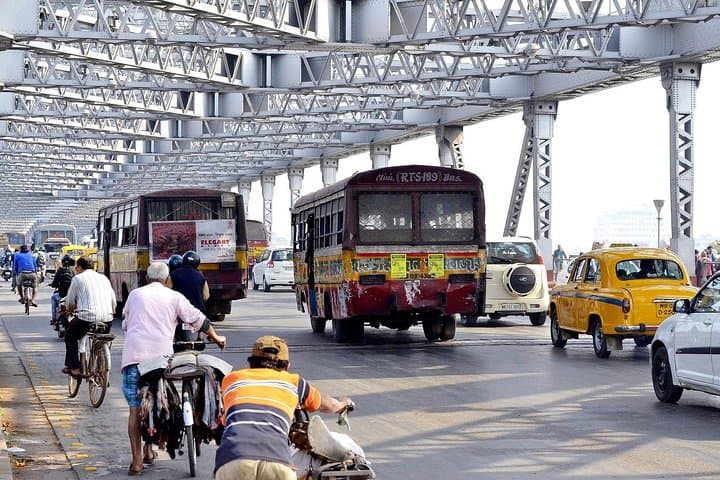
Howrah is directly connected by suburban trains, buses, taxis and frequent ferries across the Hooghly—plan extra time for peak traffic.
The tour includes guide services only; bring water and plan to try street snacks or cafés independently at stops.
Howrah developed as a colonial-era transport node and rail hub; the ironwork of Howrah Bridge and adjacent docks reflect its industrial past.
The Hooghly faces pollution and erosion pressures—avoid single-use plastics, stick to marked paths, and follow local Eco Park rules to minimize impact.
Opatrip.com India operates guided outdoor trips and adventures with an emphasis on safety, stewardship, and memorable experiences.
You step off the ferry with the Hooghly tugging at the quay, the bridge above humming like a living thing. Two hours in Howrah compresses centuries into a slow stroll—metal girders, park benches, and mango trees all taking turns to hold your attention.
You step off the ferry with the Hooghly tugging at the quay, the bridge above humming like a living thing. Two hours in Howrah compresses centuries into a slow stroll—metal girders, park benches, and mango trees all taking turns to hold your attention.
Howrah grew as a transport hub during the British colonial period; the iron of Howrah Bridge and the busy rail yards tell that history plainly. Geologically the area sits on the low, alluvial Gangetic plain, so the walk stays flat and forgiving while the river shapes the skyline. Bengali culture shows up in shopfronts, street food, and whispered local love stories tied to landmarks. For nature-minded couples, Eco Park (a short drive from central Howrah) offers designed wetlands and themed gardens that contrast with the raw riverfront.
Expect about 2–3 miles (3–5 km) of walking with minimal elevation gain—flat pavements, park paths, and a few steps by ghats. The pace is stop-and-savor: photograph the bridge from unusual angles, listen for kingfishers at the water’s edge, and let a local guide unfold the folklore that pins romantic meaning to otherwise ordinary corners.
Practical guidance: wear comfortable walking shoes, carry water and a light layer for river breezes, and plan for early evening light if you want dramatic photos. Public transit and ferries connect Howrah to Kolkata easily; traffic can slow returns, so allow extra time. Respect shrine spaces and local customs, and keep plastics to a minimum to protect river ecology.