THE ADVENTURE COLLECTIVE® · Independent discovery and booking for outdoor travel

A private two-hour walking tour through Mbuji-Mayi (Bakwanga) that pairs riverside moments on the Sankuru with historic streets, local love stories, and market-side photo stops. Ideal for couples and those seeking a compact cultural stroll.
A private two-hour walking tour through Mbuji-Mayi (Bakwanga) that pairs riverside moments on the Sankuru with historic streets, local love stories, and market-side photo stops. Ideal for couples and those seeking a compact cultural stroll.
Walk past low-rise colonial facades as late-afternoon light warms the ochre streets of Mbuji-Mayi, and you’ll feel the city shift from market rhythm to quiet possibility.
Verified experiences and guided adventures in the surrounding area.
Operated by Opatrip.com Congo · Mbuji-Mayi, Kasaï-Oriental
Walk past low-rise colonial facades as late-afternoon light warms the ochre streets of Mbuji-Mayi, and you’ll feel the city shift from market rhythm to quiet possibility.
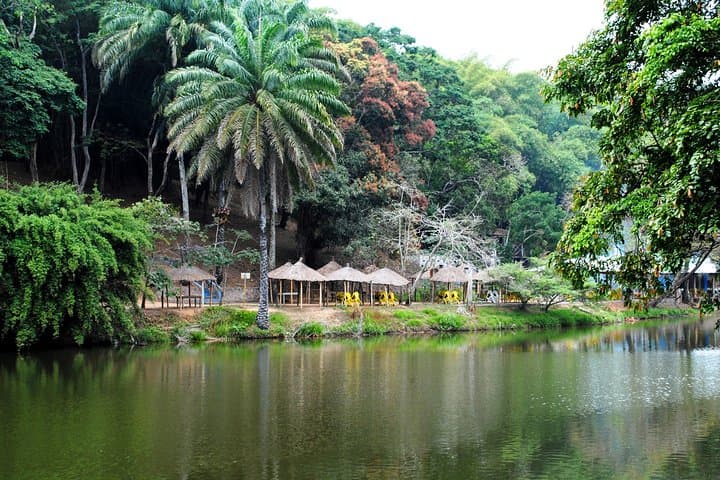
This two-hour private walking tour threads through Bakwanga’s best spots for couples: leafy parks, a riverside stretch on the Sankuru that seems to dare you to linger, and corners where old love stories—tragic, comic, and spicy—still surface in conversation. Mbuji-Mayi sits in Luba country and grew into global significance through diamond trade; that history shapes façades, markets and local livelihoods you’ll encounter on the route.
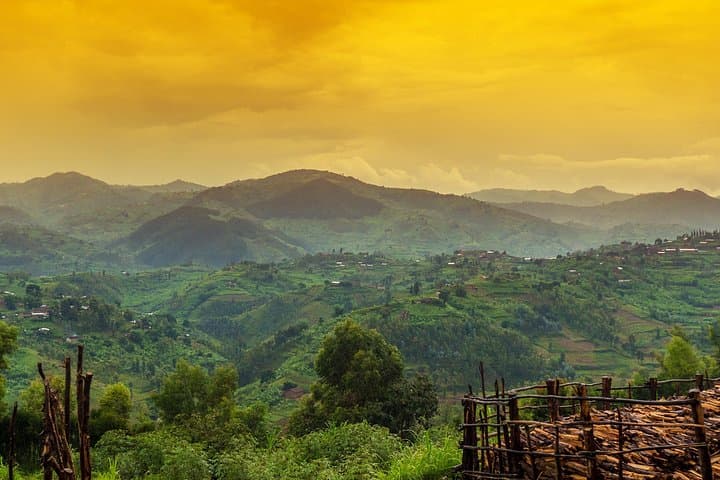
Geology and economy meet in the air here: the surrounding plains have yielded the kimberlite and alluvial deposits that fed the region’s diamond boom, while the Sankuru River feeds the city’s quieter edges. Expect a city that’s practical and proud—markets selling craftwork and small cafés where locals debate football and politics.
Practical guidance: the tour is low-impact walking—firm shoes, a light jacket in the rainy season, and a charged phone for photos are enough. Aim for late afternoon for softer light and cooler temperatures; if you prefer privacy, book outside peak market hours. Bring small cash for local vendors and, if you’re visiting around February, expect themed Valentine’s activity and local decorations.
Respect local customs—ask before photographing people—and leave no trace in parks and riverbanks. This is a city tour with a nature edge: the Sankuru’s current frames the walk, nudging you forward while the streets unfold the human stories behind the diamonds.
easy.
2 hours.
Suitable for most activity levels; involves standing and walking on paved and uneven sidewalks.
The experience lasts approximately two hours and is a private walking tour focused on romantic and scenic sites in the city center.
No—this is an easy tour suitable for most fitness levels; expect moderate walking on paved or compacted surfaces.
Yes; the route passes local markets and small vendors where you can purchase snacks and crafts with local currency.
Yes, the tour runs year-round, though afternoons during the rainy season can include short showers—bring a light rain jacket.
Mbuji-Mayi (Bakwanga) is in Luba country and rose to prominence through diamond mining and trade, which shaped its economy and urban growth.
Diamond production has environmental impacts here; support local businesses, avoid disturbing riverbanks, and follow guides’ advice to reduce your footprint.
Opatrip.com Congo operates guided outdoor trips and adventures with an emphasis on safety, stewardship, and memorable experiences.

Walk past low-rise colonial facades as late-afternoon light warms the ochre streets of Mbuji-Mayi, and you’ll feel the city shift from market rhythm to quiet possibility.
Walk past low-rise colonial facades as late-afternoon light warms the ochre streets of Mbuji-Mayi, and you’ll feel the city shift from market rhythm to quiet possibility.
This two-hour private walking tour threads through Bakwanga’s best spots for couples: leafy parks, a riverside stretch on the Sankuru that seems to dare you to linger, and corners where old love stories—tragic, comic, and spicy—still surface in conversation. Mbuji-Mayi sits in Luba country and grew into global significance through diamond trade; that history shapes façades, markets and local livelihoods you’ll encounter on the route.
Geology and economy meet in the air here: the surrounding plains have yielded the kimberlite and alluvial deposits that fed the region’s diamond boom, while the Sankuru River feeds the city’s quieter edges. Expect a city that’s practical and proud—markets selling craftwork and small cafés where locals debate football and politics.
Practical guidance: the tour is low-impact walking—firm shoes, a light jacket in the rainy season, and a charged phone for photos are enough. Aim for late afternoon for softer light and cooler temperatures; if you prefer privacy, book outside peak market hours. Bring small cash for local vendors and, if you’re visiting around February, expect themed Valentine’s activity and local decorations.
Respect local customs—ask before photographing people—and leave no trace in parks and riverbanks. This is a city tour with a nature edge: the Sankuru’s current frames the walk, nudging you forward while the streets unfold the human stories behind the diamonds.